
US FCC Considers Banning Chinese-Made Optical Transceivers for AI Data Centers
The U.S. Federal Communications Commission is reportedly considering expanding its Covered List to include new models of Chinese-made optical transceivers, potentially impacting AI data center interconnects.
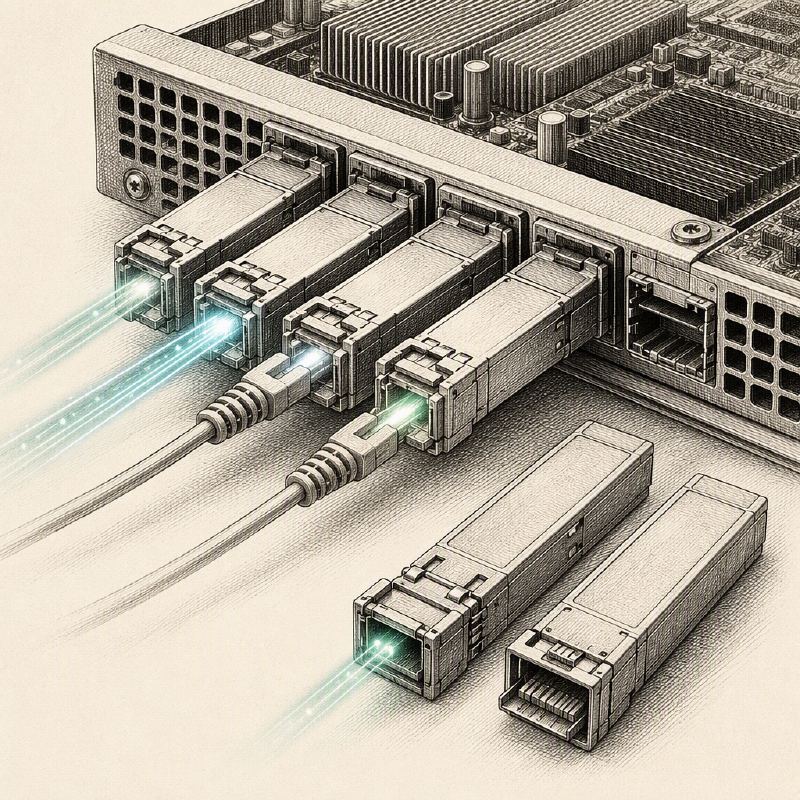
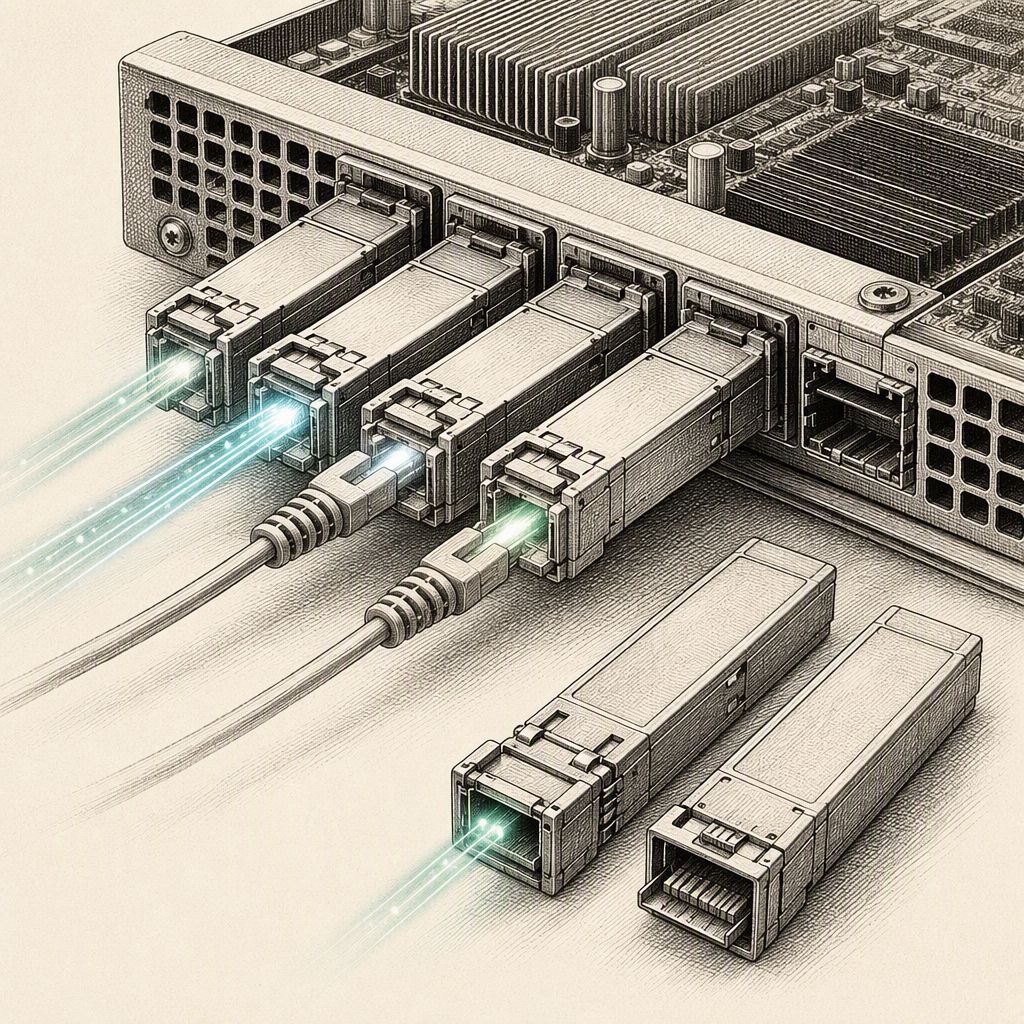
The U.S. Federal Communications Commission (FCC) is reportedly contemplating a significant expansion of its supply-chain security measures, which could lead to a ban on new models of Chinese-made optical transceivers entering the U.S. market. These optical transceivers are critical components used to transmit data between servers within the rapidly growing artificial intelligence (AI) data centers.
The potential restriction, as reported by Reuters, would involve adding these modules to the FCC's existing Covered List. This list currently targets equipment deemed a threat to national security. While no official draft text or formal proceeding has been announced by the FCC, the move signals a proactive stance on securing the supply chain for AI infrastructure, a sector experiencing exponential growth and demand.
Chinese manufacturers dominate the global contract manufacturing capacity for optical modules. Major suppliers serving the North American market, such as Innolight, Eoptolink, and Cambridge Industries Group, collectively represent a substantial portion of this global capacity. The FCC's potential action raises questions about how it will define 'new models' and what criteria will be used to determine a manufacturer's 'Chinese' origin—whether based on company nationality, its presence on the Covered List, or the physical location of its manufacturing facilities. Importers are also awaiting clarity on whether any transition period will be provided.
While the FCC has not publicly issued a specific threat determination related to optical transceivers, Chairman Brendan Carr has previously warned about potential loopholes. He highlighted that the agency's rules had not previously applied to component parts of devices, suggesting that this gap could be exploited by malicious actors. This concern was further underscored by a July 23 directive that prohibits the authorization of logic-bearing hardware components produced by entities already on the Covered List.
Optical transceivers contain microcontrollers, nonvolatile memory, and firmware that communicate diagnostic information back to the host switch. This places them squarely within the category of logic-bearing components, making them subject to the FCC's evolving authorization requirements. The agency has been actively rebuilding its equipment authorization pipeline over the past year, implementing rules that bar test labs controlled by foreign adversary governments and initiating proceedings to withdraw recognition from Chinese government-controlled labs.
This potential move aligns with broader U.S. efforts to scrutinize and restrict Chinese technology. The FCC recently voted to advance a proposal that would bar China Mobile, China Telecom, and China Unicom from operating data centers and facilities in the U.S. and prohibit U.S. carriers from interconnecting with facilities owned by Covered List entities. The inclusion of optical transceivers would extend these concerns directly into the hardware powering AI computations.
Critics argue that vulnerabilities are often a result of poor patching practices and the use of end-of-life equipment, rather than solely the geographic origin of the manufacturer. However, the FCC's actions suggest a belief that supply chain security, particularly concerning components from potential adversaries, is a critical layer of defense. The House Select Committee on the Chinese Communist Party has also reported that certain Chinese state-owned telecommunications companies have retained U.S. infrastructure long after their service authorizations were denied or revoked, adding to the backdrop of national security concerns.
If enacted, this proposed ban would represent a significant escalation in the FCC's efforts to secure U.S. networks and critical infrastructure by targeting components deeply embedded within the hardware powering next-generation technologies like AI. The deliberation process will be closely watched by the tech industry, particularly those reliant on the global supply chain for AI hardware.