
US Election Security Faces Dual Threats from Unpatched Voting Machines and AI-Driven Disinformation
US elections are vulnerable to manipulation due to outdated voting machine software and the growing threat of AI-powered influence campaigns, cybersecurity experts warn.
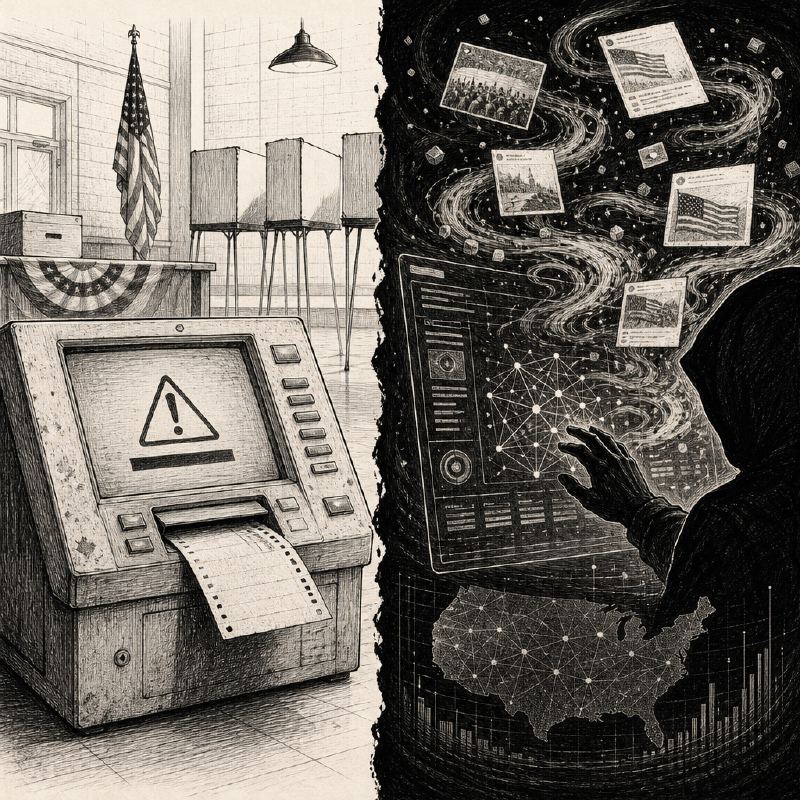
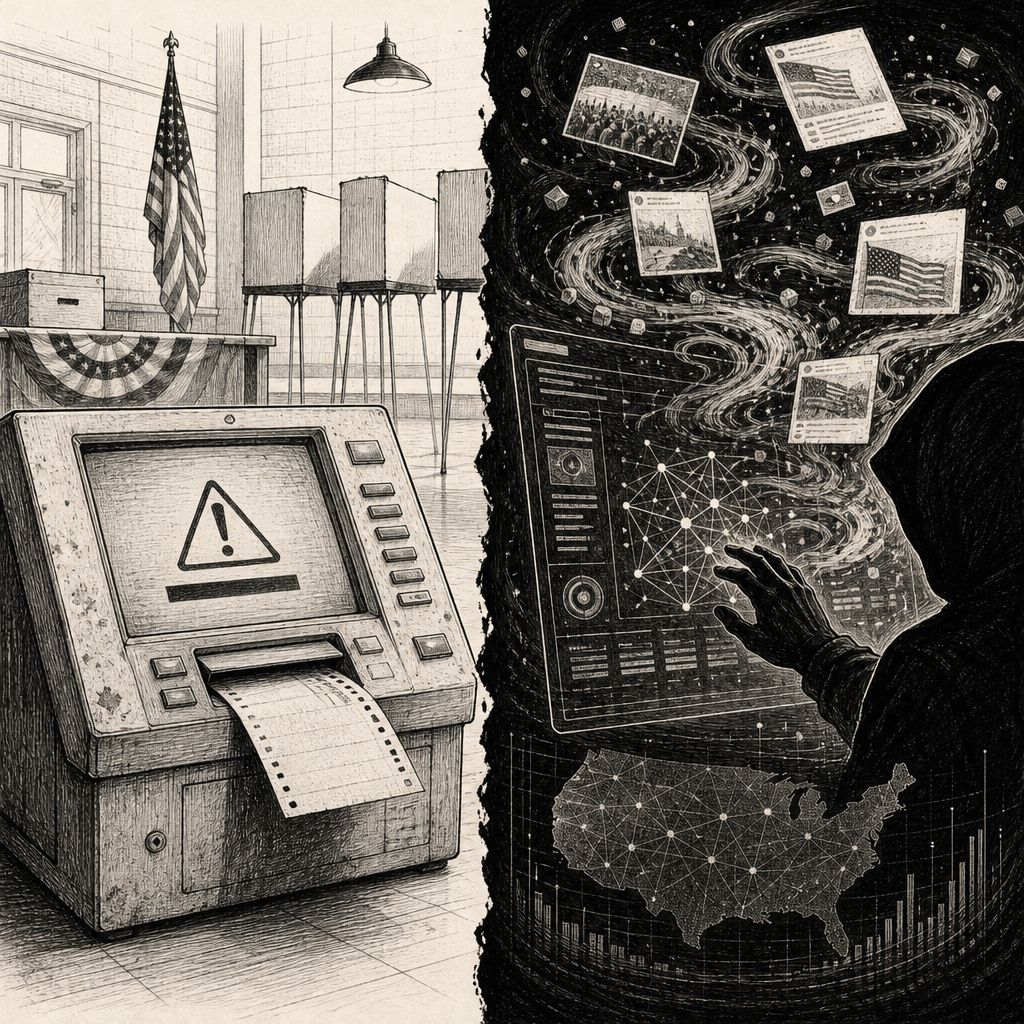
The integrity of the United States' electoral process is under increasing scrutiny, facing a dual threat from aging, unpatched voting machines and sophisticated, AI-driven disinformation campaigns. While traditional cybersecurity concerns like voter registration accuracy and differing state ID requirements remain, this analysis focuses on the direct cybersecurity implications for voting and counting.
At the heart of the issue are the voting machines themselves. These machines, certified by the Election Assistance Commission (EAC), are theoretically air-gapped for security. However, the certification process can take up to two years, meaning machines may be deployed with software that is already outdated and unpatched for a significant portion of their operational life. This lag is a critical vulnerability, as software requires continuous updates and patching, a stark contrast to the commercial world's monthly patch cycles.
Furthermore, the physical security of these machines is not absolute. Voting machines are often brought to public testing labs like the "Voting Village" at DEF CON, where hands-on access has repeatedly led to successful hacking. The possibility exists that a machine used in an election could be one that has previously been compromised, or that a hacker could introduce malicious tools via a USB stick, potentially affecting every subsequent voter at that machine.
The counting process adds another layer of complexity. While voters can visually check their paper ballots, the data is ultimately scanned and tallied by machines using barcodes or QR codes. This process is often a "black box," relying on software certified potentially years prior and left unpatched, leaving little room for voter verification of the counted data.
Beyond the physical machines, the threat landscape is expanding with the rise of AI. Foreign adversaries and malicious actors are believed to be leveraging AI to conduct influence campaigns aimed at undermining confidence in democratic institutions. Given the highly partisan nature of the US electorate, even small shifts in public perception or trust can have significant consequences on election outcomes.
While hard proof of foreign influence campaigns is difficult to obtain, the potential for AI to amplify these efforts is a serious concern. AI can be used to generate highly convincing fake content, including deepfake videos and audio, and to tailor disinformation at scale to specific demographics, making it harder than ever for voters to discern truth from falsehood.
Experts like Shai Bargil, co-founder and CEO at Sequent, express significant doubt about the current certification and patching practices for voting machines, calling the EAC certification "pretty much meaningless" in its current form. The combination of aging, potentially compromised hardware and AI-powered disinformation presents a formidable challenge to ensuring secure and trustworthy elections.
Addressing these vulnerabilities requires a multi-faceted approach, including more frequent and robust security testing of voting machines, faster patching cycles, and enhanced defenses against AI-driven influence operations. The future integrity of US elections may depend on how effectively these evolving threats are met.