
US Citizen Prosecuted for Using GrapheneOS 'Wipe' Feature at Border
A US citizen faces prosecution for activating a security feature on his GrapheneOS-enabled phone that wiped its data when border officials attempted to access it.
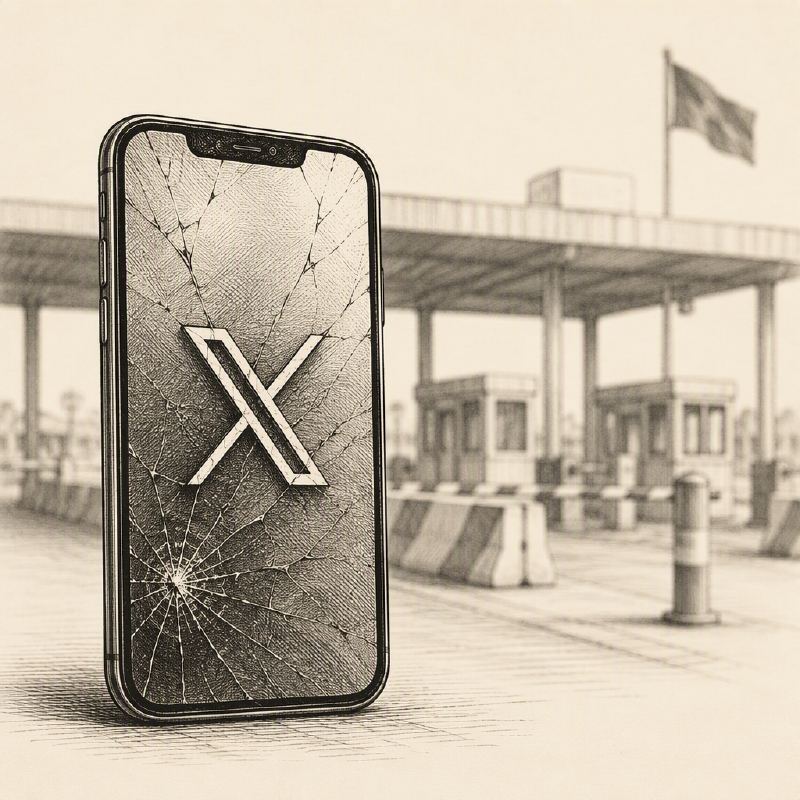

A U.S. citizen is facing legal repercussions after utilizing a security feature on his custom Android phone that resulted in the complete erasure of its data when confronted by border officials. The individual, identified as Tunick, was reportedly using a device equipped with GrapheneOS, a privacy-focused Android variant known for its enhanced security measures.
The core of the legal dispute lies in a specific GrapheneOS functionality that allows users to set a dedicated passcode. When this particular passcode is entered instead of the standard unlock code, the operating system is designed to trigger an immediate and irreversible wipe of all data on the device. This feature is intended as a last resort to protect sensitive information from unauthorized access, particularly in scenarios where a user might be coerced into revealing their unlock credentials.
Tunick's attorneys have confirmed that GrapheneOS was indeed running on his phone at the time of the incident. The prosecution raises significant constitutional questions regarding an individual's rights when crossing U.S. borders. Historically, the U.S. government has asserted that border areas are not considered U.S. soil in the same way as the interior, leading to a different set of legal expectations and protections for travelers.
Developers of GrapheneOS have publicly stated that the 'wipe' feature is entirely legal and that they have no obligation to weaken the security protections offered by their operating system. They assert that creating and using GrapheneOS is strongly protected by the U.S. Constitution, and any laws attempting to criminalize its use or mandate the weakening of its security would be deemed unconstitutional.
This case highlights a growing tension between national security interests, particularly at borders, and the fundamental right to privacy and data security. As digital devices become repositories for vast amounts of personal and sensitive information, the methods individuals employ to protect that data are increasingly coming under scrutiny.
The legal proceedings against Tunick will likely explore the boundaries of search and seizure laws as they apply to digital devices at the border, and whether activating a pre-configured security feature constitutes a criminal act. The outcome could set a precedent for how such technologies and border search policies interact in the future, potentially impacting the rights of travelers and the development of secure mobile operating systems.
This incident underscores the evolving landscape of digital privacy and security in the face of governmental access demands. It also brings to the forefront the capabilities of specialized operating systems like GrapheneOS, which offer advanced security features that can clash with traditional law enforcement procedures.