
US Air Force Pilots Used Malware-Laden USB Drives for Mission Planning in Afghanistan
A former Air Force CISO revealed that pilots in Afghanistan used commercially purchased USB drives for classified mission data, creating significant security risks that predated the 2008 Agent.BTZ worm incident.
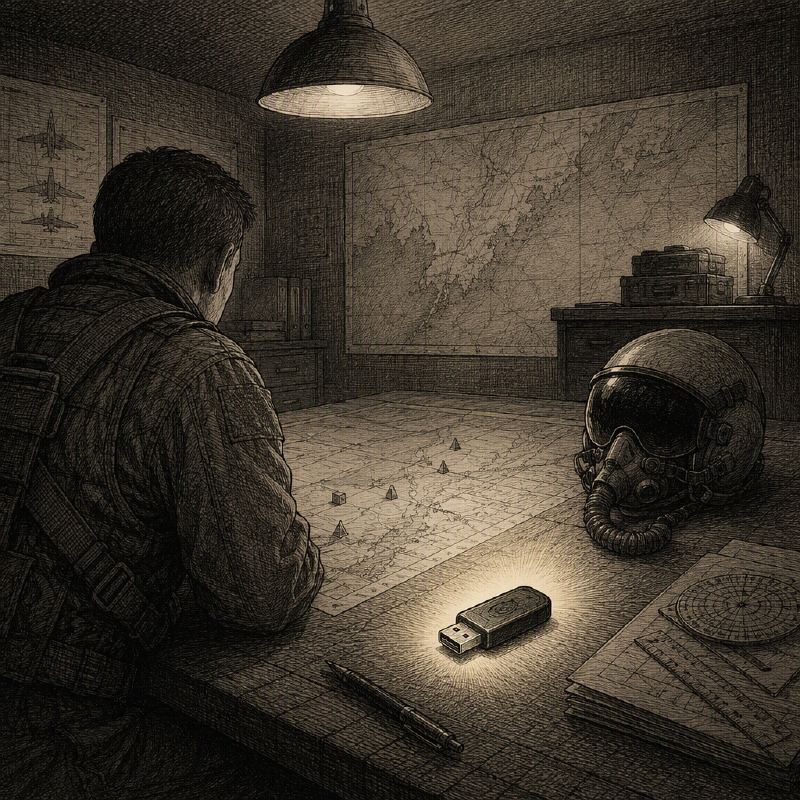
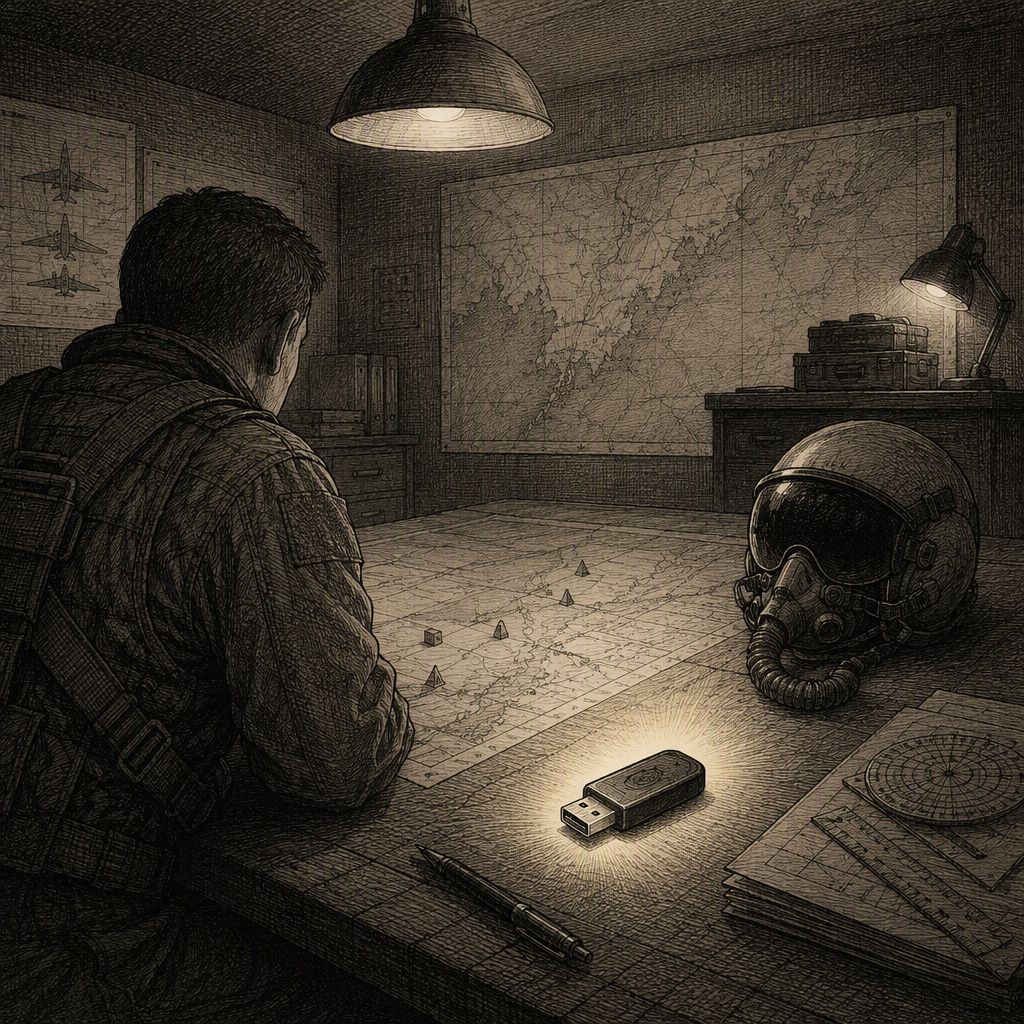
In a stark reminder of historical cybersecurity vulnerabilities within military operations, a former CISO for the Air Force has detailed a dangerous practice employed by pilots in Afghanistan during the early 2000s: the use of commercially purchased USB drives to transfer classified mission data.
Justin Henkel, who served in IT security for the Air Force before becoming CISO at SolarWinds, observed that pilots would often acquire these storage devices from local vendors in Afghanistan rather than through official military channels. This was partly due to the logistical challenges of bringing US-based computer equipment into the country. The practice involved writing classified mission data onto CDs, which were then used for planning on unclassified systems before being transferred to the aircraft. As USB drives became more prevalent, they replaced CDs, but the fundamental security flaw remained: using the same device for both classified and unclassified data.
Henkel highlighted that the pilots, often young and junior, did not fully grasp the implications of this cross-contamination. "They didn't really think about the overall impact of classified versus unclassified systems," he stated. "Using the same device for both, they didn’t understand that you could read and write onto a USB drive with malware. They were not really understanding the overall threat picture."
This lax approach created a significant vulnerability, as enemy actors recognized the opportunity. Threat actors began selling infected USB drives to local vendors in the Middle East, effectively turning common commercial products into vectors for espionage and sabotage. Henkel, even as a junior member of the Air Force, attempted to raise alarms about this "sneakernet" approach with classified systems, but his warnings were largely dismissed by senior officers.
The precariousness of this situation was tragically underscored in 2008 when the US Department of Defense itself fell victim to the Agent.BTZ worm. This malware, spread via an infected USB drive connected to a laptop with access to US Central Command, was capable of exfiltrating data and communicating with remote servers. The worm, attributed by the FBI and DHS to Russian groups, took an astonishing 14 months to eradicate from Pentagon systems.
It was this high-profile breach that finally prompted the Department of Defense to implement a ban on USB drives in 2008, forcing data transfers through more secure, controlled systems. While the ban was eventually eased in 2010 with specific stipulations, the incident served as a critical, albeit delayed, lesson in the dangers of unsecured removable media within sensitive military environments.
The practice described by Henkel predates the widespread adoption of USB drives and highlights a persistent challenge in securing military networks: the human element and the difficulty in enforcing security protocols when they conflict with operational convenience or perceived necessity. The reliance on locally sourced, potentially compromised hardware in a conflict zone presented a critical blind spot that adversaries were quick to exploit.
This historical account serves as a potent case study, emphasizing the enduring importance of robust cybersecurity policies, comprehensive user training, and stringent supply chain management, especially within organizations handling classified information. The lessons learned from incidents like Agent.BTZ continue to inform modern cybersecurity strategies, underscoring the need for vigilance against even seemingly mundane threats like infected USB drives.