
US Agencies Warn China Systematically Extracting Frontier AI Capabilities via Distillation
US government agencies have issued a warning that China is systematically extracting advanced AI capabilities through a technique known as distillation, posing a significant threat to national security and technological leadership.
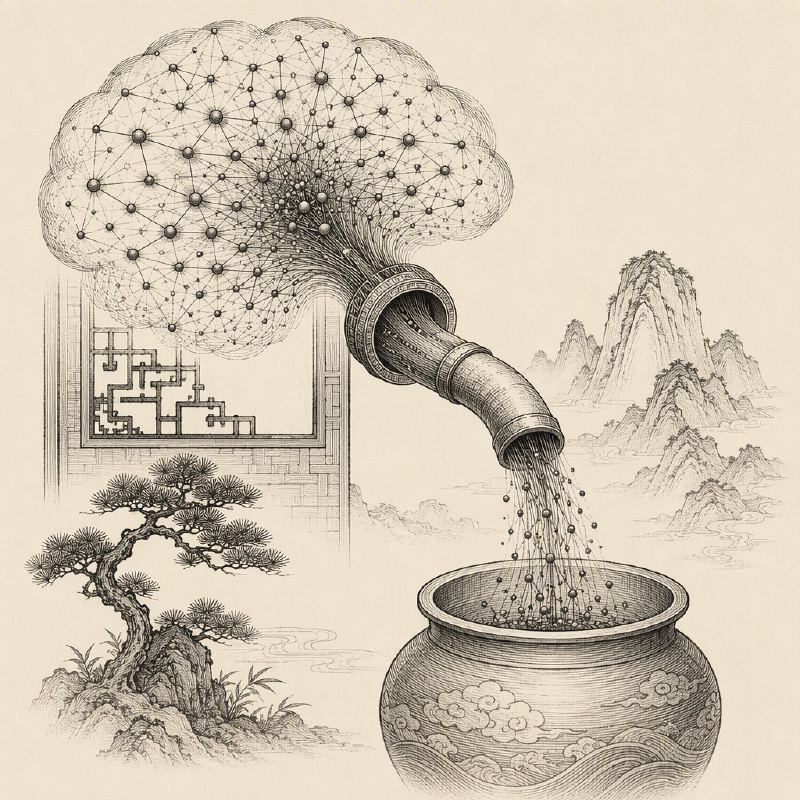
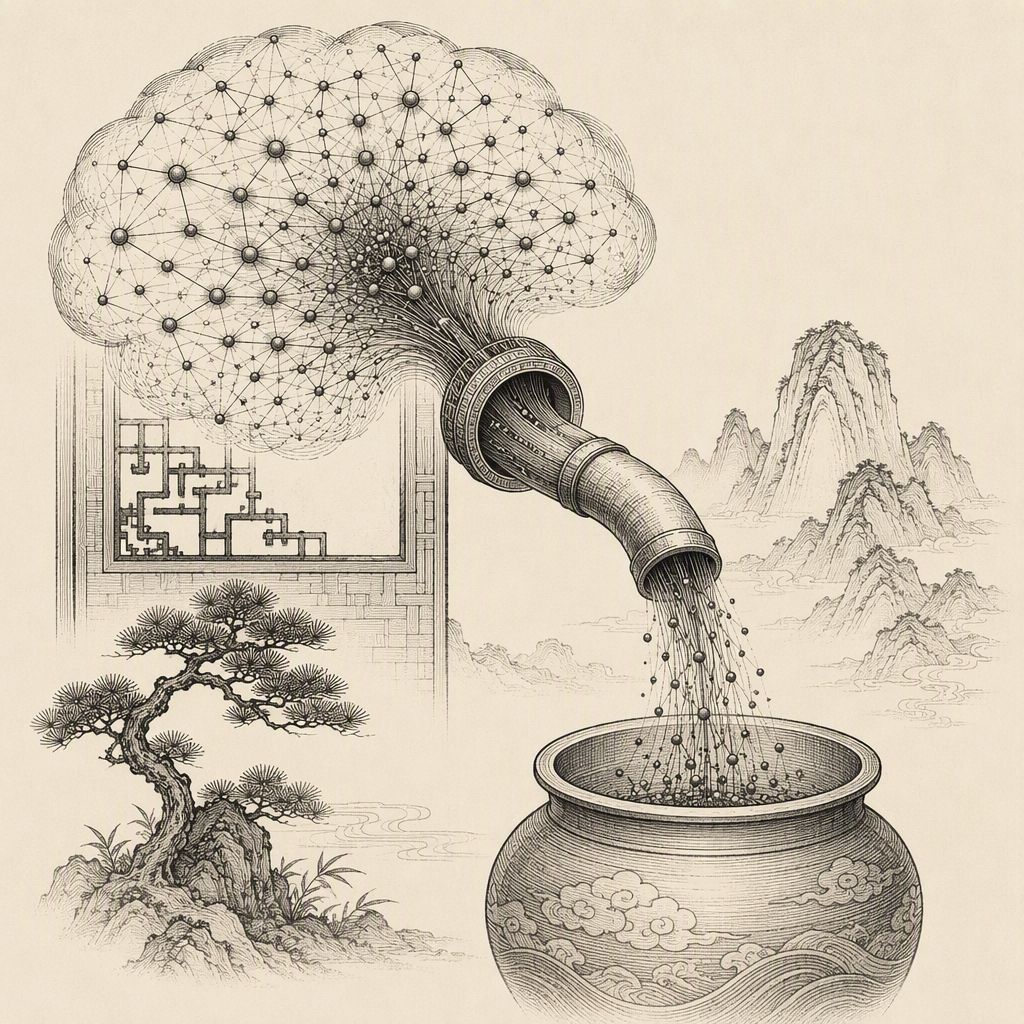
Multiple US government agencies have jointly issued a stark warning regarding China's systematic efforts to acquire advanced Artificial Intelligence (AI) capabilities through a technique called "distillation." This method allows adversaries to effectively steal the intellectual property and performance of cutting-edge AI models without needing direct access to the underlying architecture or training data.
The core of the distillation attack involves adversaries interacting with a target AI model, often through an API or other accessible interface. By carefully crafting queries and analyzing the model's responses, attackers can infer its decision-making processes and the knowledge it has acquired. This extracted information is then used to train a separate, often smaller, AI model. The goal is to create a "student" model that mimics the performance and capabilities of the original "teacher" model, effectively replicating its advanced functionalities.
This technique is particularly concerning because it bypasses traditional security measures designed to protect AI models. Unlike direct data breaches or code theft, distillation focuses on the model's observable behavior. This makes it difficult to detect and prevent, as the interaction appears legitimate to the model provider. The extracted knowledge can then be used to develop or enhance China's own AI technologies, potentially in areas ranging from autonomous systems to sophisticated cyber operations.
The implications of this widespread extraction are significant. It could allow China to rapidly advance its AI capabilities, narrowing the technological gap with Western nations. This could translate into military advantages, economic competition, and an increased ability to conduct sophisticated cyberattacks. The agencies emphasized that this is not a theoretical threat but an ongoing, systematic effort by state-sponsored actors.
While the specific AI models targeted or the exact scale of the extraction efforts were not detailed in the warning, the broad nature of the alert suggests that many frontier AI systems could be vulnerable. The agencies are urging organizations developing and deploying advanced AI to be aware of this threat and to implement robust security measures to protect their models from such attacks.
This warning highlights the evolving landscape of cyber threats in the age of advanced AI. As AI becomes more integrated into critical infrastructure and national security systems, protecting these models from exploitation becomes paramount. The distillation technique represents a novel and potent vector for intellectual property theft and capability enhancement, requiring a new generation of defensive strategies.
In response to this threat, agencies are likely to recommend enhanced monitoring of AI model interactions, the development of techniques to detect distillation attempts, and potentially stricter access controls for sensitive AI systems. The ongoing race for AI dominance ensures that such threats will continue to evolve, demanding constant vigilance and innovation in cybersecurity.
Anthropic has identified and disrupted large-scale illicit distillation attacks against its Claude AI model originating from seven Chinese AI labs, including Alibaba, Moonshot, DeepSeek, Zhipu AI, and MiniMax. These labs allegedly used legitimate knowledge distillation techniques, but employed illicit methods such as networks of fake accounts created with stolen credit cards and API keys to extract Claude's capabilities, including agentic functions, coding, and reasoning. Some of these exchanges included sensitive information from individual users, multinational corporations, and state-affiliated actors.