
Unsupported IoT Devices Pose Significant Security Risks to Smart Homes
End-of-life smart devices, no longer receiving security updates, leave consumers vulnerable to hijacking for botnets, data theft, and even physical disruption.
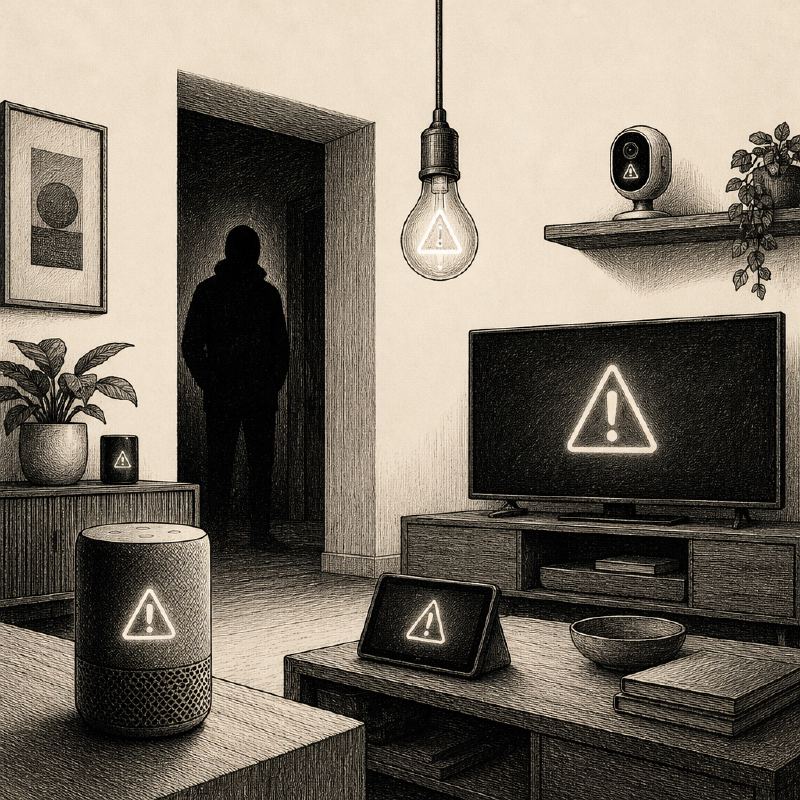

The increasing prevalence of smart devices in our homes, from fitness trackers to smart TVs and lighting, brings convenience but also introduces significant security risks when these devices reach their end-of-life (EoL) and cease receiving vital security updates. Without these patches, vulnerabilities discovered after a product is retired remain unaddressed, creating an open door for malicious actors.
A stark example of this danger occurred recently in France, where hackers exploited unsupported IoT devices controlling supermarket refrigeration systems. By leveraging unpatched vulnerabilities in these EoL devices, attackers were able to manipulate temperatures, leading to massive food spoilage and potential losses in the tens of millions of euros. While this incident involved commercial systems, the underlying weakness is identical to that found in unsupported home routers, cameras, or smart TVs.
When a smart device reaches EoL, the most critical, albeit invisible, consequence is the cessation of security updates. This means any newly discovered flaws, whether by security researchers or malicious actors, will not be fixed. This creates a fertile ground for exploitation, allowing attackers to:
- Hijack home routers to steal passwords, bypass network security, and redirect users to phishing sites.
- Use compromised smart devices, like smart TVs, as entry points into a home network to steal sensitive data or credentials.
- Remotely control smart locks, potentially granting physical access to a property.
- Take over smart cameras for surveillance, posing risks to personal safety and providing blackmail material.
- Enlist devices into botnets, as seen in March 2026 when the US Department of Justice disrupted four IoT botnets comprising over three million devices.
Certain types of smart devices are particularly vulnerable. Inexpensive, no-name Android TV boxes, for instance, may come with insecure services, pre-installed malware, or outdated operating systems that are easily exploitable. The FBI warned in June 2025 that such devices were being used in the BADBOX 2.0 botnet.
When a smart product is no longer supported, its functionality may degrade, and its exposure to security risks increases significantly. It is therefore advisable to replace such devices as soon as possible, with routers being a top priority due to their role as the gateway to the smart home. Cameras and smart locks should also be prioritized.
Determining the support lifespan of a device can be challenging, as a 2024 FTC study found that a vast majority of manufacturer websites failed to disclose this information. Consumers are advised to record their device's model number and firmware version and check manufacturer websites for EoL information. It's important to note that the end of a warranty period does not always coincide with the end of security updates.
To maintain a secure smart home, users should prioritize router security by ensuring it has the latest firmware and strong, unique credentials, and disabling unnecessary features like WPS and remote administration. Segmenting IoT devices onto a separate guest network can prevent them from being used as a pivot point into the main network. Enabling automatic updates for supported devices and using strong, unique passwords with multi-factor authentication for all smart home accounts are also crucial steps. Finally, disabling UPnP and port forwarding where appropriate, avoiding suspicious no-name devices, and regularly reviewing connected devices and router logs can further mitigate risks.