
Unsophisticated Attack Highlights Pervasive Third-Party Risk at European Bank
A recent cyberattack on a European bank, characterized by its unsophisticated methods, has underscored the significant security risks posed by third-party vendors and supply chains.
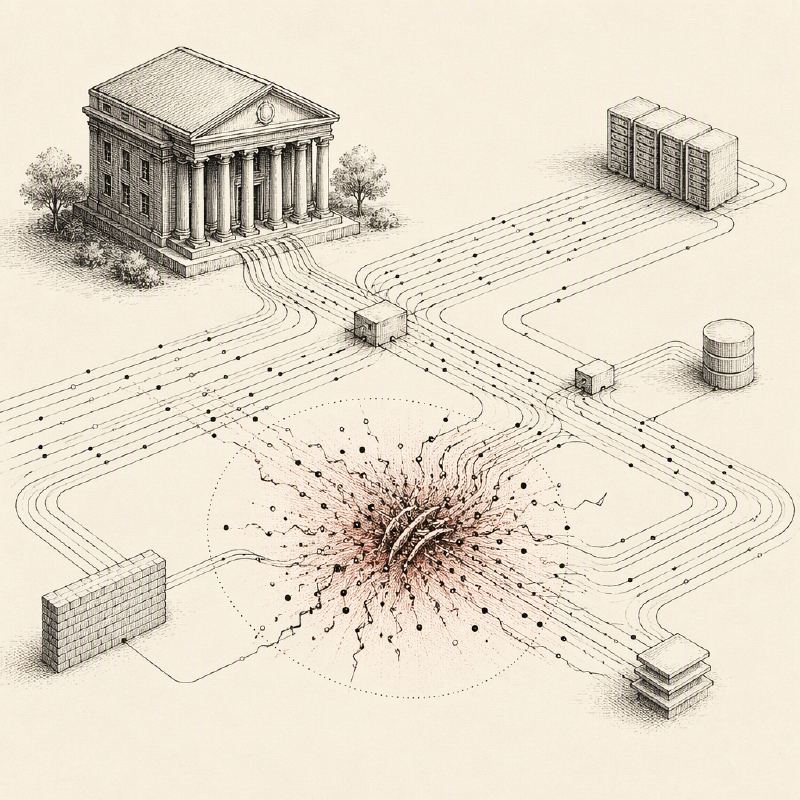
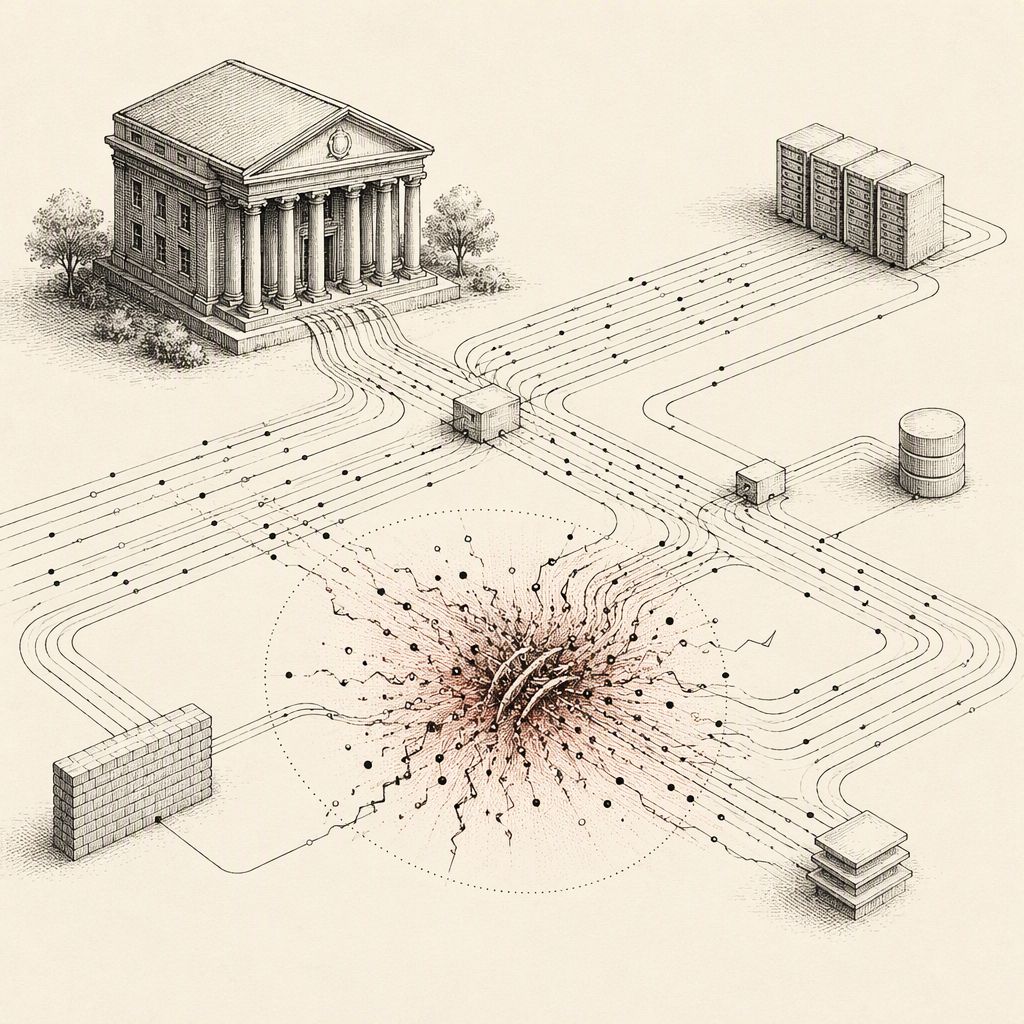
Palo Alto Networks Unit 42 researchers have detailed a cyberattack that targeted the IT infrastructure of an unnamed European bank. The attack, notable for its lack of advanced techniques, exploited vulnerabilities inherent in the bank's reliance on third-party services, a common yet often underestimated threat vector in modern cybersecurity.
The analysis reveals that the attackers employed relatively simple methods, suggesting that even organizations with robust internal security measures can be vulnerable if their third-party partners have weaker defenses. The "unsophisticated" nature of the attack implies that it may have been opportunistic, targeting readily available exploits or misconfigurations within the bank's extended network.
One of the key indicators highlighted by Unit 42 was an unusual increase in "network noise." This surge in background network traffic, often dismissed as benign or system-generated, can serve as an early warning sign of malicious activity. By meticulously analyzing this noise, security teams can potentially detect and respond to intrusions before they escalate into significant breaches.
The report emphasizes the critical importance of comprehensive third-party risk management. This includes not only vetting vendors for their security practices but also establishing continuous monitoring and auditing processes. Organizations must understand the potential attack surface introduced by every external connection and service they utilize.
Unit 42 provides specific defense strategies aimed at helping organizations detect and counter similar threats. These strategies likely involve enhanced network traffic analysis, anomaly detection, and improved visibility into the security posture of third-party integrations. The goal is to transform subtle indicators, like network noise, into actionable intelligence.
While the specific details of the exploited vulnerabilities are not fully disclosed in the initial summary, the incident serves as a stark reminder that attackers often target the weakest link in the chain. For the European bank, this weakness appears to have been within its third-party ecosystem, rather than its core internal defenses.
The findings from this analysis are crucial for any organization that relies on external vendors, software-as-a-service (SaaS) providers, or cloud services. Proactive measures, including stringent security requirements for partners and vigilant monitoring of network activity, are essential to mitigate the risks associated with third-party dependencies.