
Unit 42 Report Details Evolving Threat Landscape, Including AI Integration by Adversaries
Palo Alto Networks' Unit 42 highlights ongoing cyberespionage and financial extortion campaigns, noting a significant trend of threat actors integrating AI tools to enhance their operations.

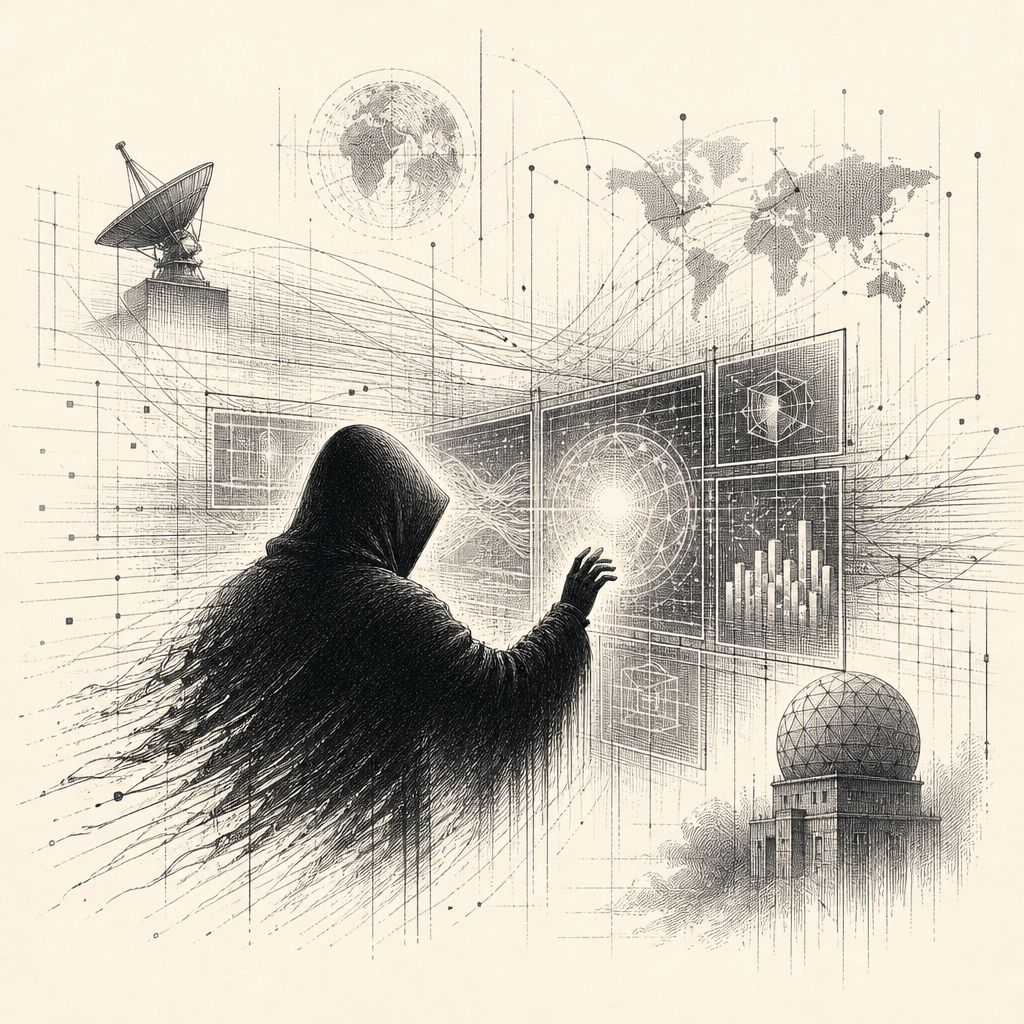
Palo Alto Networks' Unit 42 has released its latest threat intelligence report, offering a comprehensive overview of the current cyber threat landscape. The report underscores the persistent focus of adversaries on two primary objectives: strategic intelligence collection through cyberespionage and financial gain via extortion and fraud.
In the realm of cyberespionage, state-sponsored and advanced persistent threat (APT) groups continue to prioritize covertly acquiring sensitive data, intellectual property, and geopolitical intelligence. Key tactics observed include the widespread use of living-off-the-land (LotL) techniques, leveraging legitimate system binaries and administration tools to evade detection. These groups also employ a combination of zero-day vulnerability exploitation and targeted spear-phishing campaigns for initial access, alongside sophisticated methods for credential harvesting and low-and-slow data staging to maintain long-term persistence.
The cybercrime landscape remains dominated by organized syndicates and affiliates focused on monetary profit. These actors are increasingly employing multi-extortion models, which often involve a combination of data exfiltration, ransomware deployment, and threats of public data exposure. Initial access is frequently gained through compromised infostealer logs, exposed credentials, or unpatched perimeter assets. Business email compromise (BEC) schemes and payment diversion tactics are also prevalent, leading to fraudulent wire transfers.
A significant and cross-cutting trend highlighted in the report is the increasing integration of artificial intelligence (AI), particularly generative AI and large language models (LLMs), into threat actors' offensive workflows. This adoption spans various motivations and operational areas.
Adversaries are leveraging AI to generate highly refined and context-tailored social engineering lures and synthetic personas at scale, making phishing and other social manipulation attacks more effective. Furthermore, LLMs are being utilized to assist in rapid scripting, payload debugging, and code obfuscation, accelerating the development and deployment of malicious tools.
The report also points to the application of automated reconnaissance and multimodal AI tools, such as deepfakes, to support sophisticated operations like executive impersonation and gaining unauthorized access to sensitive systems. This integration of AI signifies a notable evolution in adversary capabilities, enabling more sophisticated, scalable, and evasive attacks.
These findings are derived from in-depth threat intelligence bulletins provided to Unit 42 Threat Intelligence Services customers. The services aim to equip organizations with frontline threat expertise to prioritize risks and enhance detection capabilities through human-led analysis combined with tailored intelligence.