
Ukraine Strikes Third Yandex Data Center, Disrupting Russian Digital Services
Ukraine has reportedly targeted a third Yandex data center in Russia with drones, causing widespread disruptions to critical digital services across the country.
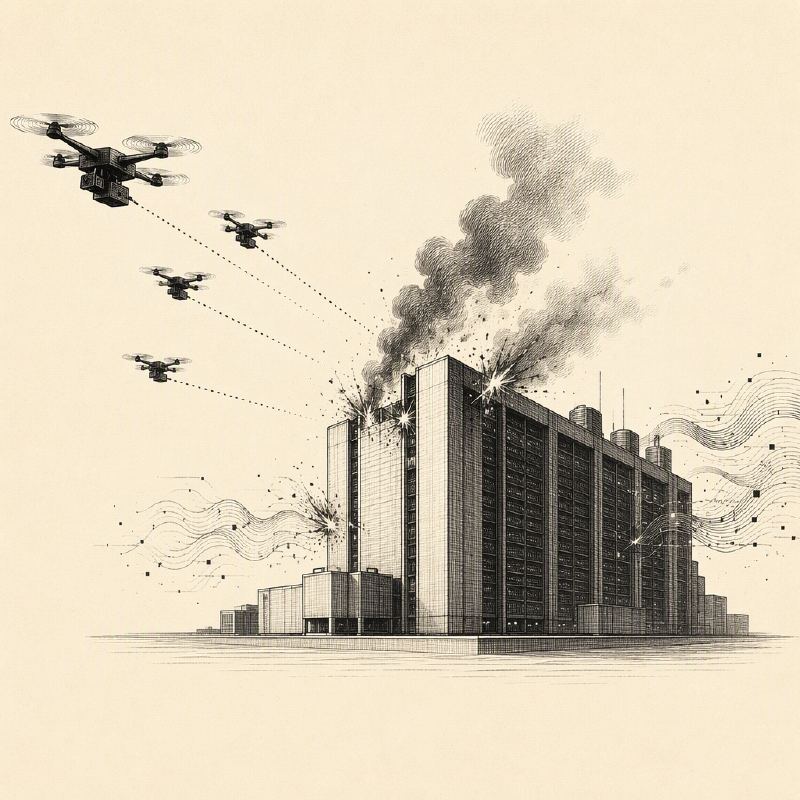
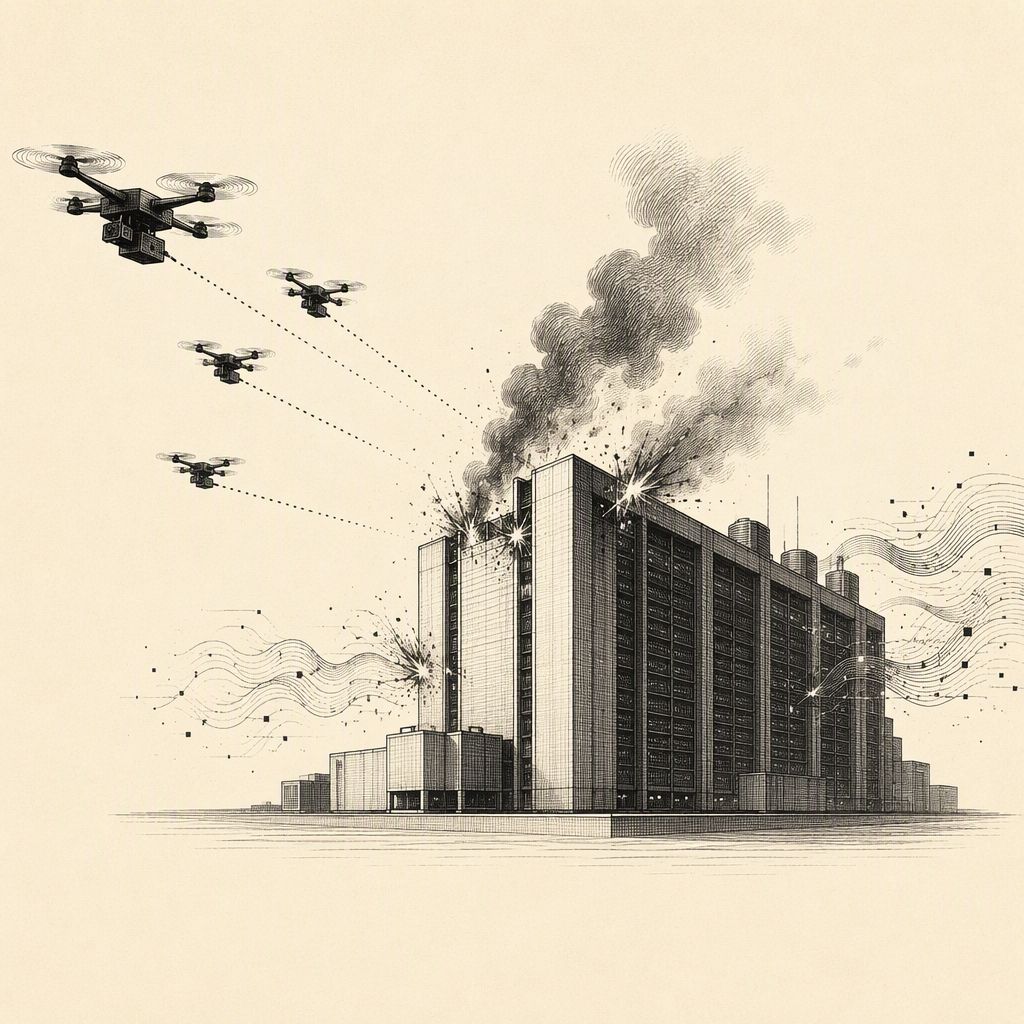
Ukraine has reportedly struck a third Yandex data center in Russia using drones over the weekend, forcing the facility offline and exacerbating disruptions to the country's digital services. The latest attack, which occurred overnight Sunday, targeted a Yandex facility in Vladimir. This incident follows two previous drone strikes on Yandex data centers in the Ryazan and Kaluga regions earlier in the week, highlighting a coordinated cyber-physical campaign against Russia's digital infrastructure.
The affected data center in Vladimir has reportedly shut down completely, with remaining infrastructure operating in an unstable, emergency mode, according to a statement from Yandex. The three targeted facilities, which house critical supercomputers used for AI model training, represent a significant portion of Yandex's data center capacity. The initial strike on October 7-8 hit a facility in Sasovo, Ryazan, causing a fire and forcing its shutdown. A second strike on October 9 impacted infrastructure at a data center in Kaluga. The full extent of damage to Yandex's supercomputers, including the Galushkin supercomputer housed in the Vladimir facility, remains undisclosed.
The disruptions have had a cascading effect across Russia's digital landscape. Yandex Cloud, a crucial provider of computing infrastructure to thousands of businesses, has been significantly impacted. Additionally, many of Yandex's own services, such as taxi booking, food delivery, and payment platforms, have experienced outages. Third-party services hosted on Yandex infrastructure, including retailers, internet providers, and even the Russian segment of TikTok, have also reported issues, underscoring the interconnectedness of the country's digital ecosystem.
In response to the ongoing attacks, Yandex has advised its cloud customers to develop alternative recovery plans, moving away from sole reliance on its own infrastructure. The company has also reportedly entered into agreements with competing cloud providers like Selectel, K2Cloud, and VK Cloud to assist affected customers in migrating their data and services. Yandex acknowledged the severe impact of the outages, stating that "every outage means disrupted plans and an inability to do things that are part of everyday life or work." The company has also updated its terms of service to exclude liability for disruptions caused by drone strikes and other attacks, potentially limiting customer recourse.
The Russian government has acknowledged the severity of the situation, with the Ministry of Digital Development working with the Defense Ministry to enhance security measures for critical digital infrastructure. Russian Digital Development Minister Maksut Shadayev described the attacks as "unprecedented" and emphasized the need for improved protection of these facilities.
These strikes are seen as a retaliatory measure by Ukraine, following Russian attacks on Ukrainian data centers and telecommunications facilities in late September. Ukrainian President Volodymyr Zelensky has acknowledged these retaliatory actions, stating that Ukraine "always responds in kind" to Russian attacks on its infrastructure. The targeting of Yandex, a major technology provider in Russia, represents a significant escalation in the cyber-physical dimension of the ongoing conflict.
The attacks underscore the growing vulnerability of critical digital infrastructure to physical attacks, even in a technologically advanced nation. The reliance on centralized data centers makes them prime targets, and the disruption of services can have far-reaching economic and social consequences. The incident also highlights the evolving tactics employed in modern warfare, where cyber and physical domains are increasingly intertwined.
While Yandex has not provided a timeline for restoring full service, the ongoing nature of the conflict suggests that such disruptions may continue. The situation serves as a stark reminder of the need for robust cybersecurity and physical security measures for essential digital services, particularly in regions experiencing geopolitical instability.
The attacks, which began on October 7-8 and continued on October 9, severely damaged Yandex's Sasovo datacenter and impacted its Kaluga and Vladimir sites. While Yandex engineers are working around the clock to restore services, prioritizing core functions like Mail and Search, the Yandex Cloud platform continues to operate in a limited mode, with network connectivity reported at 30 percent of normal levels. The company has advised customers to use alternative hosting and resource reservation options during the ongoing restoration efforts.