
Ukraine Claims Cyberattack Disrupted Russian E-commerce Giant Wildberries
Ukraine's military intelligence alleges a cyberattack on Russian e-commerce platform Wildberries, coinciding with drone strikes and aiming to amplify disruption.
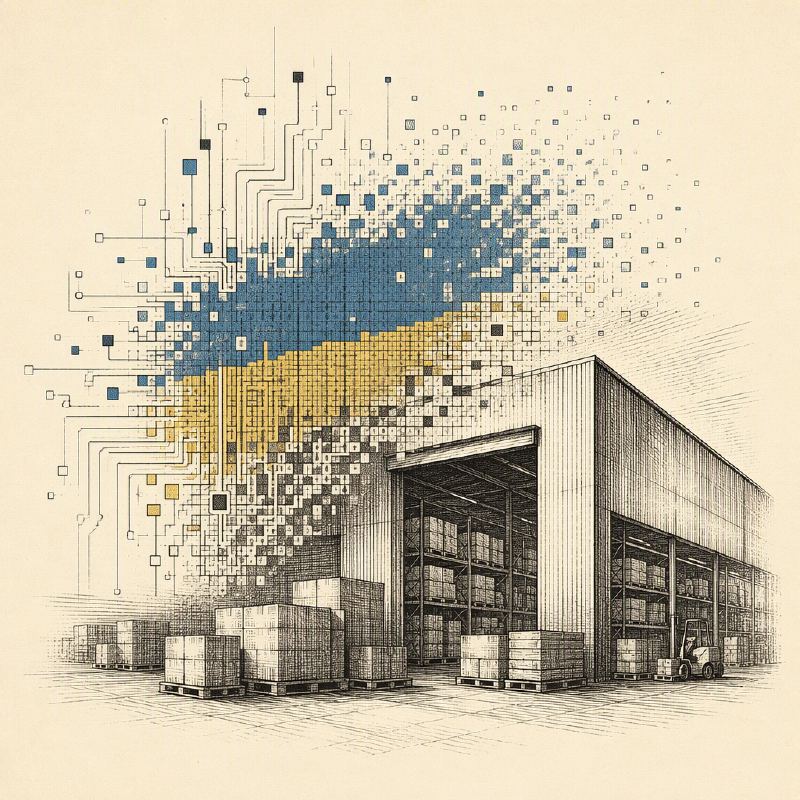
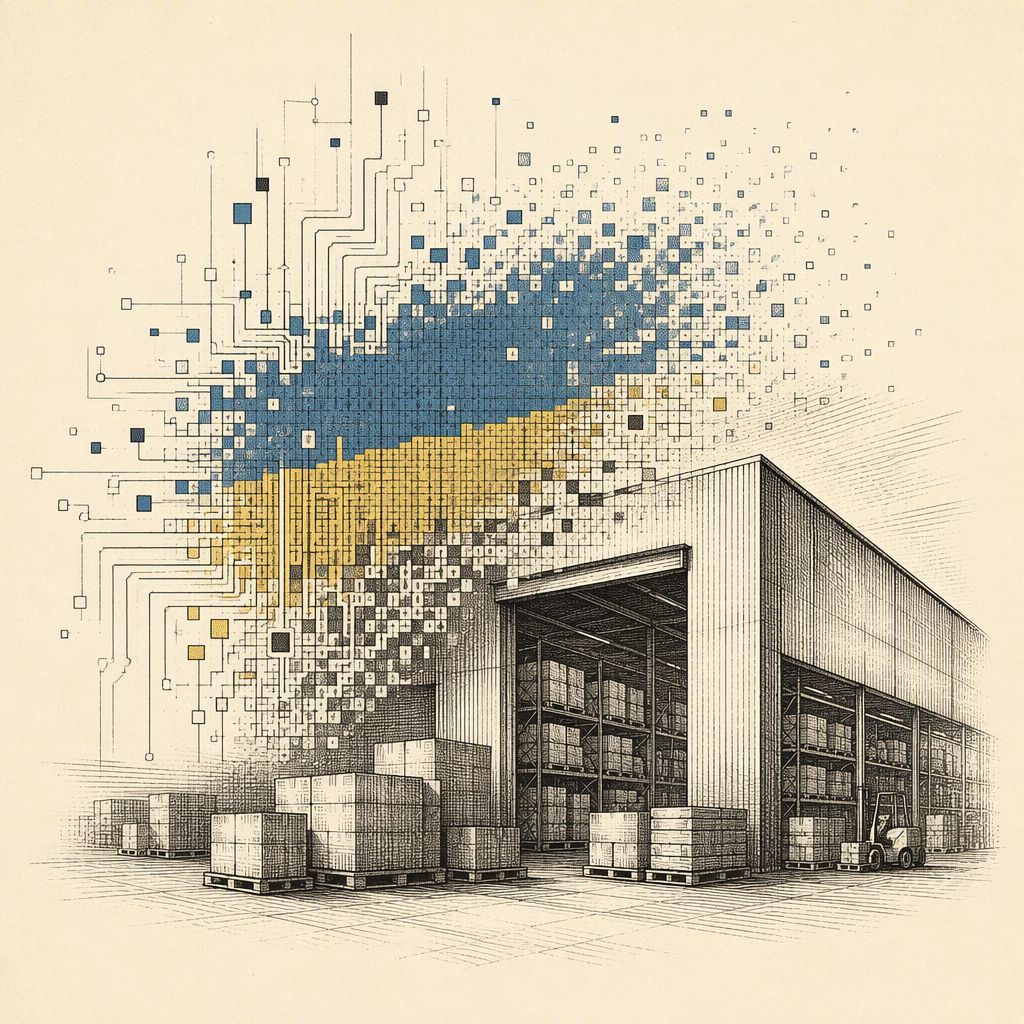
Ukraine's Main Intelligence Directorate (HUR) has claimed responsibility for a cyberattack that disrupted the operations of Wildberries, Russia's largest online marketplace. The operation, reportedly conducted in collaboration with the Cyber Corps hacker group, aimed to amplify the impact of kinetic strikes, including drone attacks, on the company's infrastructure. The HUR stated that the cyberattack caused "widespread disruption" to the e-commerce giant's customer service, contact centers, and payment systems, leading to numerous customer complaints about an inability to make payments.
Wildberries, often compared to Amazon for its extensive logistics network and scale, plays a significant role in Russia's economy and supply chain. The HUR specifically targeted its digital infrastructure, asserting that the company "fuels the aggressor's economy and its criminal war against Ukraine." This cyber offensive is framed as a strategic move to inflict further losses on a company that allegedly also sells military equipment, including drone components and body armor, through its platform.
This cyberattack follows a pattern of Ukrainian forces targeting Wildberries' physical infrastructure. Russian media reports suggest the company has lost over 1.2 million square meters of warehouse space due to previous Ukrainian attacks. The Ukrainian Defense Ministry further claimed that seven of the company's ten largest logistics centers have been taken out of operation, underscoring the combined kinetic and cyber approach.
The cyberattack's specific technical mechanisms and the full extent of the disruption remain undisclosed, with the HUR offering limited details. The claims themselves could not be independently verified by The Record. However, the incident highlights a growing trend of cyber operations being used in conjunction with physical attacks to maximize strategic impact.
Ukraine's military intelligence has a history of executing cyberattacks, often in partnership with hacker groups, to complement its military actions. For instance, in June 2025, the HUR claimed to have hacked the internal systems of the Russian aircraft manufacturer Tupolev shortly after drone attacks on Russian air bases. Last September, the agency also claimed responsibility for hacking Russian election systems and other government services in response to voting in occupied Ukrainian territories.
While Wildberries has not issued a public statement regarding the alleged cyberattack or the damage to its infrastructure, the incident underscores the multifaceted nature of modern warfare, where digital and physical domains are increasingly intertwined. The targeting of a major e-commerce platform also raises questions about the broader economic implications and the potential disruption to consumer access and supply chains within Russia.
The strategic alignment of cyber operations with kinetic strikes suggests a coordinated effort by Ukraine to degrade Russia's logistical capabilities and economic support for its military operations. The HUR's statement emphasizes the dual role of Wildberries as both a critical economic entity and a potential supplier of sensitive military goods, making it a high-value target for both physical and digital assaults.