
UK Proposes 14-Year Prison Sentences for Subsea Cable Sabotage
Britain is updating its 1885 Submarine Telegraph Act to impose harsher penalties for damaging subsea cables and pipelines, including up to 14 years in prison.
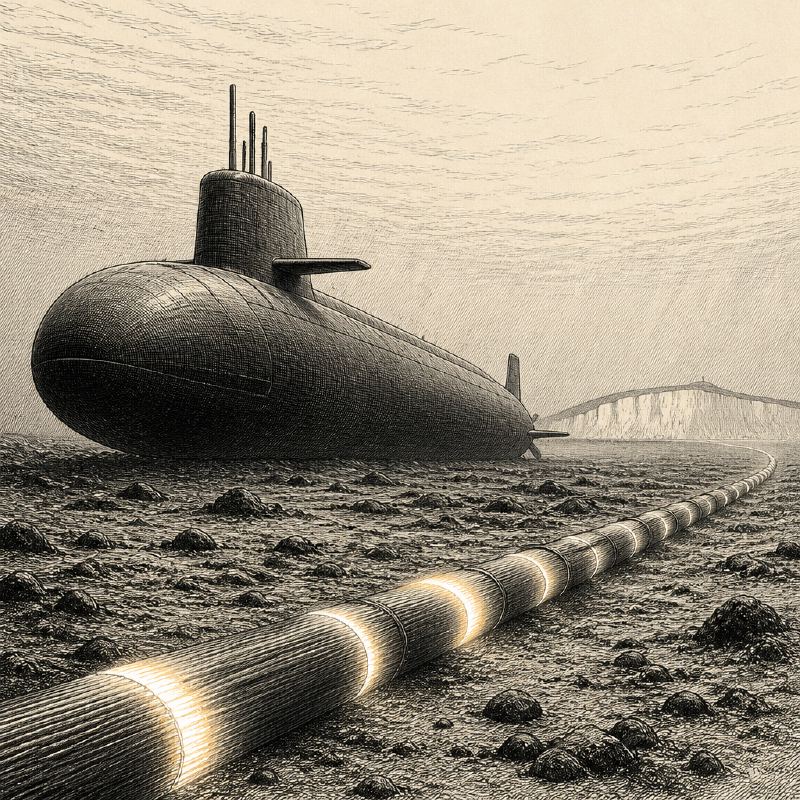
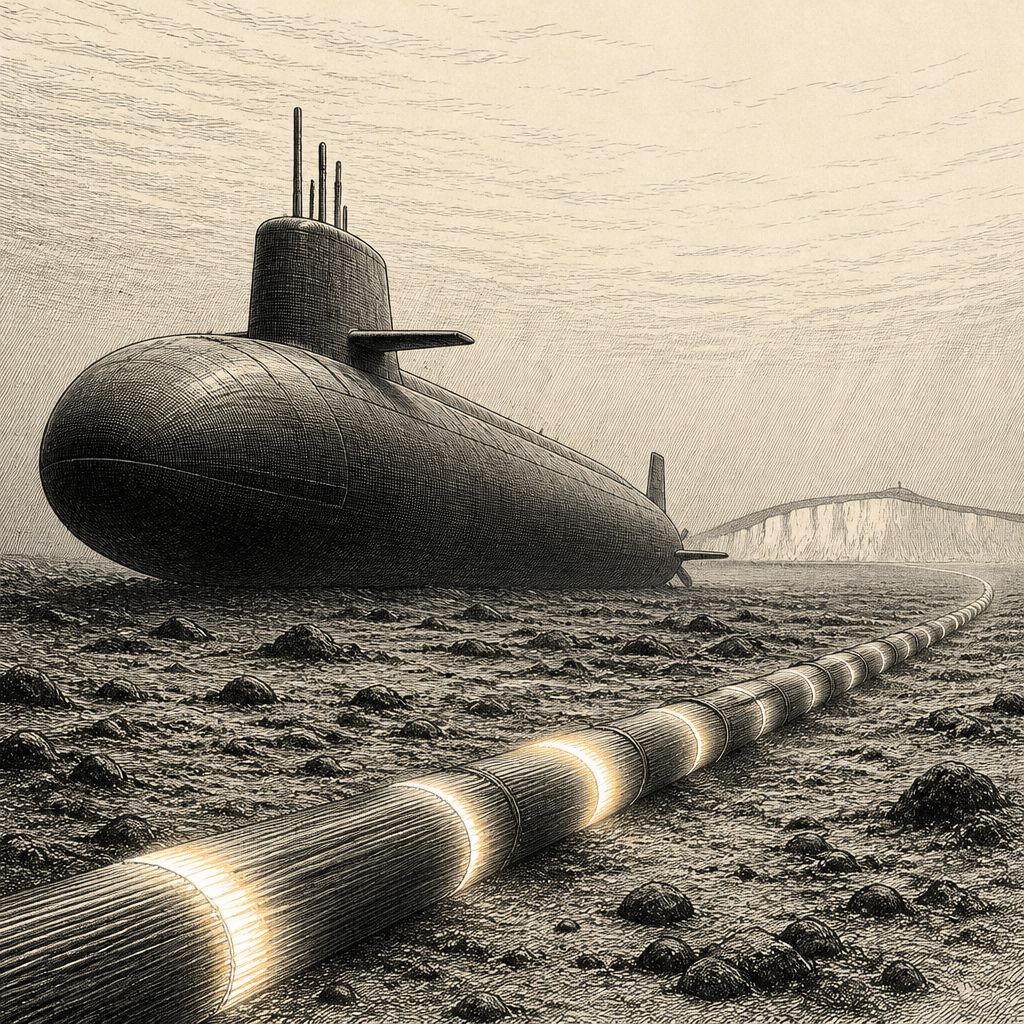
Britain is poised to significantly increase penalties for damaging critical subsea infrastructure, with proposed legislation threatening saboteurs with up to 14 years in prison and unlimited fines. This move aims to modernize laws that currently date back to the Victorian era, specifically the Submarine Telegraph Act of 1885, which imposed a maximum fine of just £100 for culpable negligence.
The government's proposal comes amid growing concerns over suspicious activity, particularly from Russia, targeting the vital undersea cables and pipelines that support the UK's data traffic and energy supply. Subsea cables carry approximately 99 percent of the UK's international data, while underwater pipelines account for 74 percent of its gas supply. The current legal framework, established when the telegraph was the pinnacle of communication technology, is deemed insufficient to deter modern threats.
Under the new plans, intentional damage to critical subsea energy or telecoms infrastructure could result in a 14-year prison sentence. Reckless or negligent damage would also face significantly tougher penalties, including unlimited fines. Furthermore, the legislation introduces new legal duties for subsea telecoms operators, requiring them to identify and manage security risks proactively.
Beyond increased penalties, the proposed laws grant ministers enhanced powers to direct companies and cable repair providers to take specific actions necessary for protecting national security. The government also intends to regulate fiber-optic sensing technology, which, while useful for monitoring, could pose a security risk if sensitive data falls into the wrong hands.
These legislative updates are partly a response to observed threats. In April, British forces revealed a covert Russian submarine operation near critical undersea infrastructure, involving a submarine and specialist vessels surveying cable routes. "The threats we face have changed dramatically, with suspicious Russian activity around critical undersea infrastructure, yet some of the laws protecting these vital connections date back more than a century," stated telecoms minister Ian Murray.
While fishing boats and ship anchors are responsible for the vast majority of cable damage (up to 97 percent), the government is focusing on the potential for state-sponsored sabotage. Existing laws already allow for life sentences for serious sabotage, but proving intent and identifying perpetrators, especially when the crime scene is at the bottom of the sea and suspects may be in hostile nations, presents significant challenges.
The proposed legislation is currently open for a 12-week public consultation. Following this period, the government will review feedback before deciding on the final course of action. The effectiveness of these new deterrents against state actors remains to be seen, but the update marks a significant modernization of Britain's approach to protecting its essential subsea infrastructure.