
UK Police Face-Scanning Trial Yields Zero Matches, Costs £320,000
A six-month live facial recognition trial by British Transport Police scanned over 500,000 faces, generating only one false positive and no arrests, sparking criticism over cost and effectiveness.
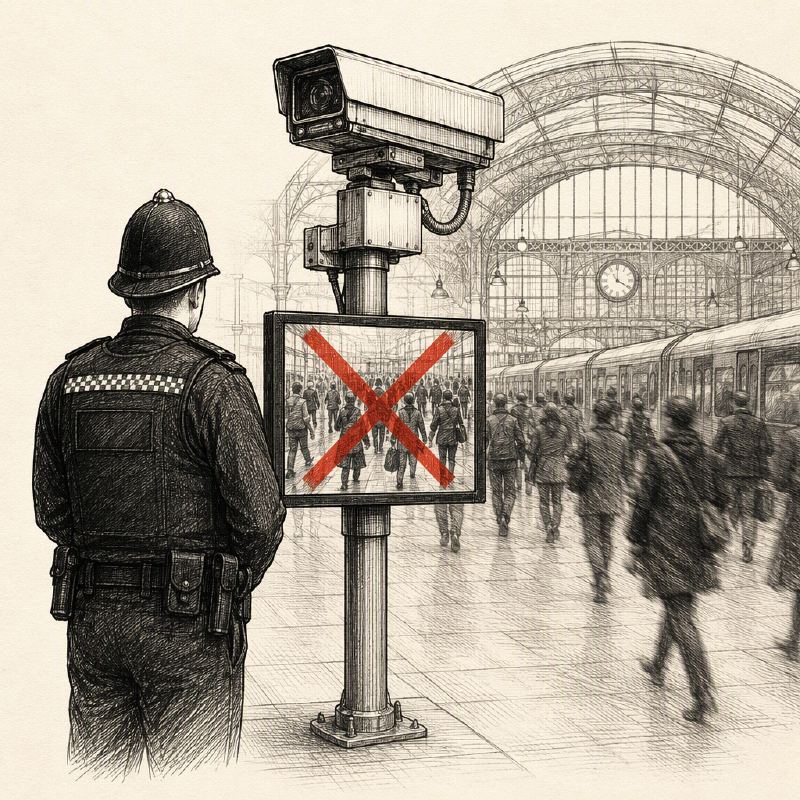
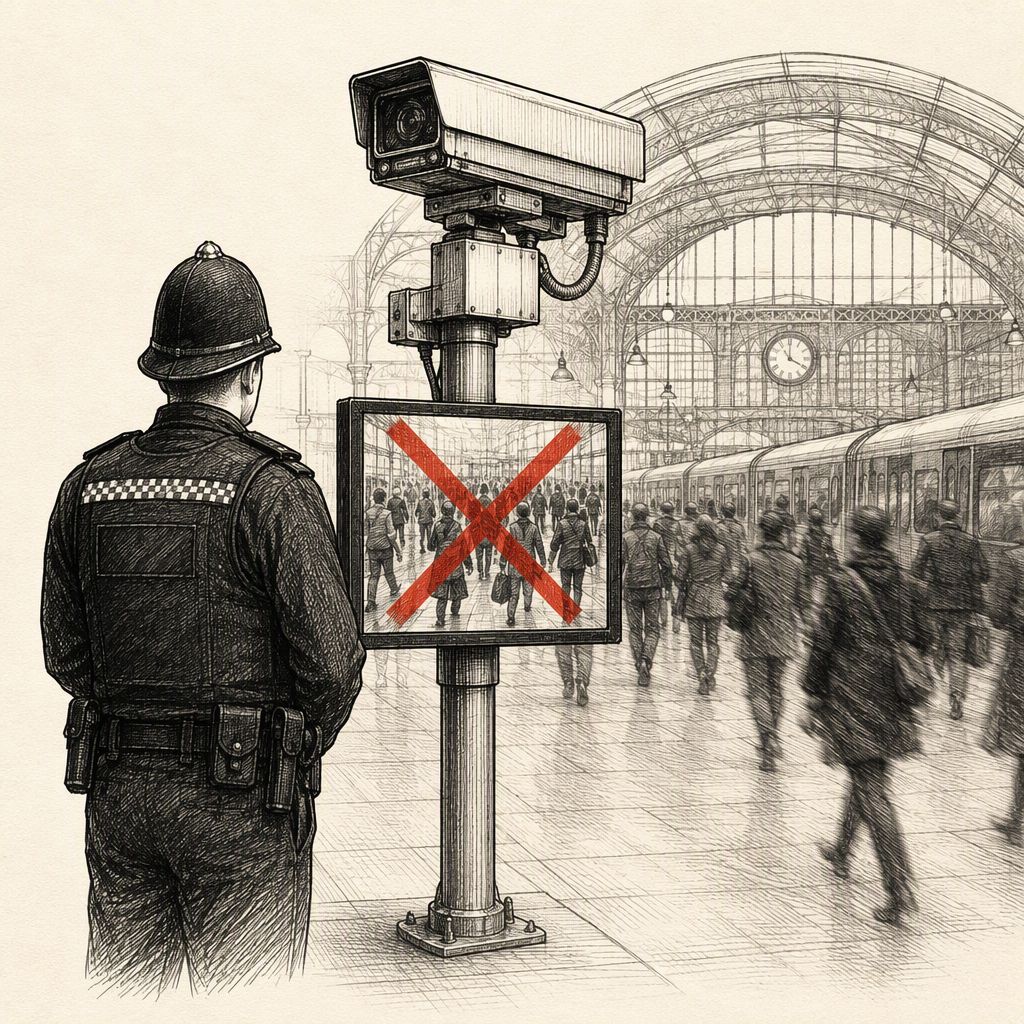
British Transport Police (BTP) has concluded a six-month trial of live facial recognition (LFR) technology that scanned over half a million individuals at London railway stations, at a cost exceeding £320,000. The trial, which utilized NEC's NeoFace M40 system, generated a single alert, which was ultimately a false positive, meaning no individuals on police watchlists were correctly identified. This outcome has led to significant criticism from civil liberties and privacy advocacy groups, who argue the technology is ineffective and an invasion of privacy.
The extensive trial consumed nearly 100 police hours and involved processing the biometric data of more than 500,000 commuters. Despite the significant investment and resource allocation, the system failed to produce any correct matches or lead to any arrests. This lack of tangible results has intensified calls for the discontinuation of LFR technology in public spaces.
Privacy advocates, including those from Big Brother Watch and Privacy International, have voiced strong concerns about the implications of such widespread surveillance. Jasleen Chaggar of Big Brother Watch stated that subjecting innocent people to intrusive identity checks is not only unfair but also a waste of public funds and police time. Sarah Simms from Privacy International echoed these sentiments, highlighting the invasive nature of LFR and the lack of specific legal frameworks governing its use in the UK.
BTP, however, has indicated that the trial has been extended and expanded to include the London Underground, suggesting a continued commitment to the technology. The force maintains that the system only compares faces against a police watchlist and that biometric data is immediately deleted for individuals not on the list. They also claim that deployments are intelligence-led and targeted at areas with a high likelihood of encountering "high harm offenders."
Critics remain unconvinced by these assurances, pointing to the sheer volume of innocent individuals whose facial data is processed during these operations. The lack of specific legislation to regulate facial recognition technology further exacerbates these concerns, leaving a gap in safeguards for citizens' rights and freedoms.
The trial's results stand in contrast to the initial aims of deploying LFR, which typically include enhancing public safety and aiding in the identification of suspects. The failure to achieve any positive identifications raises serious questions about the technology's reliability and its suitability for widespread public deployment.
This outcome also comes amidst broader controversies surrounding police use of facial recognition, including past concerns about racial bias in some systems. BTP's own trial has highlighted a different, yet equally problematic, issue: the system's inability to accurately identify individuals, leading to a costly and ineffective surveillance effort.
The continued expansion of LFR by BTP, despite these demonstrably poor results and ongoing privacy debates, underscores the contentious nature of this technology and the ongoing struggle to balance security objectives with fundamental civil liberties.