
UK Cyber Agency Warns of Surge in AI-Assisted Cyberattacks
The UK's National Cyber Security Centre (NCSC) has observed a significant increase in cyberattacks leveraging AI, with threat actors using automated frameworks to rapidly discover and exploit vulnerabilities.
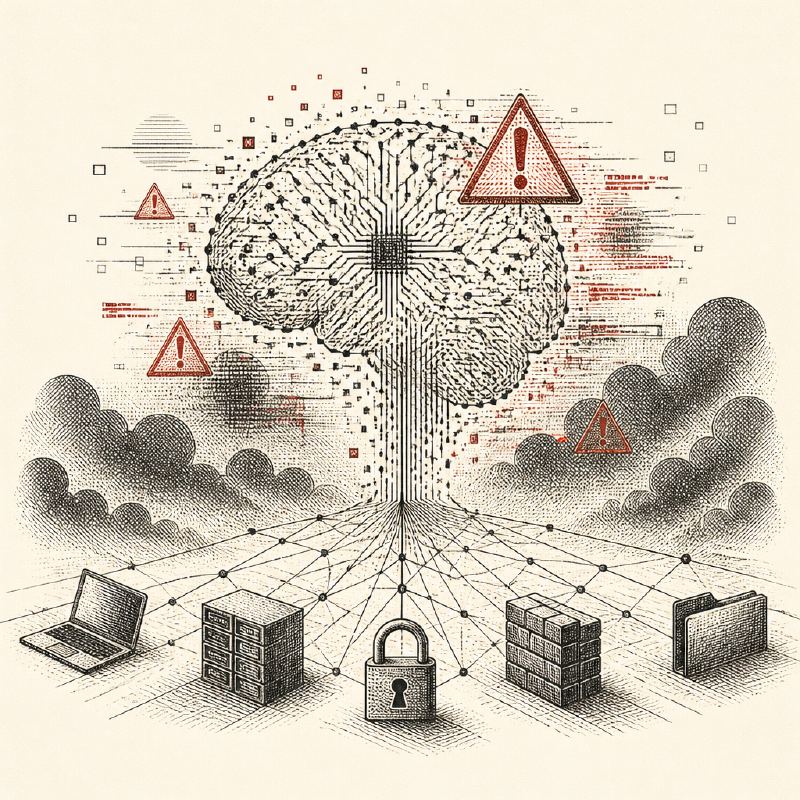
The UK's National Cyber Security Centre (NCSC) has reported a notable rise in cyberattacks that utilize artificial intelligence since September. Officials from the NCSC stated that organizations across various sectors are experiencing incidents due to threat actors employing "agentic offensive frameworks." These are software tools originally designed for defensive red teaming exercises that are now being repurposed for offensive operations.
The observed attacks are characterized by the rapid, automated discovery and exploitation of vulnerabilities across a target's internet-facing assets. This approach allows threat actors to probe and attack systems in quick succession, leading to impacts ranging from system outages to full compromise. The NCSC officials noted that while the underlying vulnerabilities are not new and should have been patched, the speed and persistence at which these AI-driven campaigns can be executed, combined with their low cost, present a significant and evolving threat.
This escalation is attributed to the combination of accessible large language models (LLMs) and "technical harnesses." These harnesses are systems that guide and contextualize LLM actions, manage memory, and determine when human intervention is needed. This integration allows even readily available open-source LLMs to become potent offensive tools. CrowdStrike's principal intelligence analyst, Eric Loui, confirmed that the company is tracking numerous threat actor groups that are increasingly delegating decision-making to AI agents, with sophisticated harnesses enabling the use of older, easily bypassed models.
An example cited involved a threat actor using an AI model to identify an initial access point into a healthcare organization. The instructions given to the AI were rudimentary, relying on the model's training data and harness to perform reconnaissance and exploit a SQL injection vulnerability within 90 minutes. This trend also sees attackers developing bespoke software and malware for each engagement, making traditional threat intelligence methods of tracking toolsets and malware families more challenging.
The NCSC emphasized that the vulnerabilities exploited are largely known weaknesses that organizations should have addressed through diligent patching and cybersecurity best practices. The increased speed and scale of these AI-driven attacks, however, generate more "noise" and telemetry, which defenders can potentially leverage for detection and tracking. The agency recommends implementing modern approaches like zero trust and diligent application of technical controls to mitigate these risks.
This development aligns with broader concerns about the accessibility and affordability of AI tools for malicious purposes. The lack of significant financial or resource constraints for offensive security operations means that threat actors can more easily target organizations. Experts liken the coming period to a "forest fire" of exploitation and patching, where widespread damage may occur, but proactive measures can lead to more secure and resilient systems.
The NCSC's warning underscores the need for organizations to prioritize patching known vulnerabilities and to adopt robust cybersecurity postures. As AI capabilities advance, the threat landscape will continue to evolve, requiring continuous adaptation from both defenders and threat actors.