
UK Critical Infrastructure Faces Imminent AI-Powered Cyberattacks, NCSC Warns
The UK's National Cyber Security Centre (NCSC) has issued a stark warning that critical national infrastructure could face AI-powered ransomware attacks by 2028, urging immediate investment in cyber resilience.
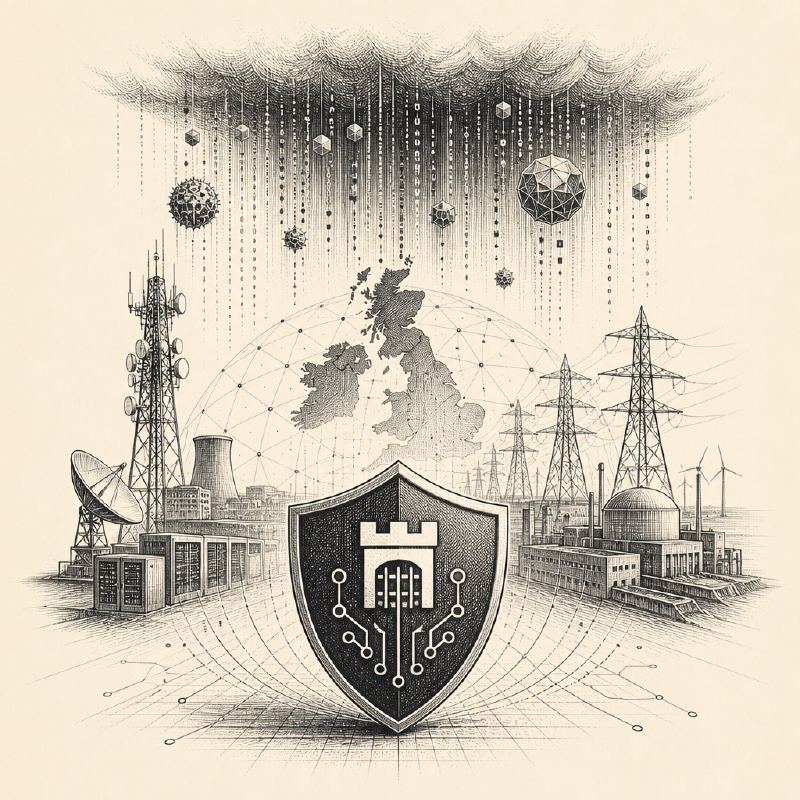
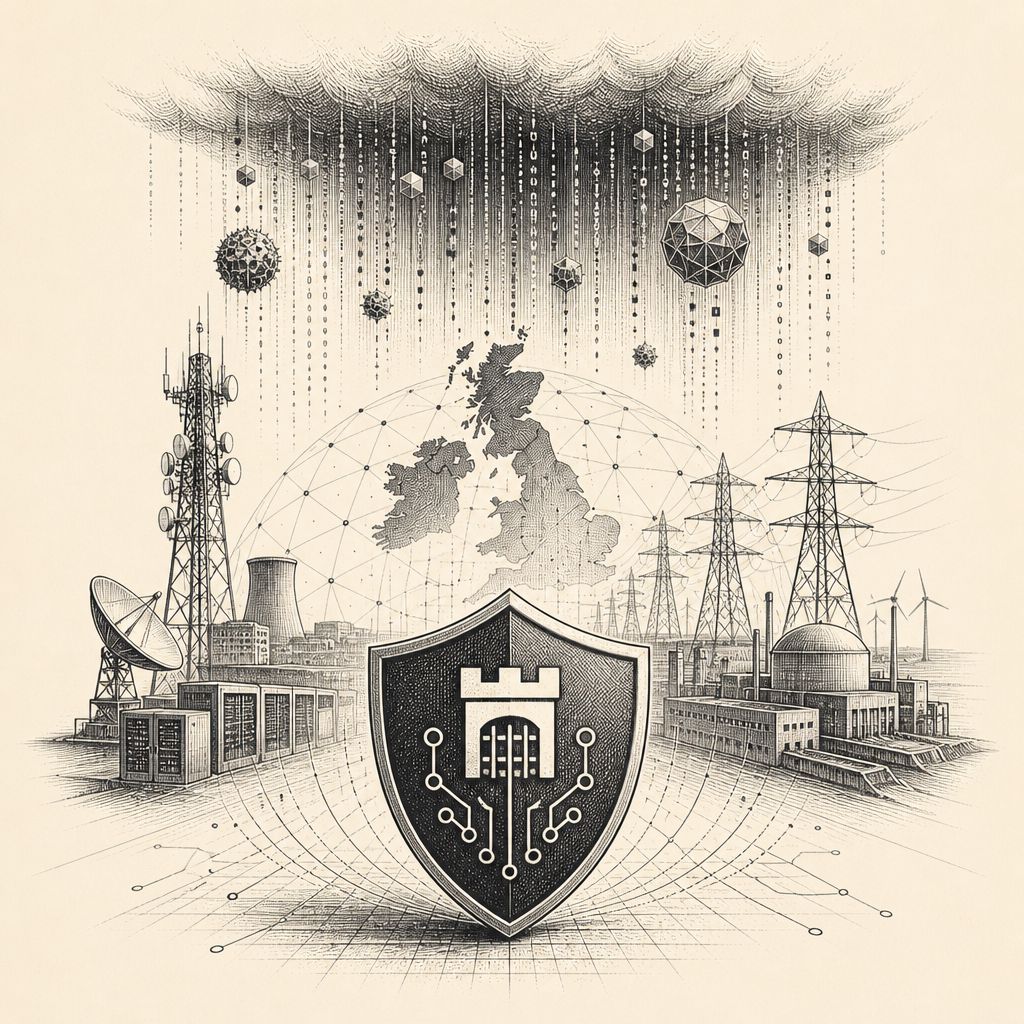
The United Kingdom's critical national infrastructure must prepare for a significant escalation in cyber threats, with the National Cyber Security Centre (NCSC) predicting a high likelihood of AI-powered malware being used in ransomware attacks by 2028. This warning, detailed in the NCSC's 'State of the Cyber Nation' report, highlights a looming era where artificial intelligence will dramatically amplify the scale and efficiency of cyber operations, including sophisticated social engineering and vulnerability exploitation.
Dr. Richard Horne, CEO of the NCSC, is set to emphasize that the current "tech on the cheap" approach, where security has been compromised for cost savings, is no longer sustainable. The rapid advancement and adoption of AI by malicious actors will expose existing vulnerabilities and underinvestment in cyber defenses at an unprecedented speed and scale. This technological shift necessitates a fundamental reevaluation of cybersecurity strategies across all sectors.
The report calls for organizations to make "significant changes" to avert a future where AI is weaponized against the UK's economy and society. While AI presents an opportunity to bolster collective cyber resilience, Horne stresses that urgent action is required to address foundational weaknesses. Failure to do so risks adversaries exploiting these gaps, leading to potentially devastating consequences for essential services and the broader economy.
In response to this evolving threat landscape, the UK government is increasing investment in cyber defense and resilience capabilities. Initiatives include bolstering the national Cyber Shield, establishing a new National Exposure and Real-Time Vulnerability (NERV) Centre to identify critical infrastructure vulnerabilities, and creating an AI Cyber Security Centre of Excellence in Manchester. These measures aim to strengthen defenses, deter hostile state aggression, and ensure the continuity of essential services.
The NCSC is urging organizations to leverage existing tools, standards, and frameworks that have proven effective against both conventional and AI-powered attacks. Dr. Horne frames the current situation as a "moment of choice," where leaders must actively invest in security and resilience, making them fundamental requirements rather than afterthoughts. This proactive stance is crucial to prevent a future where disruptions could lead to shortages of goods, power outages, and business failures.
The report underscores that AI is not necessarily inventing entirely new attack vectors but rather enabling the discovery and exploitation of long-tolerated vulnerabilities at a scale previously unimaginable. The NCSC's tenth-anniversary report highlights the growing sophistication of cyber threats and the agency's commitment to using AI for defensive purposes to stay ahead of adversaries.
Organizations are implored to address critical issues such as inadequate technology investment, unnecessary internet connectivity of systems, and to treat Cyber Essentials as a baseline, building resilience according to their specific risk profiles. The consequences of inaction could be severe, forcing leaders to explain significant disruptions to stakeholders, investors, employees, and customers.
The NCSC's warning serves as a critical inflection point for UK public services and the broader economy, demanding immediate attention and strategic investment to fortify defenses against the impending wave of AI-driven cyber threats. The agency's proactive stance aims to foster a national environment where security and resilience are paramount, ensuring the UK's enduring strength in the face of escalating cyber risks.