
Two Unsecured Databases Expose Billions of Records, Including Credentials and National IDs
Two separate, unsecured databases have exposed over 3.5 billion records, containing sensitive information such as login credentials, browser cookies, and national identification numbers.
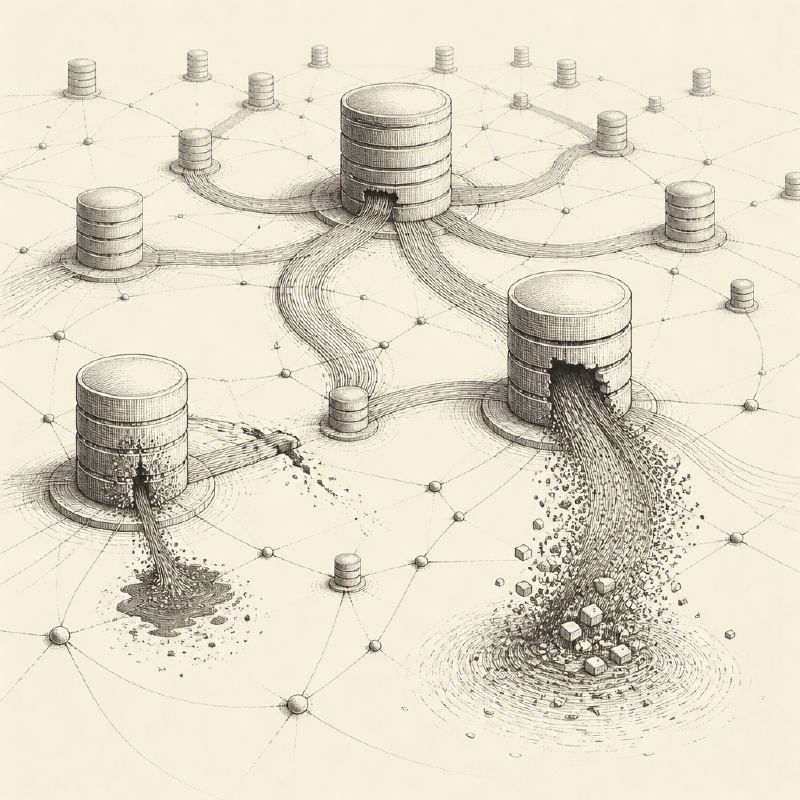
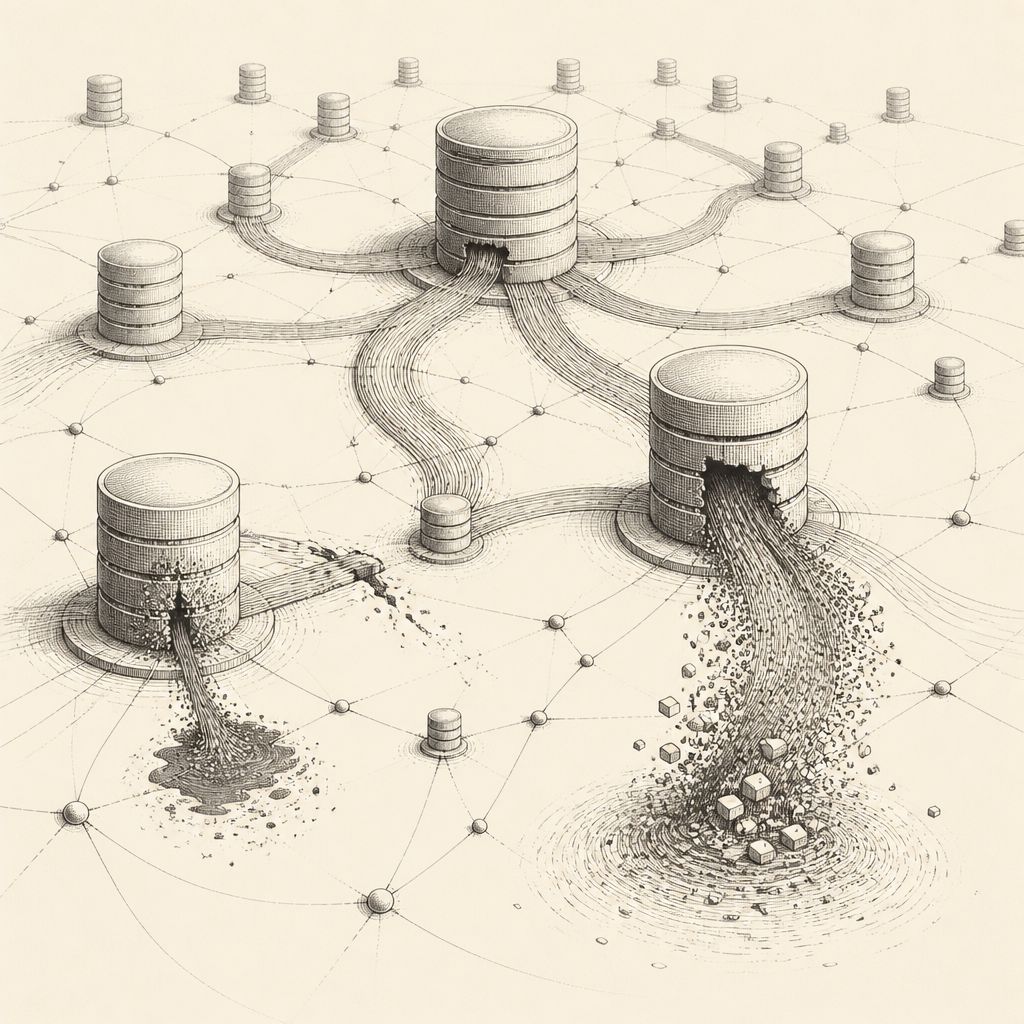
Researchers have uncovered two massive, unsecured databases containing a staggering amount of personal data, highlighting ongoing risks associated with data exposure. The first database, discovered by security researcher Jeremiah Fowler, held nearly 2 billion login records. These records, spread across 8,471 folders, included email addresses, usernames, passwords, associated login URLs, browser cookies, session tokens, and other authentication data. Notably, some files were labeled by country, including the US, though the exact number of affected individuals remains unknown. The database also contained saved application credentials, browser data, device and operating system information, and logs that appeared to include autofill data and cryptocurrency wallet details. Adding to the concern, approximately 400,000 documents within this database seemed to originate from malware capable of creating detailed victim profiles, suggesting a potential link to infostealer campaigns.
Fowler reported that the database was accessible without any password protection, and its owner could not be identified. After notification, the hosting provider restricted public access, but the duration of the exposure and whether unauthorized parties accessed the data remain unclear. This incident underscores the pervasive threat of improperly secured data repositories that can aggregate sensitive information from various sources, making it a prime target for malicious actors.
A second, unrelated database was discovered by researcher Greg Pollock. This Elasticsearch server exposed approximately 259 GB of data pertaining to individuals in mainland China. Accessible without a password, its 99 indices contained nearly 1.64 billion records. This trove included names, national ID numbers, phone numbers, student information, and business registrations. Specifically, it held at least 840 million distinct national ID numbers and about 11 million student enrollment records, some of which linked a child's name to their school, class, and parent contact details.
This second database appears to have consolidated information from identity registration, education, telecommunications, payment, and business systems, potentially to create an illicit identity-lookup service. Pollock was unable to identify the operator of this database. During his investigation, the server became inaccessible, with indications pointing towards a ransomware or other destructive attack. However, the possibility of other copies of this data existing elsewhere remains a significant concern.
The implications of such widespread data exposure are severe. For individuals, compromised login credentials can lead to account takeovers, identity theft, and financial fraud. The presence of national ID numbers and student records increases the risk of sophisticated phishing attacks and long-term identity misuse. For organizations, such breaches can result in significant reputational damage, regulatory fines, and loss of customer trust.
To mitigate the risks associated with such breaches, users are advised to change affected passwords immediately, using a clean device to prevent further compromise. Signing out of all existing sessions is crucial, as session tokens can keep attackers logged in even after a password change. Running anti-malware scans is essential to detect and remove any infostealer infections. Prioritizing the security of critical accounts, such as email and banking, and enabling multifactor authentication are vital steps.
Furthermore, users should regularly review account activity and credit reports for any signs of misuse. The long-term nature of exposed personal details means vigilance is required. The discovery of these two databases serves as a stark reminder of the constant need for robust data security practices by organizations and heightened awareness among individuals about the potential for their information to be compromised.