
Trusted Vendors Become Attack Vectors, Threatening Enterprise Security
Enterprises face escalating risks as cybercriminals increasingly exploit trusted vendor relationships to infiltrate networks, overwhelming traditional security measures.
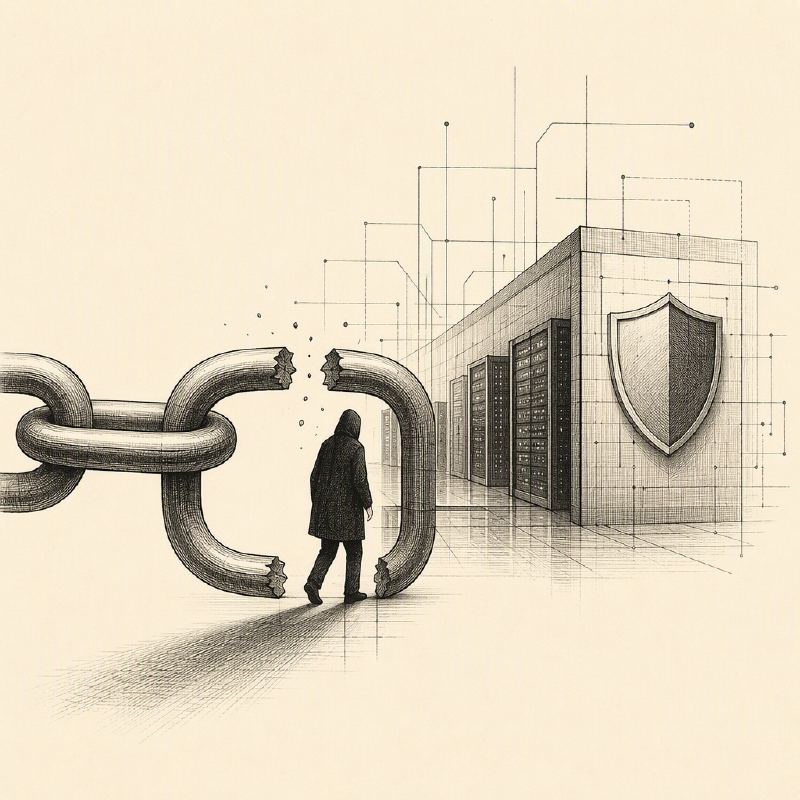

Large enterprises in the US and EU commonly rely on hundreds of third-party vendors, creating a vast attack surface where malicious activity can be hidden within legitimate communications and workflows. This reliance on trusted suppliers has become a prime target for sophisticated supply chain attacks, allowing threat actors to gain initial access and move laterally within minutes of compromise. The speed at which attackers can operate, often within 29 minutes, far outpaces the response capabilities of many Security Operations Centers (SOCs), leaving a critical window for damage.
The inherent challenge in combating these attacks lies in their ability to bypass conventional security controls. Compromised supplier accounts, the use of legitimate vendor domains, and the mimicry of familiar business processes make it difficult for traditional tools to distinguish between benign and malicious activity. This stealth allows attackers to operate undetected for extended periods, increasing the potential impact of a breach.
Furthermore, the growing complexity of vendor ecosystems means an exponential increase in the volume of data, links, and accounts that SOC teams must monitor. This expanded workload, coupled with often static analyst headcount, leads to alert fatigue and an inability to conduct thorough investigations, precisely the scenario exploited by attackers.
To combat these sophisticated threats, organizations are urged to equip their SOC teams with enhanced visibility and actionable intelligence. Interactive sandboxes, such as ANY.RUN, provide crucial behavioral evidence by dynamically analyzing files and links as they unfold. This allows analysts to observe redirects, credential harvesting attempts, and malicious process execution in real-time, offering the context needed for rapid and confident threat verification.
Beyond immediate threat verification, threat intelligence plays a vital role in detecting broader campaigns. By pivoting from a single suspicious indicator to connected infrastructure, attack patterns, and geographically relevant activity, SOC teams can identify wider supply chain operations. This intelligence allows for proactive defense and a more comprehensive understanding of the threat landscape, especially when tailored to specific industries or regions.
Scaling investigations without proportionally increasing SOC headcount is another critical objective. Solutions that provide structured reports, map activities to frameworks like MITRE ATT&CK, and deliver fresh threat intelligence directly into existing security tools can significantly reduce Mean Time to Respond (MTTR). By automating aspects of investigation and providing readily available data, security leaders can empower their teams to handle increased workloads more efficiently.
Ultimately, the goal is not to eliminate vendor relationships but to mitigate the risk they pose. By providing SOC analysts with the necessary behavioral evidence, comprehensive threat context, and timely intelligence, enterprises can shorten the detection and response cycle for supplier-borne threats. This proactive approach helps ensure that the trust placed in vendors does not become a critical business vulnerability.