
Trump Declares National Emergency to Secure U.S. Energy Infrastructure from Foreign Equipment
President Trump signed an executive order declaring a national emergency to prohibit foreign-produced equipment and software deemed a national security risk in the U.S. bulk-power system.
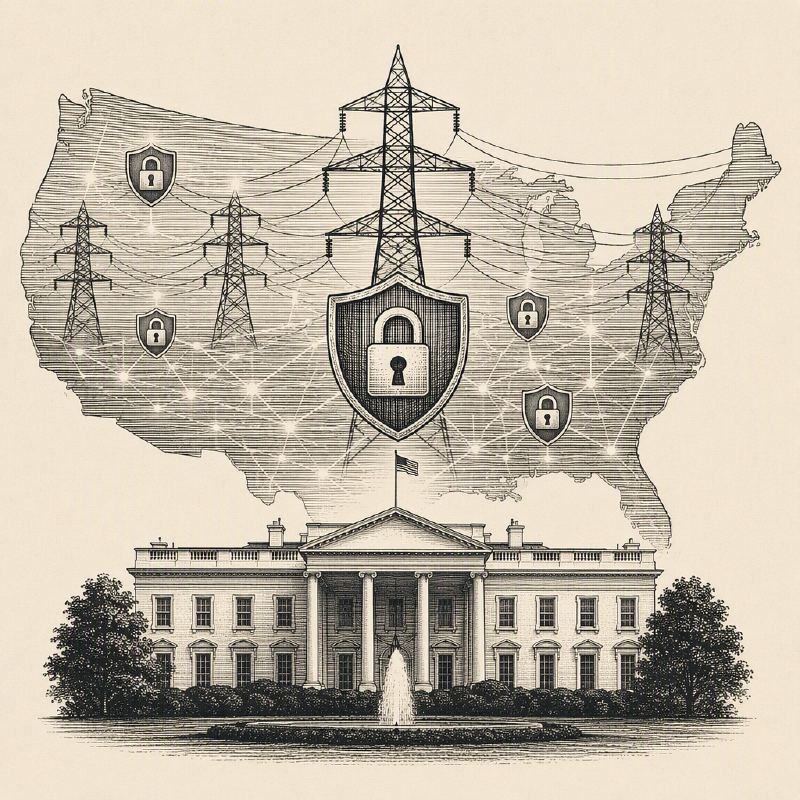
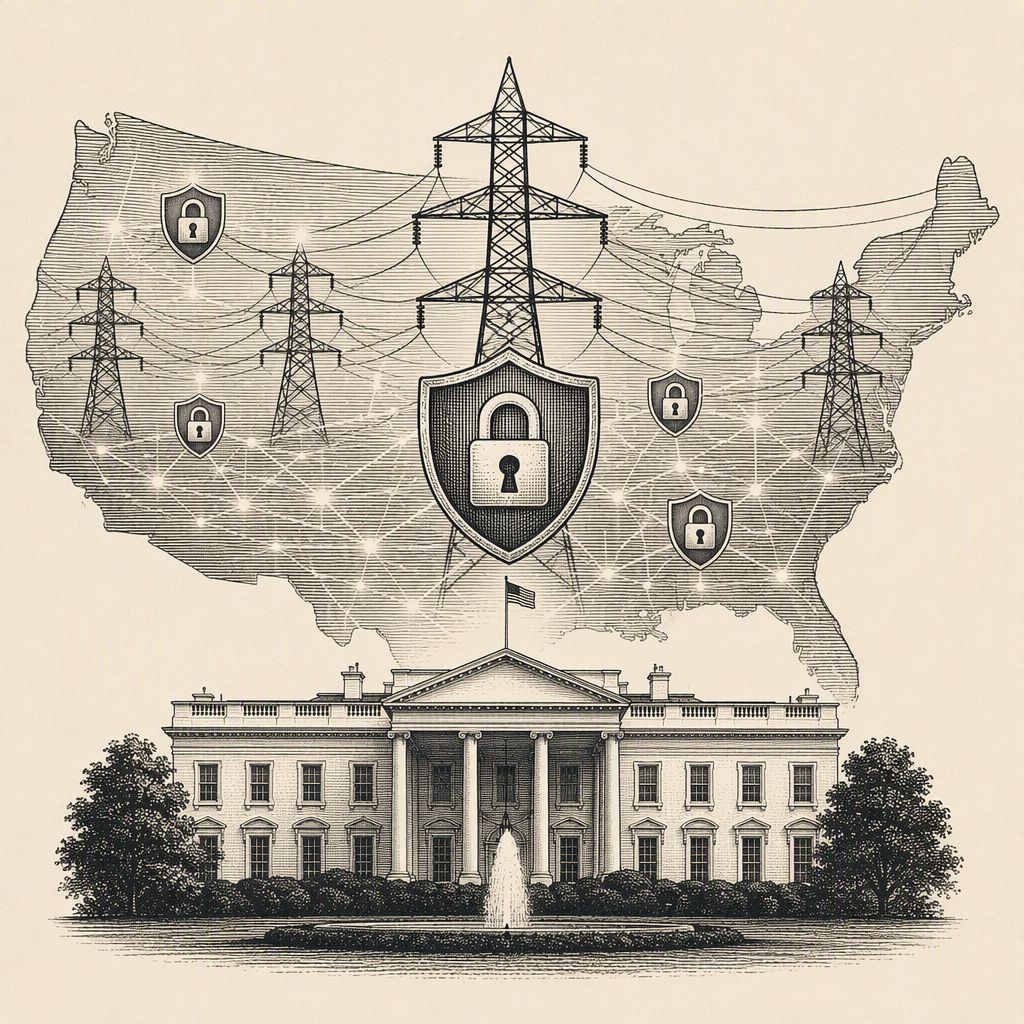
President Donald Trump has signed an executive order declaring a national emergency aimed at securing the United States' bulk-power system. The order specifically targets the acquisition, importation, transfer, or installation of foreign-produced equipment and software that poses a significant national security risk. This sweeping measure is a direct response to growing concerns over potential vulnerabilities and backdoors embedded in equipment manufactured by foreign adversaries, particularly China, within the nation's critical energy infrastructure.
The White House stated that the order "generally prohibits certain foreign-produced bulk-power system electric equipment, including associated critical software and digital capabilities that could pose cybersecurity or operational risks, from being purchased or installed in the United States, or appropriately conditions such purchases and installations to address those risks." This move signals a significant escalation in efforts to decouple U.S. energy systems from potentially compromised foreign technology.
The executive order, titled "Declaring a National Energy Emergency to Secure the United States Bulk-Power System," explicitly cites "malicious cyber activities" as a primary impetus. The document highlights that minimal restrictions on foreign-produced equipment have historically allowed foreign entities to create and exploit vulnerabilities, potentially enabling remote access through built-in digital backdoors. This concern is amplified by China's dominant role in global supply chains for critical components like solar production capacity and power transformers.
This is not the first time the Trump administration has sought to restrict foreign equipment in the energy sector. Near the end of his first term, a similar executive order was issued. However, the Biden administration suspended that order, citing a need for review, and subsequently revoked and replaced a related Energy Department order. Some utilities had previously found compliance with the 2020 executive order to be challenging.
The new order mandates that the Department of Energy, in consultation with other key federal departments, has 120 days to develop specific rules for its implementation. This timeline suggests a deliberate approach to crafting regulations that are both effective in mitigating risks and feasible for industry stakeholders.
The broader context for this executive order includes ongoing warnings from national security officials about the persistent threats to critical infrastructure. Earlier in 2026, then-FBI Director Christopher Wray testified before Congress, detailing how hackers had positioned themselves within small office and home routers, with the electricity grid identified as a potential target in the event of geopolitical conflict with China.
By declaring a national emergency, the administration is leveraging broad executive authority to address what it perceives as an imminent threat to national security. The focus on the bulk-power system underscores the critical nature of this infrastructure and the potential cascading effects of a successful cyberattack.
The directive aims to bolster the resilience of the U.S. energy grid against state-sponsored cyber threats and other malicious actors seeking to disrupt operations or gain strategic advantages through compromised technology. The coming months will be crucial as the Energy Department crafts the specific regulations that will govern the procurement and installation of equipment within this vital sector.
This executive order, EO 14420, specifically targets industrial control systems (ICS) and other electrical equipment used in the bulk power system, prohibiting transactions involving foreign-produced components deemed a national security risk. It expands on previous directives by explicitly covering transformers, inverters, energy storage systems, and associated firmware and software, while also allowing the Energy Department to mandate security controls for already installed equipment.
This new article from The Record specifies that the ban applies to components used to manage electricity and power, and explicitly mentions concerns over "certain foreign actors" exploiting vulnerabilities. While the existing story broadly covers a national emergency declaration for securing the bulk-power system, this adds detail on the specific types of components targeted and the stated rationale behind the ban, emphasizing potential cyber backdoors.