
Trail of Bits Warns of Security Risks in Uniswap v4 Hooks
Trail of Bits has identified critical security pitfalls in Uniswap v4 hooks, which can lead to significant financial losses if not properly secured by developers.
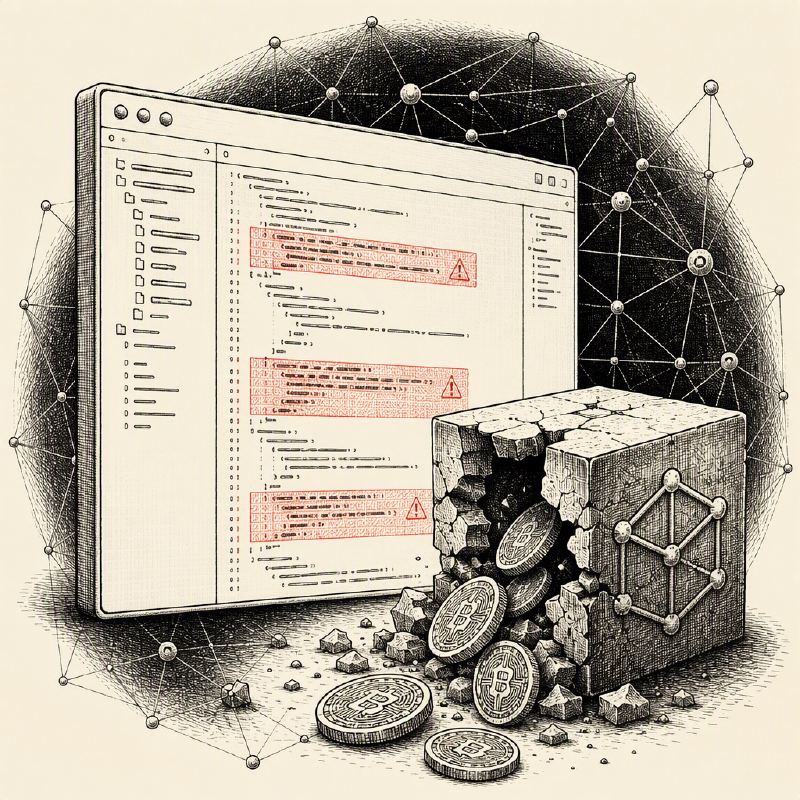
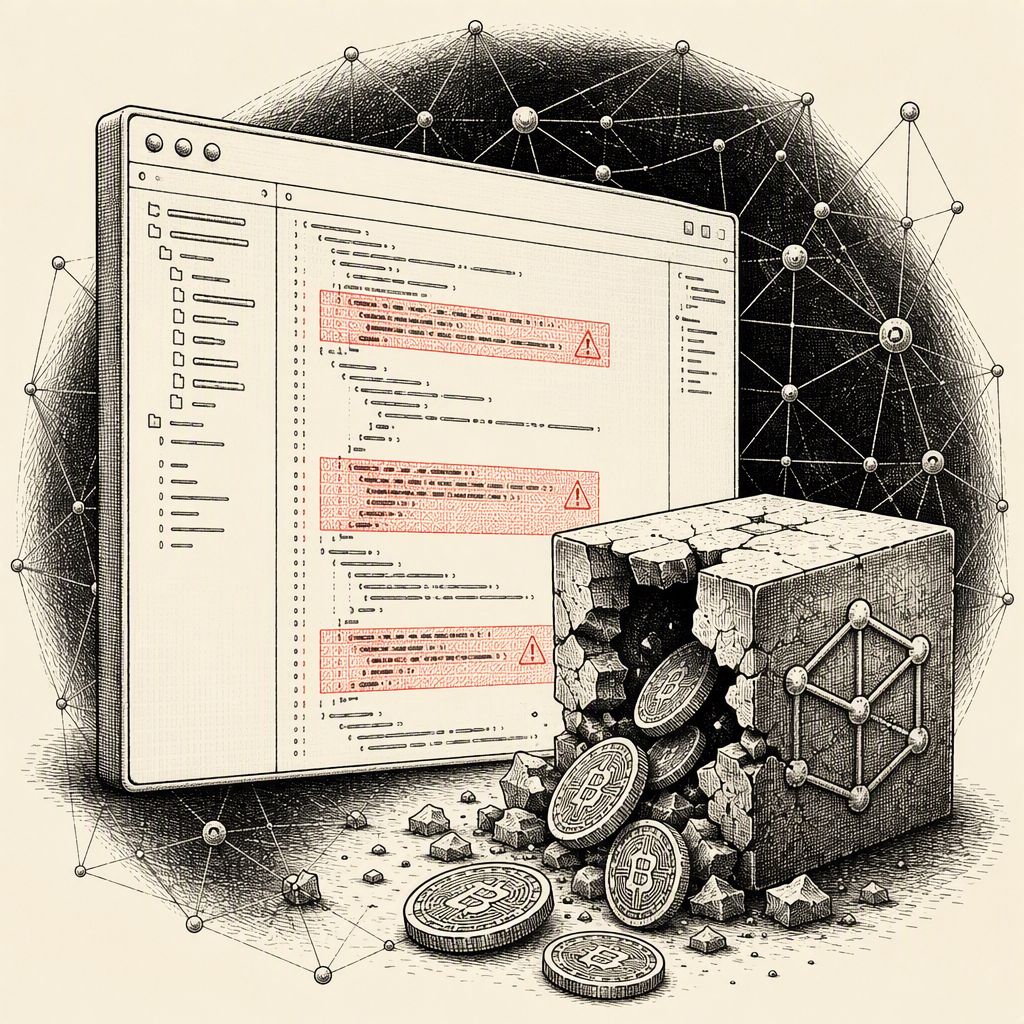
Decentralized finance (DeFi) protocols are constantly evolving, and Uniswap v4 introduces a new feature called "hooks" that allows developers to inject custom logic into trading pools. While this offers unprecedented flexibility for features like dynamic fees, custom accounting, and external integrations, it also shifts a significant portion of the security burden from the core protocol to the developers building these custom extensions. Trail of Bits, a prominent cybersecurity firm, has published a detailed analysis highlighting the potential dangers and common pitfalls associated with these hooks.
The firm's research points to two high-profile exploits, Cork and Bunni, which together resulted in over $20 million in losses. Crucially, these incidents were not due to flaws in the Uniswap v4 core protocol or its PoolManager contract. Instead, the vulnerabilities stemmed from application-specific authorization and accounting logic implemented within the custom hook code. This underscores the critical need for developers to rigorously secure their hook implementations, as they are now a primary attack vector.
Trail of Bits has identified seven recurring failure patterns observed across numerous audits and public reports. These patterns serve as a crucial checklist for developers and auditors alike. Among the most significant are missing caller checks, which can allow unauthorized entities to trigger sensitive hook functions, and accounting bugs that, despite satisfying the PoolManager's invariant checks, can still lead to value leakage. The PoolManager in Uniswap v4 acts as a central contract managing all pool states, a departure from Uniswap v3's per-pool contract model. This singleton design means that hooks are integrated directly into the PoolManager's lifecycle.
A key security consideration highlighted is the PoolManager's unlock() function. This function initiates a session, allowing a contract to perform operations, and then verifies that all currency deltas are settled to zero before finalizing. If this check fails, the transaction reverts. However, the callback execution within this session is where custom hook logic resides. If this logic is not properly secured, it can be exploited. For instance, a hook's unlockCallback function, if not properly restricted, could be called directly by an attacker, bypassing intended security controls.
One of the identified failure patterns is the lack of proper caller authentication. Hook callbacks are exposed as external functions, meaning that without explicit checks, any address can call them. This is particularly dangerous if these callbacks can influence critical operations like redemptions or fund transfers. The Cork exploit, which led to approximately $12 million in losses, is cited as a prime example where an access control gap in a callback function, combined with a pricing issue, allowed an attacker to drain funds.
Another critical vulnerability arises from treating any pool as legitimate. Uniswap v4's PoolManager allows for permissionless pool creation. If a hook does not validate the PoolKey provided during operations, an attacker can create a malicious pool with custom currency pairs and parameters. This can lead to attackers influencing per-pool data stored by the hook or exploiting interactions with custom ERC-20 tokens. The fix involves binding hooks to canonical pools or maintaining a strict allowlist, and re-validating the derived PoolId on every user-controlled path.
Custom accounting leaks are also a significant concern. A "delta" in Uniswap v4 represents a signed change in currency balance. Errors in handling these deltas, such as incorrect signs, rounding issues, or mixing balance buckets, can lead to silent value leakage. These bugs are particularly insidious because they can bypass the PoolManager's invariant checks, making them difficult to detect. Trail of Bits emphasizes that developers must meticulously validate all custom accounting logic to prevent such exploits.
In summary, while Uniswap v4 hooks offer powerful customization, they introduce complex security challenges. Trail of Bits' analysis provides a vital roadmap for developers and auditors, detailing common vulnerabilities and offering concrete mitigation strategies to prevent the kind of devastating financial losses seen in recent exploits. Adhering to these security patterns is paramount for building secure and trustworthy DeFi applications on Uniswap v4.