
TP-Link Kasa Smart Home Devices Vulnerable to Local Network Attacks
A critical vulnerability in TP-Link Kasa smart home devices allows local network attackers to disrupt functionality by intercepting, replaying, or forging commands.
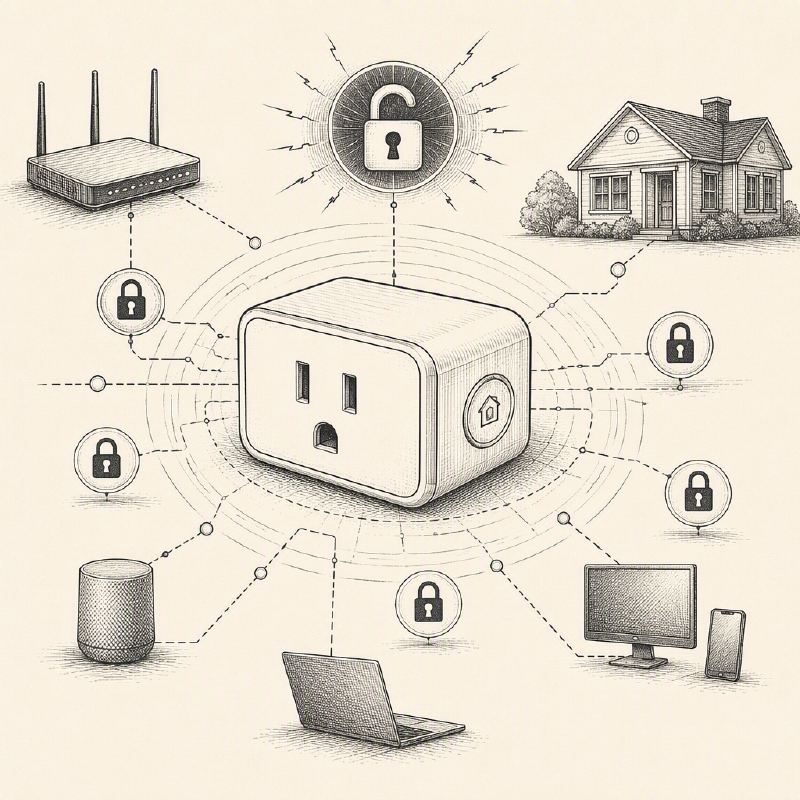
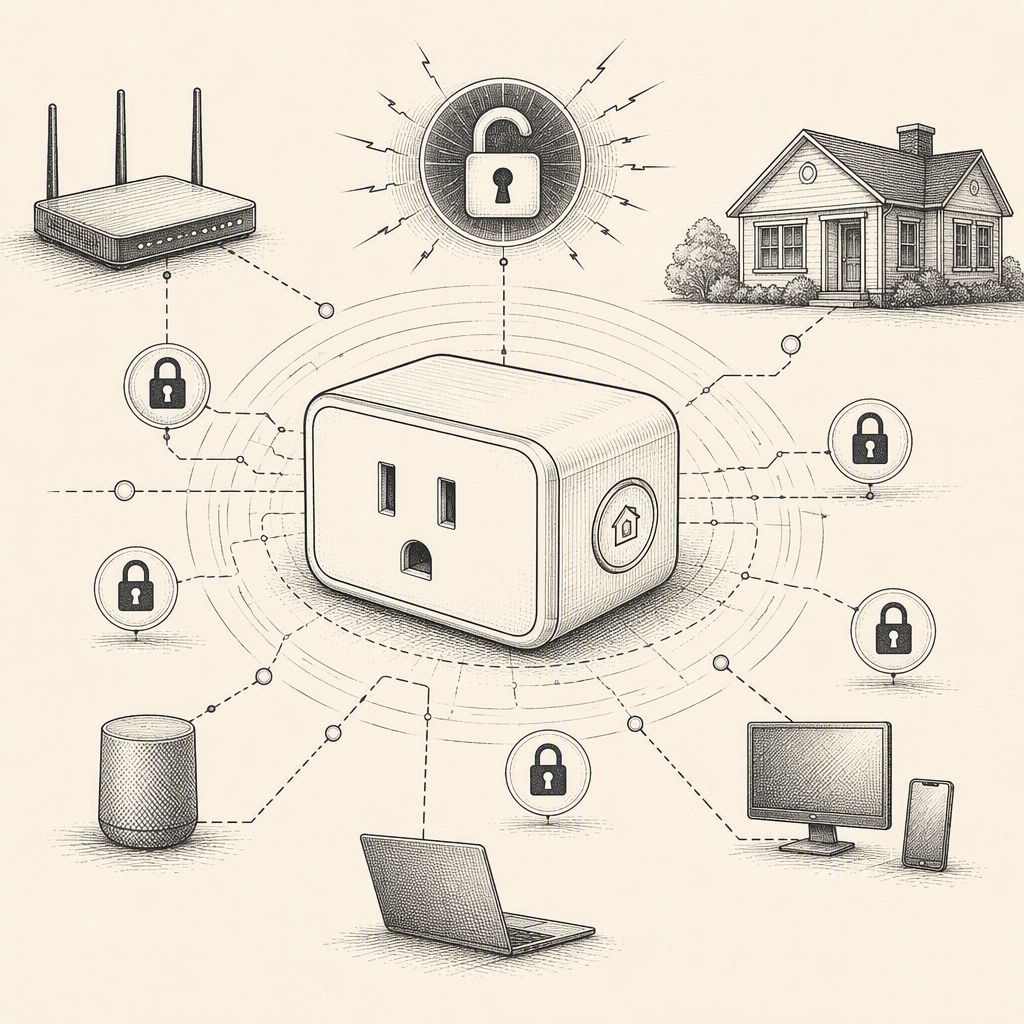
TP-Link has disclosed a high-severity vulnerability, tracked as CVE-2026-76784, affecting a range of its Kasa smart home devices. The flaw permits attackers who are present on the same local network to disrupt device functionality, potentially leading to unauthorized control, denial-of-service conditions, or altered device states. The vulnerability carries a CVSS v4.0 score of 8.7, classifying it as High severity.
The core of the issue lies in insufficient cryptographic protections within the local communication protocol used by these Kasa products. This weakness allows an attacker to intercept commands exchanged between the Kasa app and the smart devices, or between other local components. Due to inadequate safeguards for command integrity and authenticity, attackers can then replay previously valid commands or forge entirely new ones.
Exploitation does not require any special privileges, authentication, or user interaction, making it particularly concerning for environments where multiple users or devices share a network. This includes public Wi-Fi, compromised home networks, guest networks, or even enterprise settings where IoT devices might share network segments with more sensitive systems. The adjacent network requirement means an attacker must have a foothold within the target's local network.
Successful exploitation could enable an attacker to turn smart plugs, switches, and lighting products on or off without authorization. This could lead to practical disruptions such as turning off essential appliances, altering lighting schedules, or repeatedly sending commands to render a device unresponsive. The impact is significant for users relying on these devices for convenience, automation, or even basic functionality in homes, small businesses, and retail environments.
TP-Link has identified a broad list of affected products, including various models of Kasa smart plugs and switches such as HS103P3, HS103P4, EP10, EP25 V2, HS300 V2, KP303 V2, and others. The KL125 smart bulb is also listed among the vulnerable devices. The company has released specific firmware updates to address CVE-2026-76784 for these models.
Users are strongly advised to update their affected Kasa devices to the latest firmware versions. TP-Link provides these updates through their official Download Center and the Kasa Smart application. It is crucial for users to verify their specific hardware version and consult the provided firmware release notes to ensure they apply the correct update for their device model and regional variant.
Until firmware updates can be applied, TP-Link recommends that users isolate their IoT devices on a separate network segment or VLAN. Restricting access from guest Wi-Fi networks and actively monitoring devices for any unusual behavior are also advised as interim mitigation strategies. These steps can help reduce the attack surface and potential impact of exploitation.
This vulnerability underscores the ongoing security challenges associated with the Internet of Things (IoT) ecosystem, particularly concerning the security of local communication protocols. Even devices not directly exposed to the internet can pose significant risks if their internal communications are not adequately protected against local network threats.