
Top 10 Third-Party Risk Management Tools for 2026: Integration and Fourth-Party Visibility Key
A new ranking of Third-Party Risk Management (TPRM) tools for 2026 highlights the critical need for platforms that integrate continuous external ratings with internal control assessments and offer visibility into fourth-party risks.
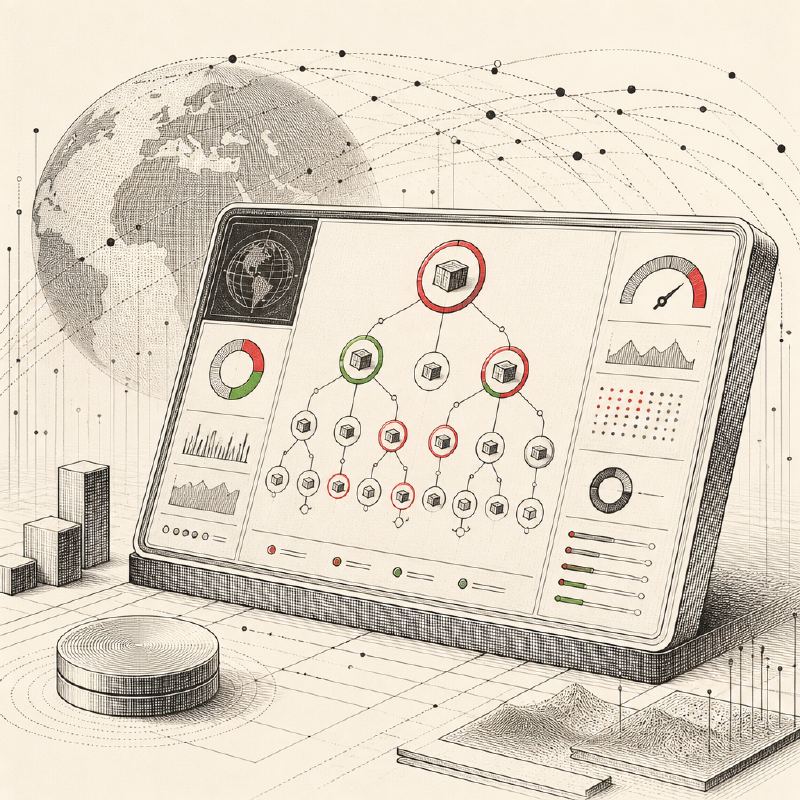
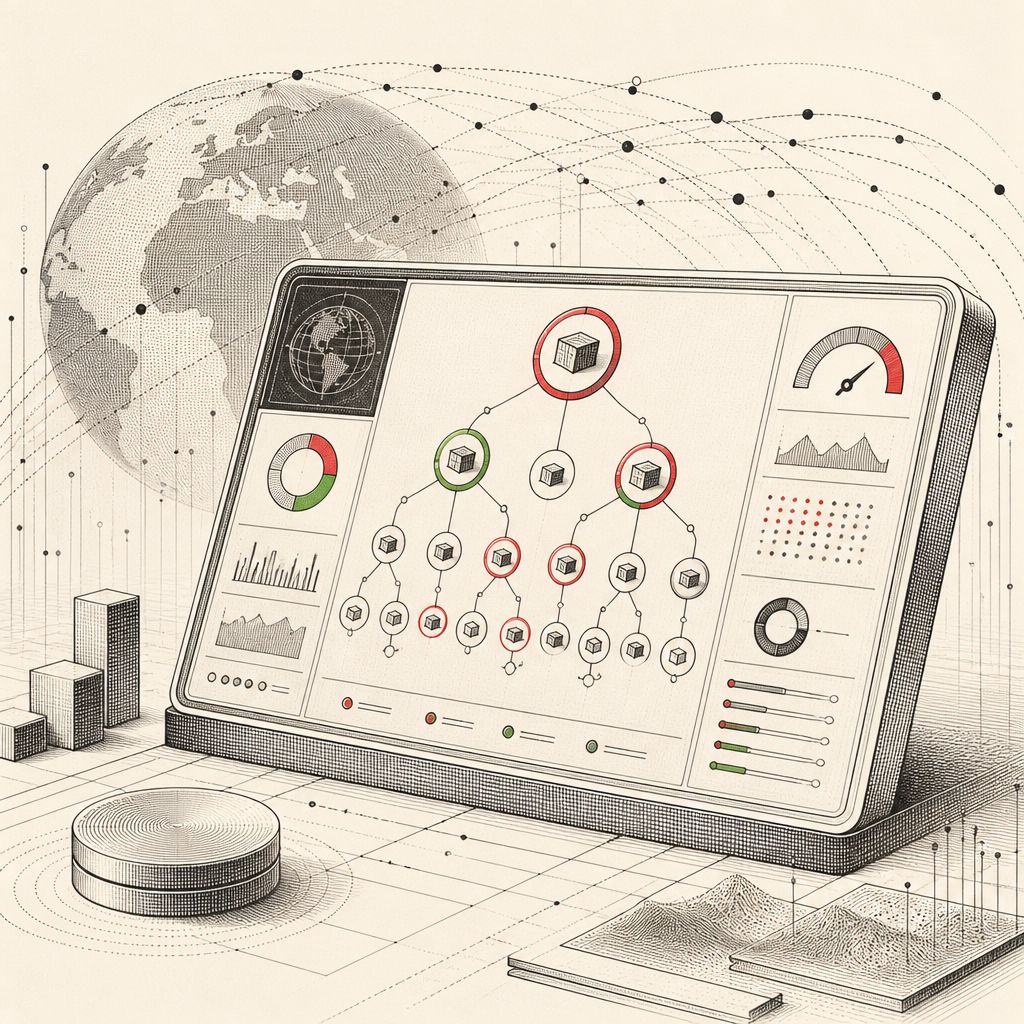
The landscape of Third-Party Risk Management (TPRM) is rapidly evolving, with 2026 rankings emphasizing tools that move beyond siloed approaches. The latest evaluations reward platforms that effectively fuse continuous outside-in security ratings with in-depth questionnaires, automating reassessment triggers to maintain an accurate view of vendor risk. This integrated approach is crucial as the attack surface expands beyond direct vendor relationships.
OneTrust has secured the top position in the 2026 rankings, primarily due to its robust integration with existing privacy and data mapping estates. This synergy allows organizations to contextualize vendor risk by understanding precisely what data each supplier touches, a capability that standalone TPRM tools struggle to replicate. The platform's ability to tie vendor inventories to data maps and leverage regulatory intelligence for assessment automation makes it a comprehensive solution.
SecurityScorecard and BitSight round out the top three, each excelling in different but complementary areas. SecurityScorecard is recognized for its continuous-signal fusion, seamlessly integrating its external ratings graph with TPRM workflows, offering real-time breach alerts and posture-drop triggers for automatic reassessments. BitSight, on the other hand, is lauded for its evidence-grade ratings spine, built on a decade of data correlated with actual incident history, providing a strong foundation for risk assessment and offering crucial fourth-party dependency mapping.
The "two-lens rule" is a central theme in this year's evaluation: external ratings alone are insufficient without understanding internal controls, and questionnaires quickly become stale without continuous monitoring. Modern TPRM platforms must therefore fuse both methodologies, employing automated triggers to ensure assessments remain relevant. This dual approach provides a more accurate and dynamic picture of an organization's extended risk posture.
A significant emerging trend highlighted in the 2026 TPRM analysis is the critical importance of mapping fourth-party concentration. The report identifies the sub-processors shared by an organization's top vendors as a major single point of failure. Understanding these indirect relationships is becoming a key differentiator for TPRM tools, offering a deeper level of insight into systemic risks that could impact an organization.
The methodology for scoring these tools was research-based, focusing on criteria such as assessment workflow depth, continuous monitoring fusion, exchange/network effects, scalability, fourth-party visibility, and pricing clarity. Weights were assigned to these criteria, with monitoring fusion and workflow depth receiving the highest allocations, reflecting their importance in modern TPRM strategies.
Other notable platforms in the top ten include ProcessUnity, praised for its workflow depth and integration with the CyberGRX exchange; Mitratech (Prevalent) for its managed assessment services; Panorays for its dual-lens efficiency; UpGuard for its mid-market bundle; ServiceNow for its workflow-native vendor risk module; and Whistic for its trust-sharing network play. Each of these tools offers distinct advantages catering to different organizational needs and scales.
Ultimately, the 2026 TPRM landscape is defined by the need for integrated, dynamic, and comprehensive risk visibility. Organizations must prioritize tools that not only assess direct vendor relationships but also provide deep insights into the complex web of fourth-party dependencies, ensuring a more resilient security posture in an increasingly interconnected digital world.