
Top 10 Software Supply Chain Security Tools for 2026 Ranked
A new ranking of the top ten software supply chain security tools for 2026 emphasizes Chainguard for its zero-CVE hardened images, followed by Sonatype and Snyk, highlighting the need for advanced strategies beyond static checklists.

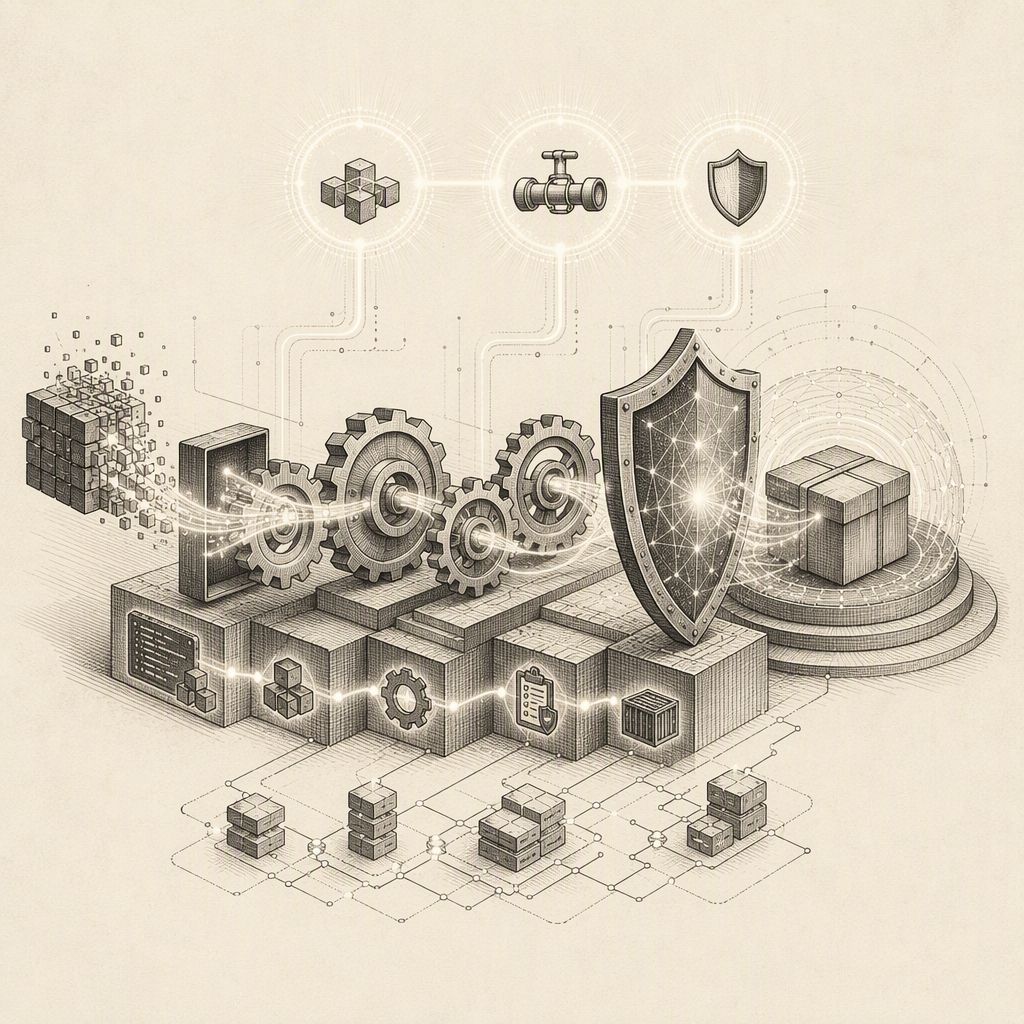
The landscape of software supply chain security is increasingly complex, with modern threat actors executing sophisticated attacks that target developer environments. A new analysis of ten leading tools reveals that no single vendor covers all four critical attack surfaces: dependencies, pipelines, artifacts, and base images. The evaluation, which scored tools based on surface coverage, prevention posture, provenance, and pricing, underscores the inadequacy of static checklists in safeguarding the modern software development lifecycle (SDLC).
Chainguard has emerged as the top performer, earning the highest score for its "eliminate-first" strategy. The company's approach focuses on providing zero-CVE hardened container base images, which are continuously rebuilt, cryptographically signed, and include SBOMs. This strategy aims to reduce the attack surface before deployment, effectively eliminating vulnerabilities at the source rather than relying on triage after the fact. Standout features include FIPS variants and native provenance, though migration engineering and per-image economics are noted considerations.
Sonatype secures the second position with its "best ingestion control" strategy. By implementing Repository Firewall and Lifecycle policies, Sonatype aims to prevent malicious packages from entering the development pipeline. The company leverages industry-leading intelligence to identify and quarantine threats like typosquatted npm and PyPI packages before they can be installed or executed during the build process. Its deep research pedigree and ability to intercept threats at the repository door are key strengths.
Rounding out the top three is Snyk, recognized for its "best developer breadth." Snyk offers a comprehensive developer security platform that integrates seamlessly into git workflows, automating pull request fixes for open-source dependencies and providing remediation advice for base images and containers. Its platform's broad reach and focus on developer experience (DX) make it a strong choice for organizations prioritizing developer adoption and speed in their security practices.
Other notable tools in the ranking include Aqua Security for its cloud-native chain capabilities, leveraging the widespread adoption of Trivy and offering build-to-runtime governance. JFrog is highlighted for its artifact custody, providing signing and secure distribution directly from its Artifactory registry. Endor Labs stands out for its reachability triage, using function-level call graphs to identify only the vulnerable code that is actually invoked by application logic, significantly reducing alert noise.
Legit Security is recognized for its "factory integrity," focusing on securing the development environment itself. Cycode offers unity between pipeline and dependency management, while Anchore leads in the SBOM-first approach for open-source software. Palo Alto Networks rounds out the top ten with its CNAPP-contextualized chain security, integrating supply chain security within a broader cloud-native application protection platform.
The methodology for scoring emphasized research-based evaluations, with surface coverage weighted at 30%, prevention posture at 25%, provenance at 20%, pricing clarity at 15%, and ecosystem at 10%. The analysis explicitly excluded lab testing and paid placements, aiming for an objective editorial assessment of each tool's capabilities in addressing the evolving threats to software supply chains.