
Top 10 Single Sign-On (SSO) Solutions for 2026: Security Takes Center Stage
A 2026 review of Single Sign-On (SSO) solutions emphasizes security controls over convenience, highlighting phishing-resistant features and robust identity protection.
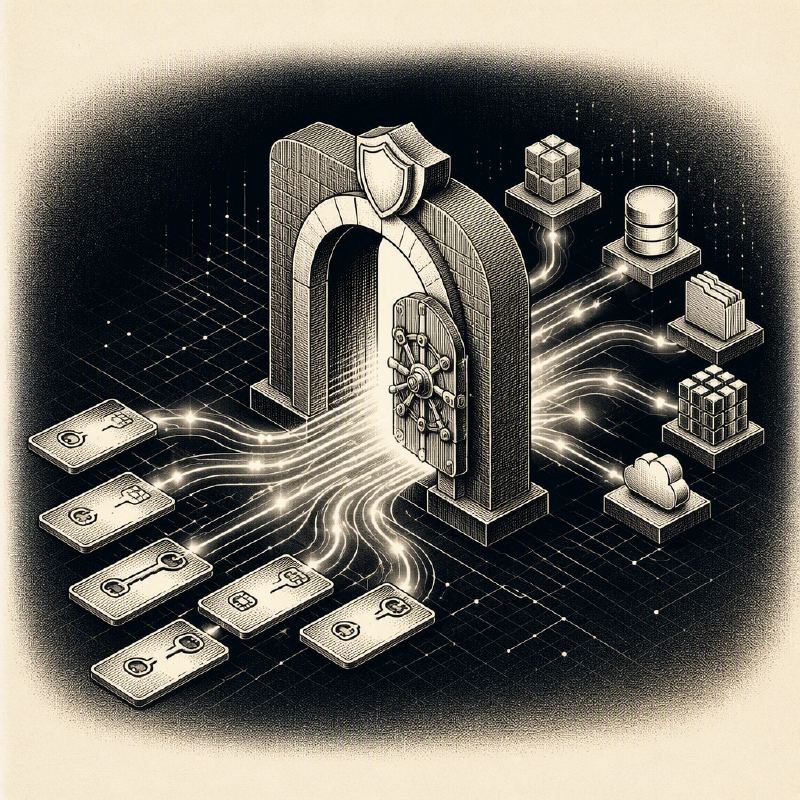
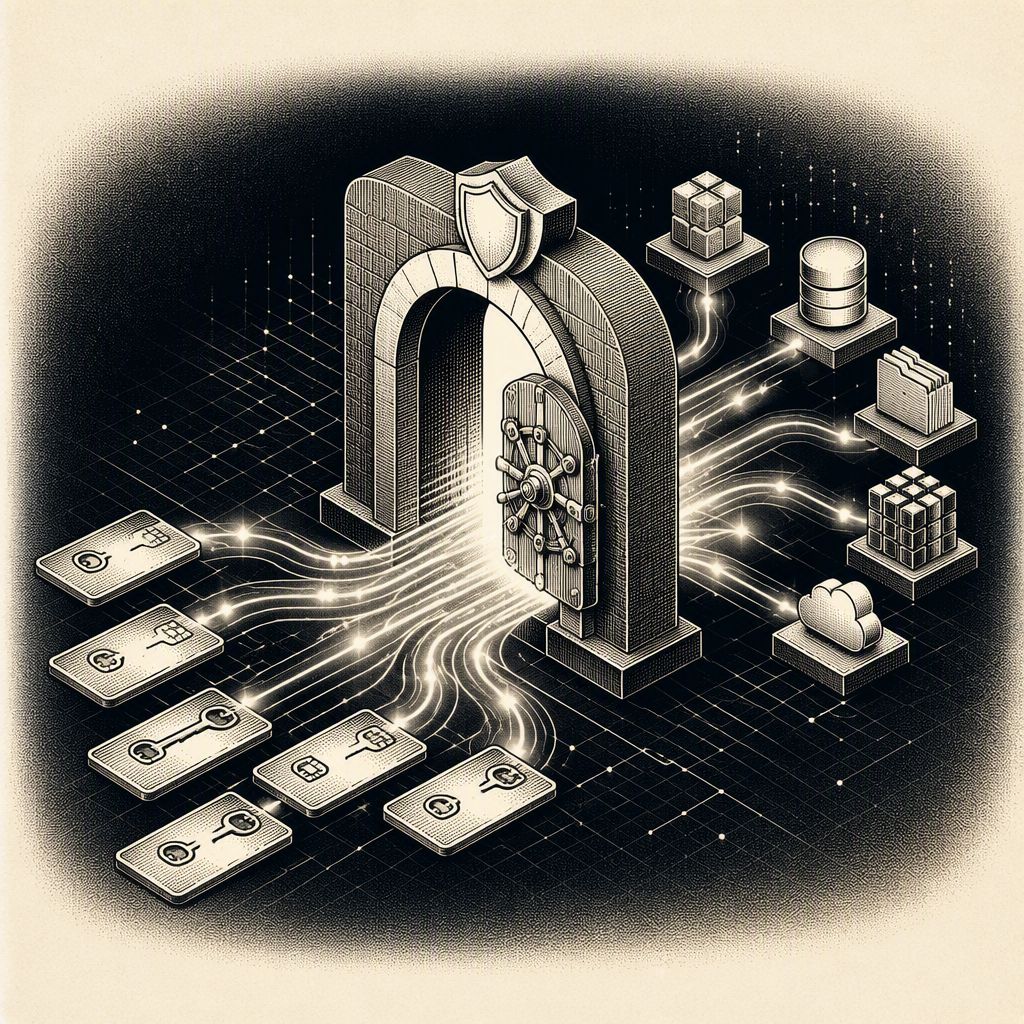
In 2026, Single Sign-On (SSO) has evolved from a convenience feature to a critical security control, now serving as a primary target for attackers seeking broad access. Threats like session-token theft, MFA-fatigue prompts, and session hijacking directly target the SSO layer, making its selection a paramount security decision. This year's market landscape is characterized by solutions that prioritize attack resistance, including phishing-resistant passkey/FIDO2 support, advanced session-token management, and rapid SCIM deprovisioning capabilities. The evaluation of SSO tools now begins with their ability to withstand sophisticated identity attacks, rather than solely their application integration counts.
The SSO market can be broadly segmented by organizational needs and existing infrastructure. Bundled platform solutions like Microsoft Entra ID and Google Cloud Identity are the default for organizations heavily invested in their respective ecosystems. Neutral catalog leaders such as Okta and Ping Identity cater to diverse SaaS environments and complex enterprise requirements. For small to medium-sized businesses (SMBs), unified solutions like JumpCloud offer directory, SSO, and device management in a single console, often with accessible free tiers. Additionally, options like Cisco Duo integrate SSO with best-in-class Multi-Factor Authentication (MFA), prioritizing authentication assurance.
Okta remains a benchmark for neutral SSO, boasting the market's largest independent app catalog with over 7,000 integrations. Its mature SCIM lifecycle automation, adaptive policies, and passkey support make it a strong choice for mixed-SaaS estates and organizations prioritizing vendor neutrality. While Okta's extensive ecosystem and lifecycle management are significant advantages, its premium per-user cost and a history of security incidents necessitate rigorous scrutiny of its hardening roadmap.
Microsoft Entra ID stands as the bundled juggernaut, offering seamless SSO to the Microsoft ecosystem and a vast application gallery. Its inclusion in most M365 licenses makes it the economically driven default for many organizations. Key features like Conditional Access risk policies and passkey support are readily available. However, its neutrality and ergonomics for non-Microsoft applications lag behind Okta, and the complexity of its tiered licensing can be a drawback.
For enterprises with highly complex and regulated requirements, Ping Identity, now unified with ForgeRock, offers enterprise-grade SSO. PingFederate's federation flexibility and DaVinci orchestration capabilities are designed for high-scale deployments in sectors like banking and government. While it provides unparalleled flexibility and deployment options, its inherent complexity and cost make it best suited for large enterprises rather than smaller organizations.
In the mid-market, OneLogin, now part of the One Identity portfolio, provides a solid SSO solution with adaptive authentication and SCIM provisioning at approachable pricing. Its integration within the broader One Identity ecosystem, which includes AD, IGA, and PAM solutions, offers significant synergy for buyers. While it offers good value and portfolio integration, its standalone innovation pace may not match that of the market leaders.
JumpCloud emerges as a compelling all-in-one solution for SMBs, unifying directory services, SSO, and device management across Windows, macOS, and Linux. Its ability to replace traditional Active Directory for smaller teams, coupled with a generous free tier, makes it an effortless starting point. However, its enterprise governance capabilities have ceilings, and its application catalog is smaller than that of the leading SSO providers.
Cisco Duo distinguishes itself by pairing its renowned MFA capabilities—including device trust and phishing-resistant options—with a clean SSO experience. It is the preferred choice when authentication assurance and device posture checks are paramount, rather than sheer catalog size. While its MFA and device trust features are top-tier, its application catalog and lifecycle management depth trail behind Okta and Entra ID.
The selection of an SSO solution in 2026 is fundamentally a security decision. Organizations must evaluate tools based on their ability to resist modern identity attacks, support phishing-resistant authentication methods, and provide robust controls for session management and user lifecycle. The solutions reviewed offer varying strengths, catering to different organizational sizes, technical requirements, and security postures, but all underscore the shift towards SSO as a foundational security pillar.