
Top 10 Sensitive Data Discovery Tools for 2026 Ranked
A 2026 ranking of ten sensitive data discovery tools highlights BigID, Varonis, and Cyera for their strengths in identity correlation, access analytics, and agentless cloud coverage, respectively.
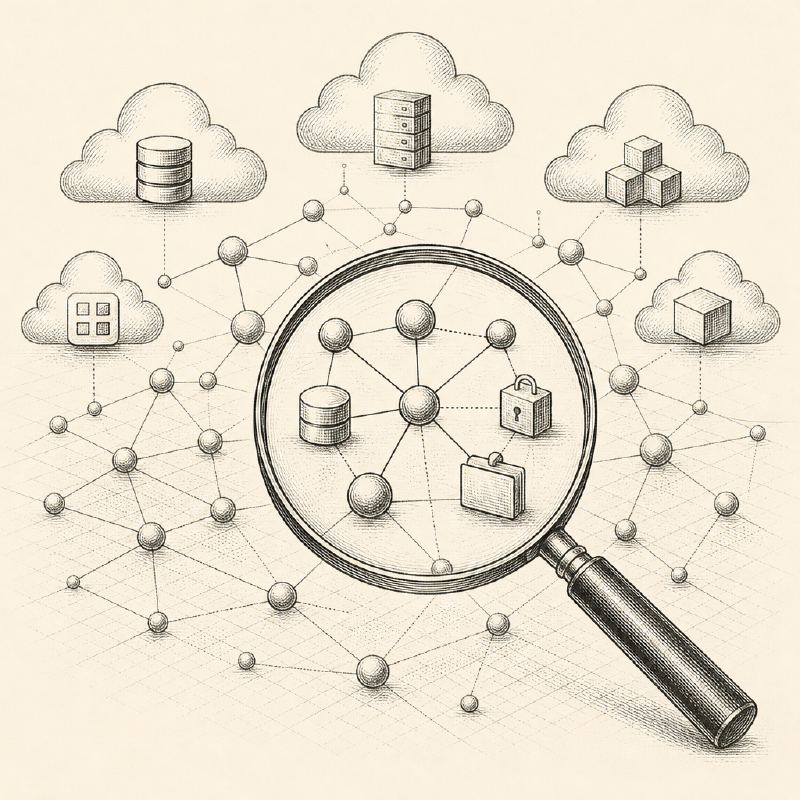
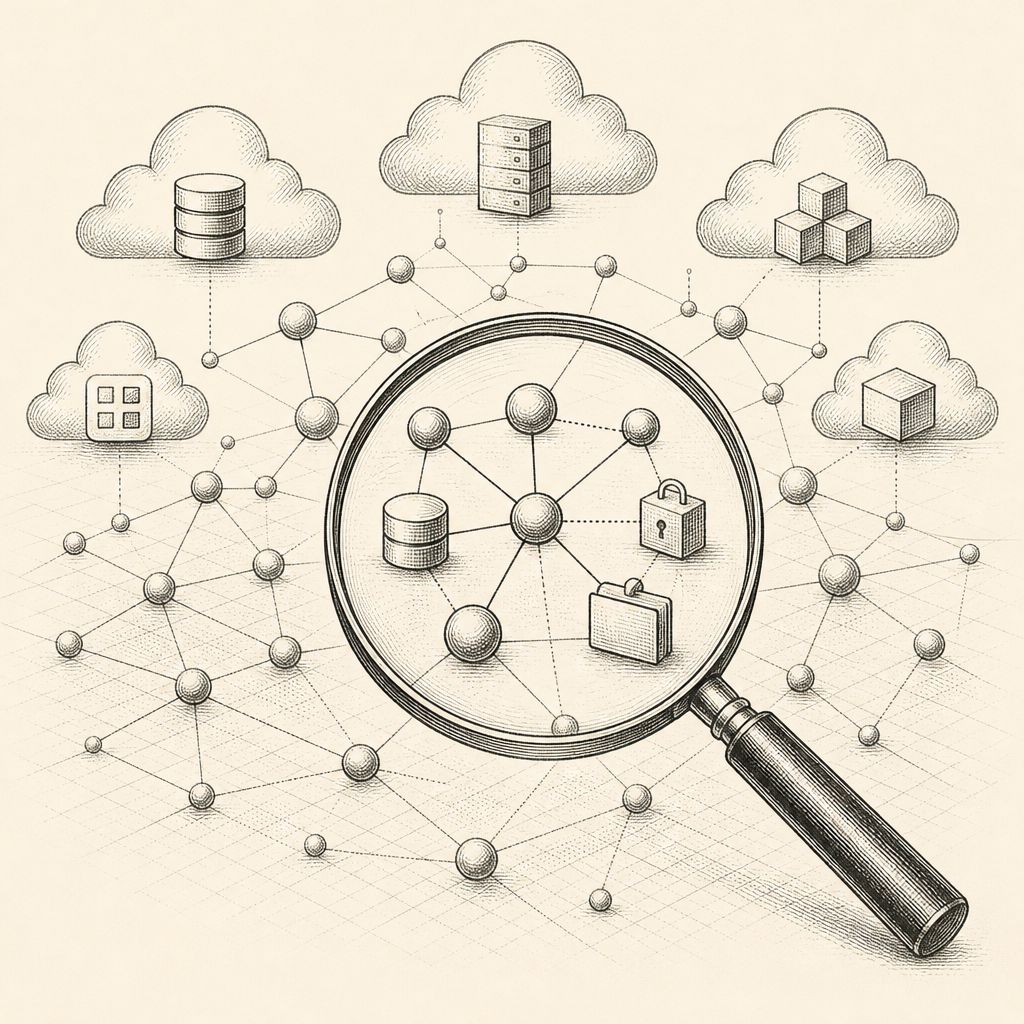
The landscape of sensitive data discovery has become increasingly complex in 2026, driven by the proliferation of shadow data across SaaS platforms and AI pipelines, and the critical need to accurately identify data ownership for regulatory compliance. A new report ranks ten leading tools, emphasizing depth of coverage, scan economics at scale, and the ability to correlate data with its owner.
BigID has secured the top position, lauded for its unparalleled identity correlation capabilities. This feature is crucial for enterprises facing stringent regulatory requirements, enabling them to accurately fulfill Data Subject Access Requests (DSARs) and scope data breach notifications. Its comprehensive coverage across structured and unstructured data, coupled with cluster analysis for duplicate data, makes it the inventory of record for organizations with significant regulatory exposure.
Varonis follows closely, earning accolades for its integrated approach that fuses data classification with access analytics. By analyzing permissions and user activity alongside sensitive data findings, Varonis prioritizes risks by highlighting data that is both sensitive and overexposed, often with active user access. This allows for automated remediation to enforce least-privilege access, moving beyond mere detection to active security.
Cyera rounds out the top three with its agentless, API-driven discovery engine designed for cloud-native environments. It offers rapid coverage across cloud and SaaS platforms, with a particular focus on detecting shadow data—unregistered copies, forgotten snapshots, and rogue data stores. Its speed and modern user experience make it a strong contender for organizations grappling with cloud-shaped data sprawl.
Microsoft Purview is recognized for its strong performance within the Microsoft ecosystem, offering native discovery capabilities for M365 environments. Its integrated classifiers and trainable models provide discovery as a configuration option, extending to Azure and multicloud sources via the Purview Data Map. While its effectiveness diminishes outside the Microsoft sphere, it serves as a foundational layer for many enterprises.
Other notable tools include Sentra, praised for its comprehensive discovery-to-security platform integrating DSPM and access governance; Concentric AI for its semantic, meaning-based discovery; and Netwrix Endpoint Protector for endpoint data discovery and remediation. Immuta and OneTrust are highlighted for their strengths in warehouse policy discovery and privacy workflow integration, respectively, while Ground Labs is noted for its compliance scanning specialization.
The scoring methodology for this ranking prioritized accuracy and identity correlation (30%), coverage breadth (25%), shadow data detection (20%), scan economics (15%), and pricing clarity (10%). The evaluation focused on research-based assessments of detection approaches, identity correlation, estate coverage, shadow data capabilities, and remediation hooks, excluding lab testing and paid placements.
The report underscores that in 2026, effective data security hinges on an accurate and trusted inventory. The challenge is amplified by the dynamic nature of data, with copies proliferating in SaaS applications, AI training sets, and unmanaged cloud storage. Tools that can not only find sensitive data but also definitively link it to its owner and associated access controls are paramount for compliance and risk mitigation.