
Top 10 Device Control & USB Security Tools for 2026 Evaluated
A new evaluation ranks the top 10 device control and USB security tools for 2026, assessing their effectiveness in preventing malware and data exfiltration.
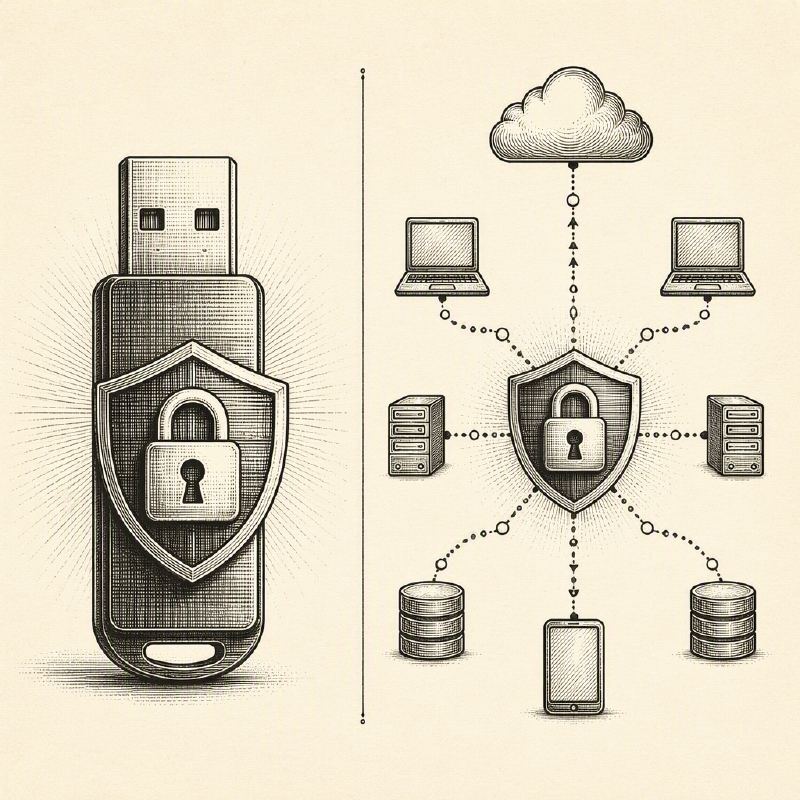
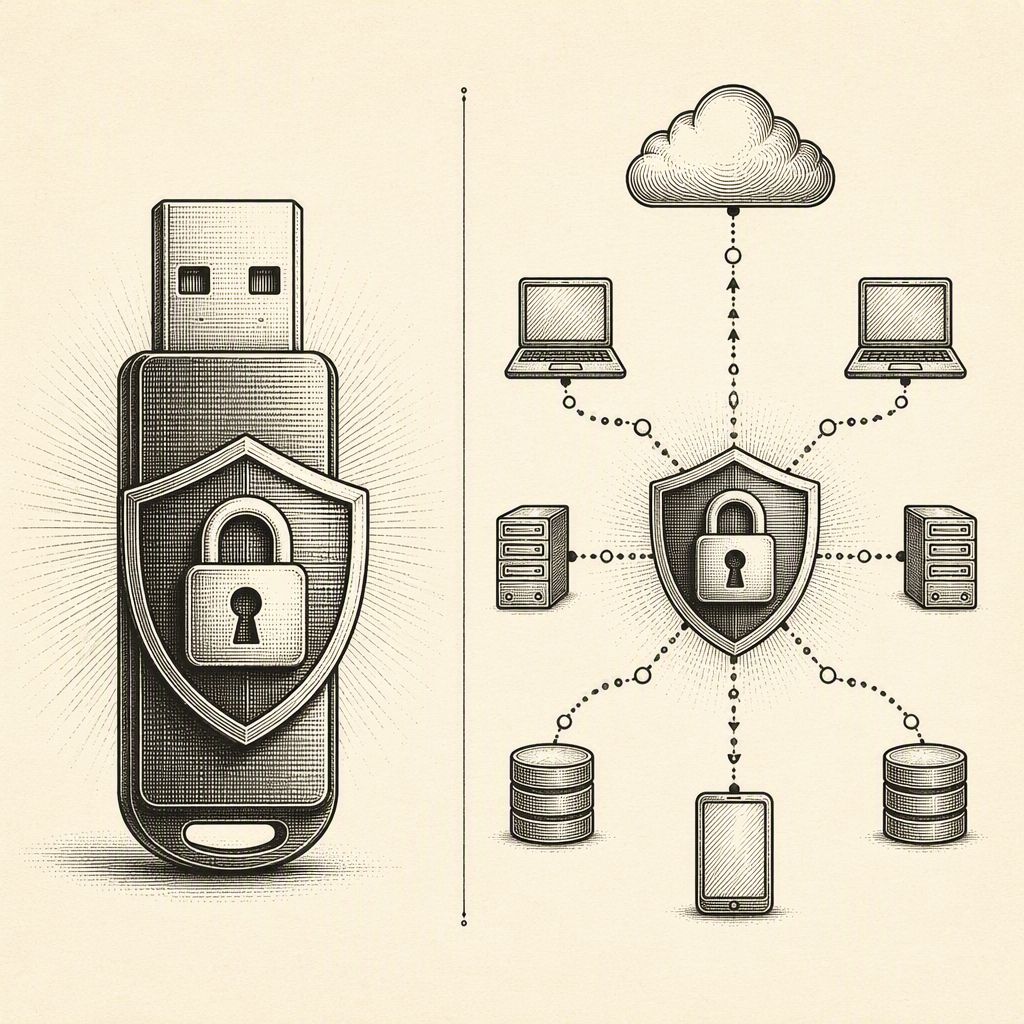
USB ports continue to represent a significant security risk, serving as conduits for both malware ingress and sensitive data exfiltration. Effective device control is paramount for organizations aiming to prevent unauthorized data transfers and maintain robust Zero Trust Architectures. This year's evaluation highlights tools that offer granular control over peripheral devices, ranging from blocking specific device classes to enforcing encryption on data leaving the network.
The 2026 Device Control Scorecard, based on editorial assessments rather than lab testing, evaluated tools across several key criteria: control granularity, platform coverage, Data Loss Prevention (DLP) integration, operability, and overall value. Safetica emerged as a top contender, scoring 8.9, largely due to its strong DLP integration and comprehensive feature set. Ivanti's DeviceLock followed closely with an 8.1, lauded for its unparalleled granularity on Windows systems, while DriveLock secured an 8.0, noted for its suitability for European compliance needs.
Safetica, now part of Netwrix, combines robust device control with broader DLP capabilities, allowing for content-aware protection of sensitive data moving through removable media. Its strengths lie in granular USB and peripheral controls, device blocking, and activity monitoring. However, its extensive DLP functionality can introduce complexity in deployment and policy management.
Ivanti's DeviceLock, a long-standing player in the market, offers deep, granular control over Windows channels, including clipboard and printing, and supports serial-level device rules. While its Windows capabilities are unmatched, its macOS and Linux support lags behind competitors like CoSoSys. The vendor's presence in the CISA Known Exploited Vulnerabilities (KEV) catalog also necessitates thorough vendor security due diligence.
DriveLock, a German specialist, excels in pairing device control with application control and BitLocker management. It aligns well with European data governance standards and offers strong reporting for GDPR compliance. Its primary trade-off is a narrower ecosystem and a smaller presence outside of Europe.
Other notable tools include ManageEngine's Device Control Plus, recognized for its value and a free tier for smaller organizations, and Trellix's offering, which integrates seamlessly within its broader DLP suite. Sophos Central Peripheral Control is highlighted for its simplicity and ease of use for existing Sophos customers, requiring no additional agent.
The evaluation also noted important ownership changes. CoSoSys Endpoint Protector is now under the Netwrix umbrella following an acquisition, and Digital Guardian is part of Fortra. These consolidations can impact purchasing decisions and negotiations for organizations evaluating these solutions.
Ultimately, the choice of a device control tool depends on an organization's specific needs, platform requirements, and existing security infrastructure. Factors such as the required level of granularity, the importance of cross-platform support, and the need for integrated DLP capabilities all play a crucial role in selecting the most effective solution for preventing malware and safeguarding sensitive data.