
Top 10 Container Registry Security Tools for 2026: Market Maturation and Open-Source Strength
A new evaluation of container registry security tools for 2026 highlights a maturing market with strong open-source options like Harbor and Anchore's Grype/Syft, alongside commercial platforms focusing on enforcement and developer workflow.
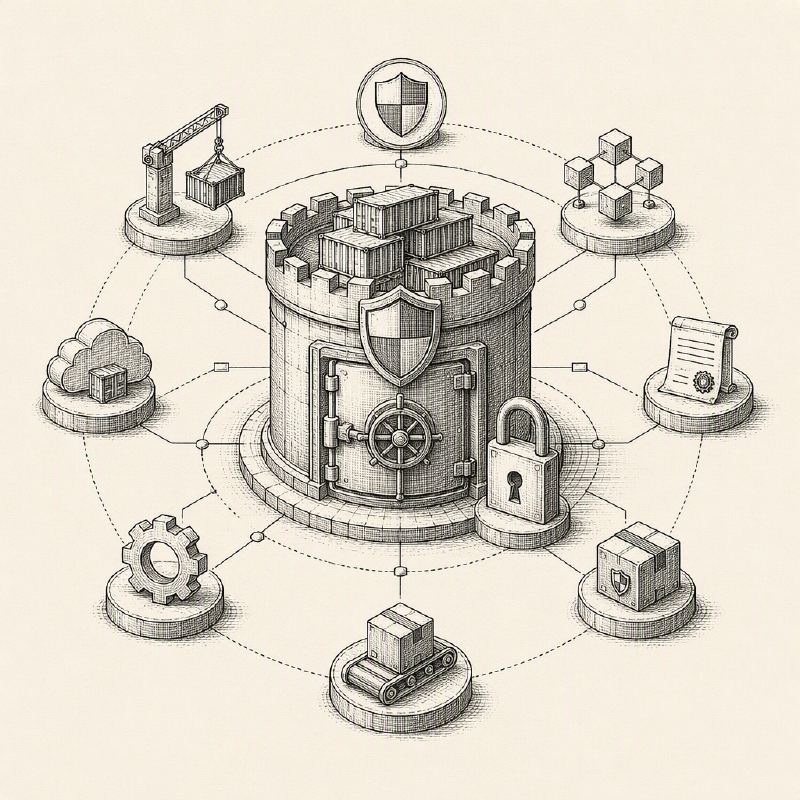
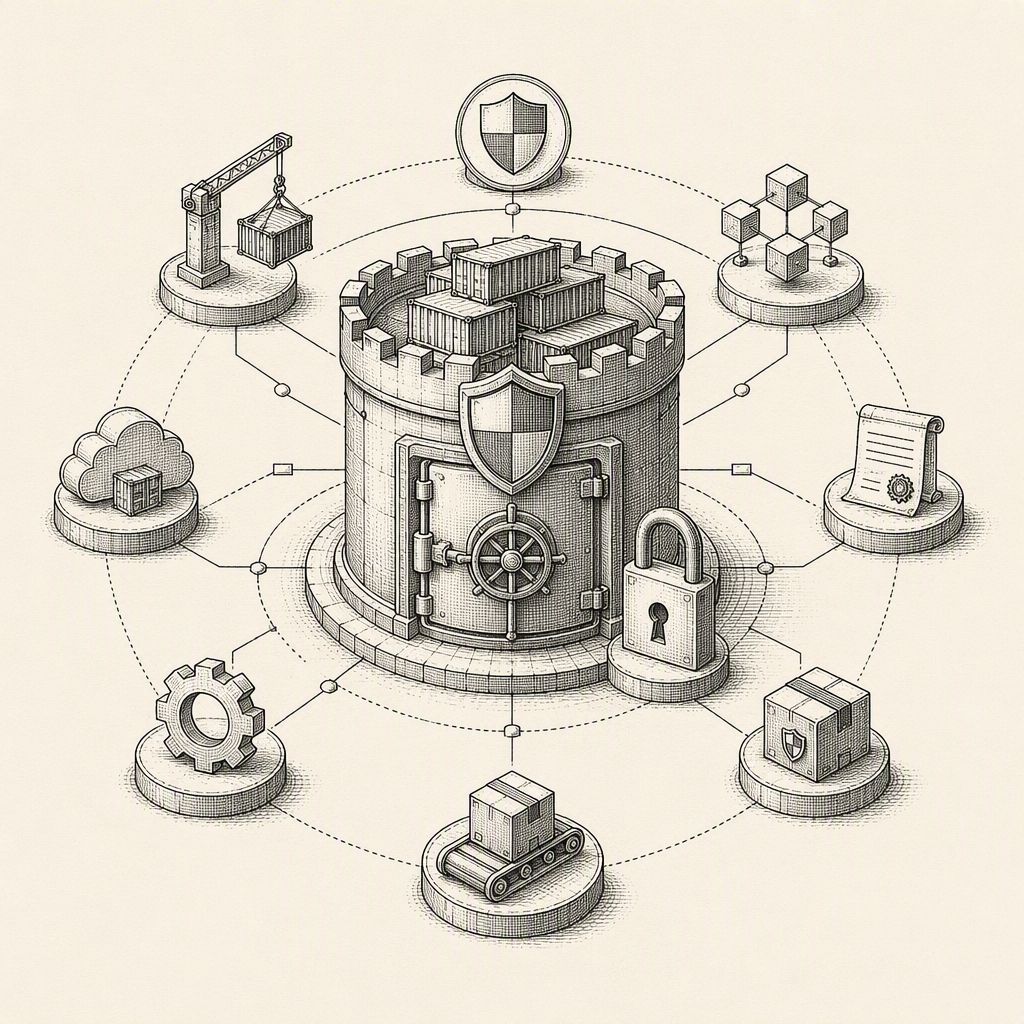
The landscape of container registry security has significantly evolved, with tools now offering robust capabilities in image scanning, Software Bill of Materials (SBOM) generation, and code signing. This maturation is largely driven by increasing compliance mandates, including federal SBOM requirements and the push for SLSA provenance, making these features essential rather than optional.
A recent evaluation of ten leading container registry security tools for 2026 underscores this trend. The analysis emphasizes that the container registry itself serves as a critical chokepoint for supply-chain security. The market now features a strong open-source foundation, with tools like Harbor and Anchore's Grype/Syft providing essential scanning and SBOM capabilities at no cost, making them attractive options for startups and smaller organizations.
Commercial platforms are competing on more advanced features, including deeper scanning, enhanced SBOM and provenance tracking, stricter policy enforcement, and seamless integration into developer workflows. Tools such as Aqua Security, Snyk, JFrog Xray, and Prisma Cloud offer comprehensive solutions for organizations requiring more advanced capabilities. These platforms aim to provide lifecycle security from build to production, addressing a wide range of risks from known CVEs and secrets to malware and license compliance.
The evaluation criteria weighted scanning depth (25%), SBOM and provenance capabilities (25%), enforcement mechanisms (20%), developer workflow integration (15%), and value and pricing clarity (15%). This multi-faceted approach provides a holistic view of each tool's strengths and weaknesses.
Among the top contenders, Aqua Security, known for its Trivy open-source scanner, offers a comprehensive platform with registry scanning, policy enforcement, and runtime protection. Snyk stands out for its developer-centric approach, focusing on actionable remediation advice to shift security left within CI/CD pipelines. JFrog Xray provides registry-native security for Artifactory users, while Sysdig prioritizes vulnerabilities based on whether they are actively in use during runtime, reducing alert fatigue.
Palo Alto Networks' Prisma Cloud integrates registry security within its broader Cloud-Native Application Protection Platform (CNAPP), offering extensive policy enforcement. Anchore, a steward of open-source SBOM and scanning tools, focuses on compliance and lifecycle management, particularly for organizations adhering to federal guidelines. Other notable tools include Red Hat Quay, Docker Scout, and Chainguard, the latter focusing on prevention through hardened images.
The report highlights that while open-source tools provide a solid baseline, commercial solutions offer deeper integration, advanced enforcement, and tailored workflows. The choice of tool often depends on an organization's specific needs, existing infrastructure (like JFrog Artifactory), and commitment to compliance frameworks.
Ultimately, the 2026 market for container registry security reflects a dynamic environment where foundational security is increasingly accessible, allowing commercial vendors to differentiate through advanced features, robust enforcement, and streamlined developer experiences, all aimed at securing the software supply chain.