
ToolHive Offers Open-Source Solution for Securely Running AI Model Context Protocol Servers
Stacklok releases ToolHive, an open-source platform designed to containerize and secure Model Context Protocol (MCP) servers, enhancing the safety of AI client interactions with external tools.
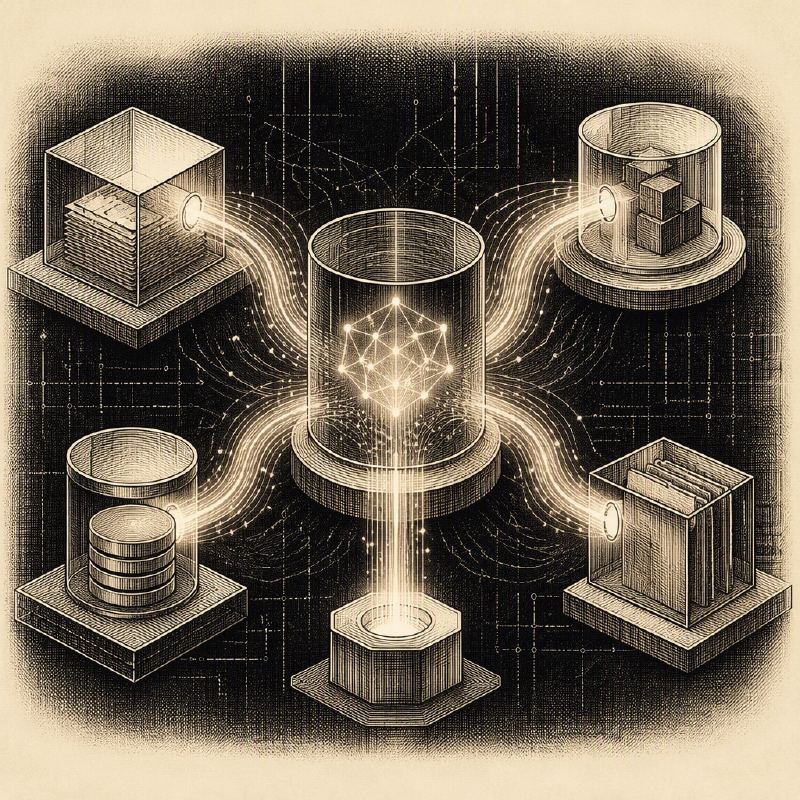
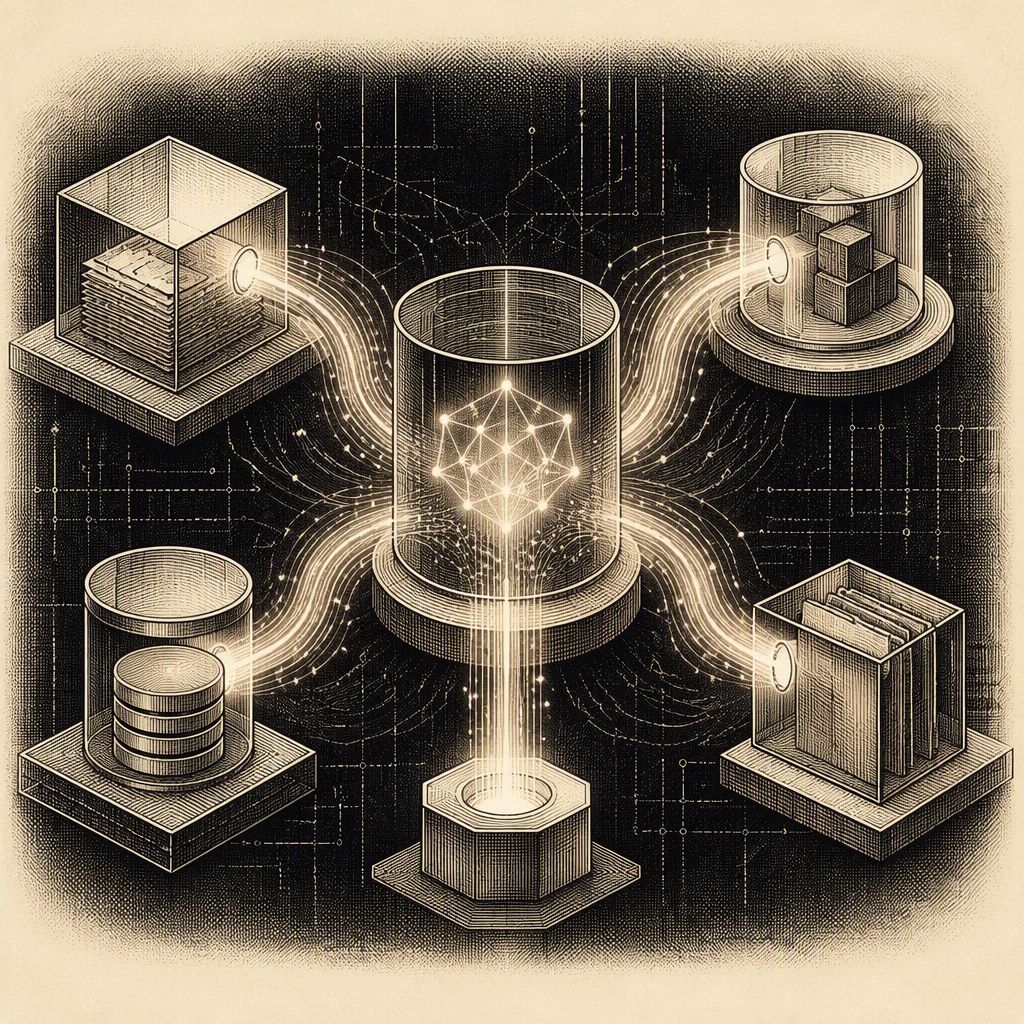
Stacklok has introduced ToolHive, a new open-source platform aimed at bolstering the security of Model Context Protocol (MCP) servers. MCP servers act as crucial intermediaries, enabling AI clients such as Cursor and Claude Code to interact with external tools. By releasing ToolHive under the permissive Apache 2.0 license, Stacklok provides a free solution for self-hosting the MCP server runtime, its Kubernetes operator, and its registry.
Traditionally, manually installed MCP servers reside directly on a machine, inheriting its credentials and network access. ToolHive fundamentally changes this paradigm by isolating each MCP server within its own container. This approach significantly reduces the attack surface by attaching minimal permissions and excluding local credentials from the containerized environment. When integrated with an authentication source, ToolHive enforces identity and access policies on a per-request basis, complete with detailed audit logs.
The ToolHive platform is comprised of four key components. The Runtime is the primary interface for users, responsible for running MCP servers within containers. It supports local deployments via Docker or Podman, as well as cluster-based deployments through its Kubernetes operator. Crucially, it enforces permissions, filters network traffic, and manages secrets for incoming requests. The Runtime can also containerize servers that were not originally designed with containerization in mind, pulling them directly from package managers.
Complementing the Runtime is the Registry Server, an administrative tool for curating the catalog of approved MCP servers for a team. This component adheres to the official MCP Registry API, signs servers to verify their authenticity, and ensures provenance. The Gateway, which Stacklok refers to as the Virtual MCP Server, offers a unified endpoint for multiple backends. It integrates with single sign-on solutions like OIDC or OAuth, and provides comprehensive observability through OpenTelemetry traces and Prometheus metrics.
The user-facing component is the Portal, designed to offer a more accessible experience. While a browser-based cloud UI is marked as retired, users can still leverage the desktop application and command-line interface (CLI) for managing and deploying servers. The Portal provides a catalog for browsing available servers and facilitates one-click installations, simplifying the adoption process for teams.
ToolHive addresses a critical gap in the operational security of MCP servers. While building an MCP server is relatively straightforward, managing their deployment, controlling their access, and auditing their activity has historically been a complex challenge. ToolHive's containerized approach provides a strong security boundary with minimal user effort. The platform's ability to integrate with existing identity providers and telemetry stacks further enhances its governance capabilities.
By deploying ToolHive, organizations can achieve a significant uplift in security posture for their AI integrations. The isolation provided by containers, coupled with robust identity enforcement and audit trails, helps mitigate risks associated with AI clients accessing external resources. This open-source solution empowers developers and security teams to manage these critical components more safely and transparently.
ToolHive is freely available on GitHub, offering a powerful and cost-effective way for organizations to enhance the security of their AI-driven workflows and tool integrations.