
ThreatsDay Report Uncovers Widespread NGINX Vulnerabilities, Malicious Extensions, and AI Server Hijacking
A new ThreatsDay report details critical cybersecurity risks, including over 10 million NGINX services potentially exposed, a surge in malicious browser extensions, and the hijacking of AI servers.
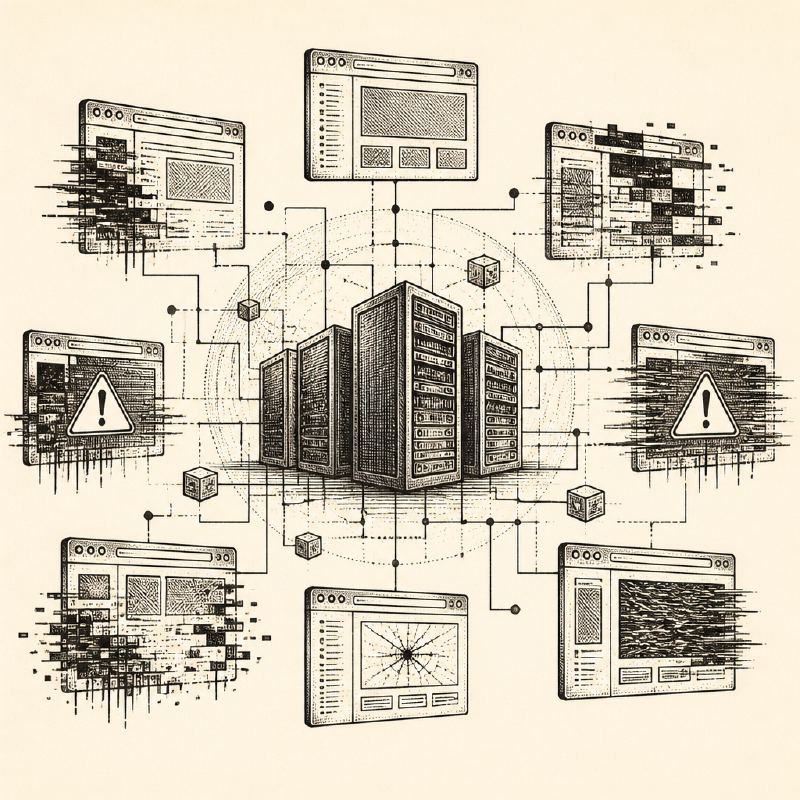
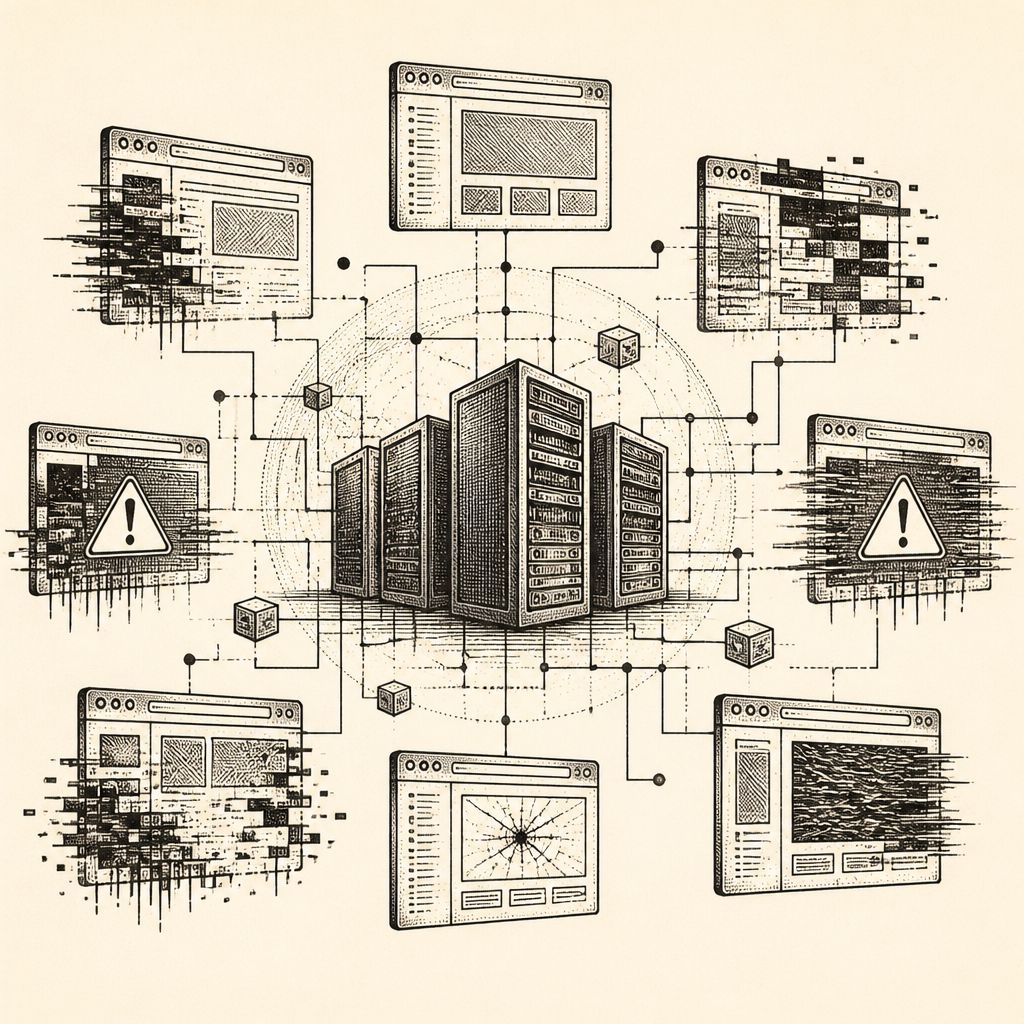
A recent ThreatsDay report has illuminated a broad spectrum of cybersecurity threats, highlighting significant risks to widely used technologies and emerging attack vectors. Over 10 million NGINX services are reportedly at risk due to unpatched vulnerabilities, potentially exposing a vast number of web applications and infrastructure to compromise. This widespread exposure underscores the persistent challenge of timely patching and vulnerability management in large-scale deployments.
Beyond infrastructure vulnerabilities, the report identifies a concerning proliferation of malicious browser extensions. More than 250 such extensions have been discovered, capable of subtly altering website appearances and, more alarmingly, stealing user credentials. These extensions often masquerade as legitimate tools, making them difficult for users to detect and avoid, thereby posing a direct threat to personal and financial information.
The report also delves into the growing threat of AI server hijacking, a phenomenon where attackers gain unauthorized access to AI infrastructure. This can lead to the abuse of computing resources for malicious purposes, such as cryptocurrency mining or training unauthorized models, with the costs falling on the legitimate owner. This emerging threat vector exploits the increasing reliance on and accessibility of AI services.
Further compounding the threat landscape, the report details how stolen credentials continue to be a primary vector for attackers. A notable incident involved Todoist, where an attacker used stolen credentials to access production systems, leading to the exfiltration of customer information. This breach highlights the cascading impact of credential theft, enabling attackers to move laterally and access sensitive data.
In the realm of AI-driven attacks, threat actors are leveraging platforms like Hugging Face's DeepSite to rapidly generate sophisticated phishing and credential-stealing pages. These AI-powered tools allow attackers to create convincing fake login pages for major brands in mere minutes, significantly increasing the scale and efficiency of phishing operations.
The report also touches upon the exploitation of blockchain technology for malware delivery, with a Java-based loader from SilentNet using smart contracts on the Polygon blockchain to obtain command-and-control addresses. This innovative use of decentralized technology by malware authors adds another layer of complexity to threat detection and response.
Finally, the ThreatsDay report touches on broader security trends, including the record-breaking $43.9 billion acquisition of Zscaler by CrowdStrike, signaling a major consolidation and strategic shift in the cybersecurity market, particularly in anticipation of AI's role in future security architectures. The findings collectively paint a picture of a rapidly evolving threat landscape where traditional vulnerabilities, sophisticated social engineering, and novel AI-powered attacks converge.