
ThreatsDay Bulletin Details CEO Phishing Kits, OAuth Traps, and 17 Other Cyber Threats
A new ThreatsDay report from The Hacker News outlines prevalent cyberattack vectors including sophisticated CEO phishing kits, compromised Dropbox accounts, and exploitable OAuth authorization flaws.
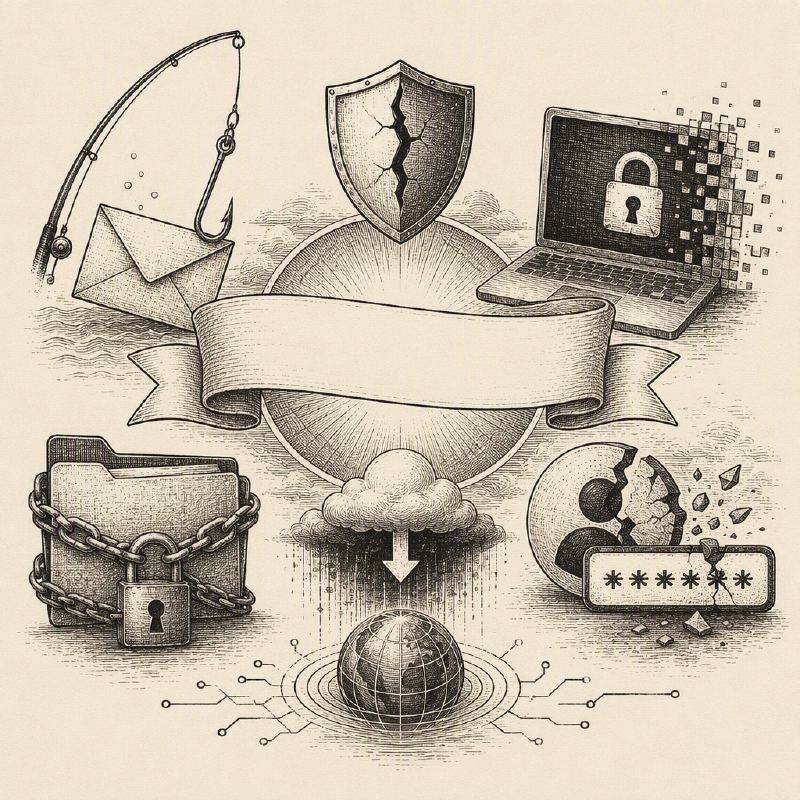
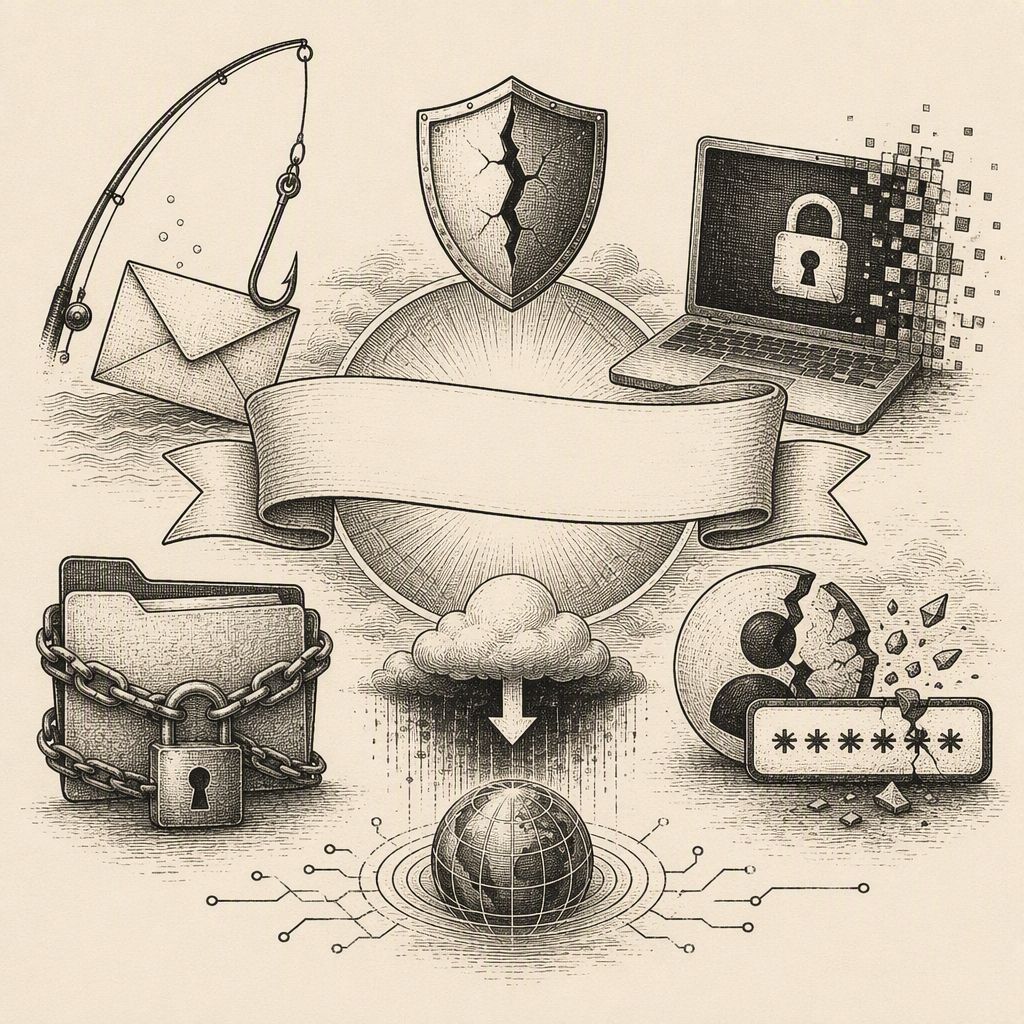
The latest ThreatsDay Bulletin, compiled by The Hacker News, shines a spotlight on a diverse array of cyber threats that continue to plague organizations and individuals. The report emphasizes how attackers increasingly leverage social engineering and seemingly legitimate requests to gain unauthorized access, often bypassing traditional security measures with ease. This edition highlights common attack vectors such as CEO phishing kits, compromised cloud storage accounts, and deceptive OAuth authorization traps, underscoring the persistent challenge of human error in cybersecurity.
One significant threat detailed involves Microsoft Teams abuse, where attackers impersonate IT or help desk personnel to socially engineer users into granting interactive remote sessions. Once access is established, often via Remote Monitoring and Management (RMM) tools, threat actors deploy malicious payloads, conduct extensive reconnaissance, and pivot across the enterprise. A coordinated operation dubbed 'Spring Ring' has been observed using external Teams accounts for voice phishing (vishing) attacks, targeting employees across multiple companies and industries. In some advanced variants, these attacks escalate to Microsoft NTLM relay attacks aimed at domain controllers.
The report also delves into the persistent threat of ransomware, with Sophos detailing the 'The Gentlemen' ransomware operation (tracked as Gold Sherwood). This operation exhibits a repeatable affiliate playbook that combines opportunistic initial access, rapid privilege escalation, the use of legitimate remote access tools, and aggressive defense evasion tactics before deploying ransomware. Sophos notes that affiliates demonstrate operational flexibility, adapting their methods using native Windows utilities, commercial tools, and backup service tampering to maximize impact.
Phishing-as-a-service (PaaS) platforms continue to evolve, with the Outsider kit demonstrating resilience despite law enforcement actions. Operated by threat actor 'ChenLun,' the kit has generated over 700 new phishing pages within a month of a Google lawsuit against its operators. These campaigns are delivered via SMS, with phishing kits distributed through a dedicated Telegram ecosystem, utilizing WebSocket connections for live keylogging and manipulation of multi-factor authentication (MFA) challenges.
Another notable attack vector involves the abuse of signed software to hide malicious payloads. A government-themed tax notice campaign uses malicious disc images containing legitimate, signed executables alongside hidden, unsigned malicious DLLs. This technique exploits software trust and DLL sideloading, with the malicious DLL acting as a loader for further payloads, including persistence mechanisms and encrypted stages that establish external communication.
Furthermore, a turnkey phishing service named BlueKit is targeting CEOs in the financial industry to facilitate credential theft using a browser-in-the-middle (BitM) infrastructure. Advertised at premium prices, this service not only aims for credential and session theft but also moves selected victims into fake document-viewer workflows that deliver legitimate, but attacker-configured, remote access clients like ScreenConnect.
The bulletin also touches upon other threats, including compromised Dropbox accounts due to authentication flaws, the hijacking of AI platform accounts like Claude using infostealer malware, and the use of Chinese threat actors leveraging remote access trojans in phishing campaigns. The overarching theme is the sophisticated exploitation of user trust, legitimate tools, and evolving technological platforms to achieve malicious objectives, highlighting the need for continuous vigilance and robust security practices.