
ThreatsDay Bulletin: AI Leaks, Search Poisoning, and One-Click Exploits Dominate Security Landscape
This week's security landscape is shaped by AI tools leaking private code, sophisticated search poisoning tactics, and a surge in one-click code execution vulnerabilities across various platforms.
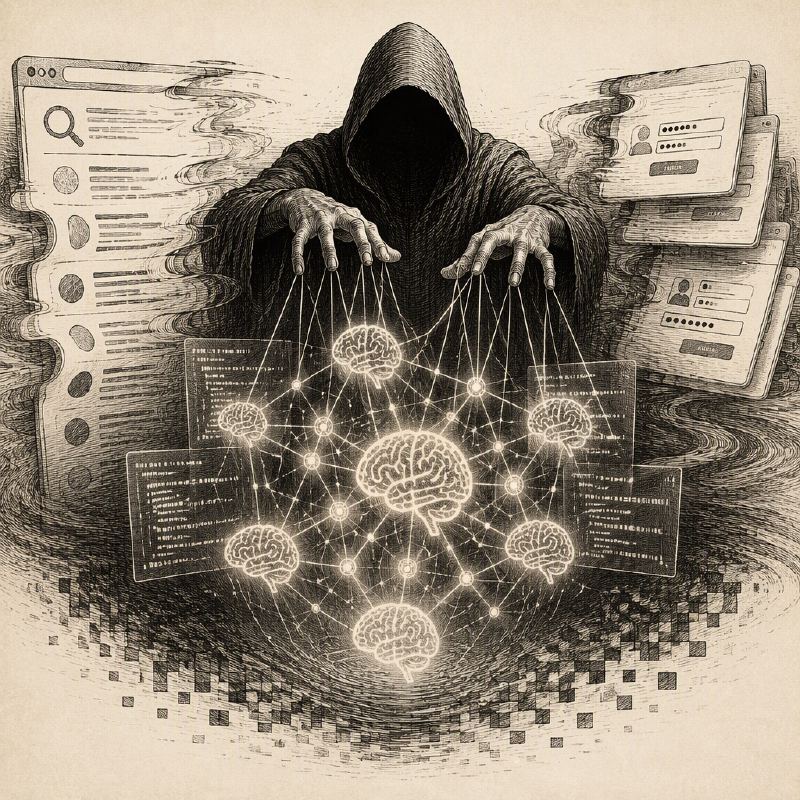
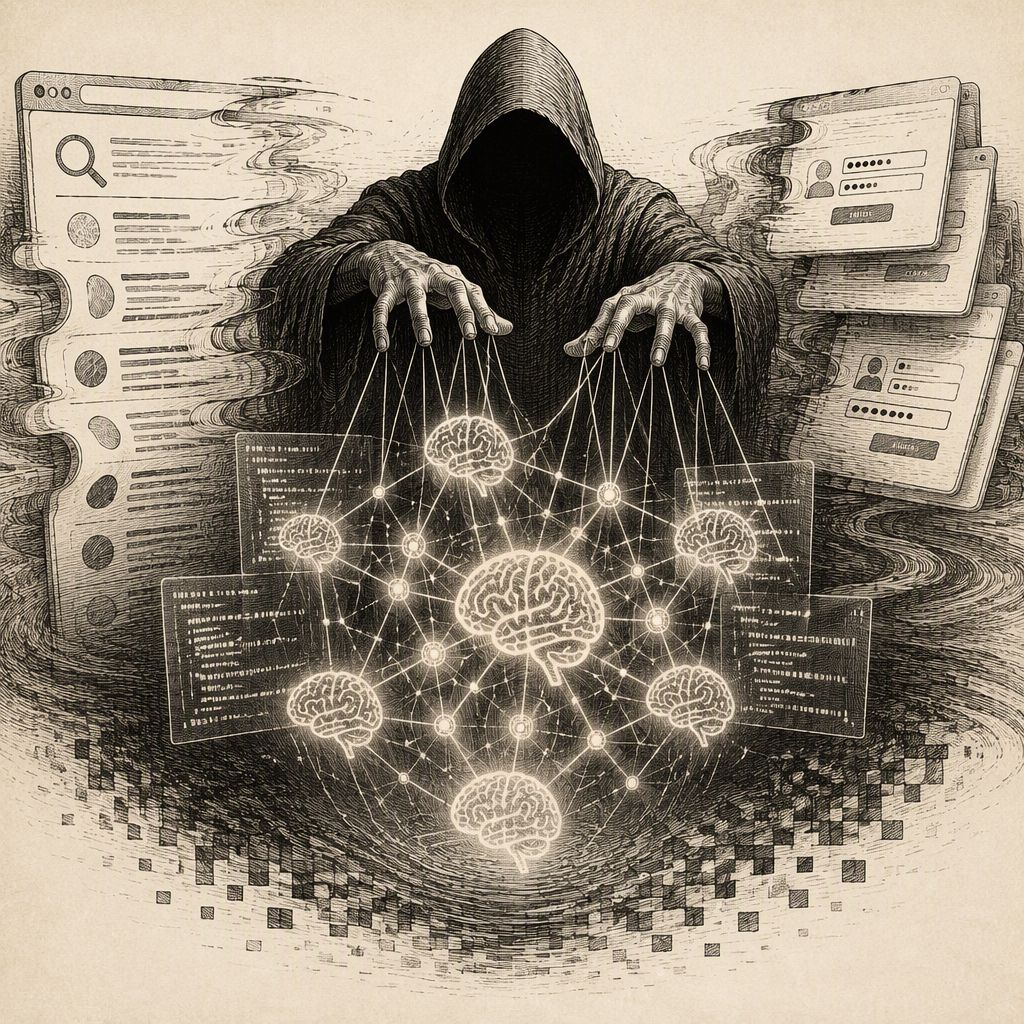
The latest ThreatsDay Bulletin paints a concerning picture of the evolving threat landscape, where convenience and innovation are increasingly being weaponized by malicious actors. This week's report highlights a disturbing trend of trusted digital paths being compromised, from AI-powered coding assistants inadvertently exposing sensitive intellectual property to attackers manipulating search engine results for nefarious purposes. The overarching theme is the insidious nature of these threats, often disguised as routine updates or familiar interfaces, making them particularly effective.
One of the most significant revelations concerns AI coding tools. Z.ai, a Chinese artificial intelligence company, was forced to disable features of its ZCode assistant after a default setting was found to be transmitting users' private code repositories to Alibaba Cloud servers in China without explicit consent. This incident echoes a similar finding with SpaceXAI's Grok Build CLI, which uploaded entire Git repositories to a Google Cloud Storage bucket. These events underscore a critical enterprise concern: how AI tools handle and protect sensitive source code, raising fresh questions about data privacy and intellectual property security in the age of AI-assisted development.
Beyond code repositories, AI's influence extends to more direct attacks. A new Android banking trojan, RemControl, has emerged, targeting customers in Western Europe, the Middle East, and Canada. Distributed through fake Google Play Store pages impersonating legitimate applications, RemControl leverages Android's Accessibility Service to deploy phishing overlays, stream device screens, log keystrokes, and grant full remote control. Notably, the malware's operator panel and phishing pages show evidence of AI-assisted development, with AI assistant responses found verbatim in live phishing pages, suggesting a growing trend of AI being integrated into the development of malicious tools.
The integrity of online information is also under siege, with the emergence of AI search poisoning techniques. While not detailed extensively in this specific bulletin, the mention of manipulated search results points to attackers aiming to steer users toward malicious content or phishing sites. This tactic, combined with the rise of one-click code execution vulnerabilities, creates a potent combination where users can be compromised with minimal interaction, often by simply clicking a seemingly innocuous link or downloading a file.
Critical infrastructure remains a significant target, prompting a joint fact sheet from the FBI and CISA. The agencies are urging critical infrastructure entities to exercise extreme caution when granting third-party industrial control system (ICS) integrators elevated access. The bulletin emphasizes the importance of the principle of least privilege (PoLP) to mitigate risks, warning that failure to do so could provide malicious actors with pathways to disrupt or destroy essential services.
Further compounding the privacy concerns is the revelation of extensive surveillance capabilities within MAX, a Russian state-backed "super-app." Forensic research indicates that MAX can capture screenshots without user notification, access all mini-app local storage, inject JavaScript into running mini-apps for undetectable modification, mediate all network traffic through a TLS proxy, and control authentication tokens, effectively allowing it to impersonate users. This level of access within an integrated platform raises acute concerns about state-level interception and the erosion of user privacy.
Finally, the bulletin touches upon a fake Claude Max giveaway campaign that employed a sophisticated browser-in-the-browser (BitB) attack. This technique uses a spoofed Google sign-in window, visually indistinguishable from a legitimate one, to trick users into divulging their Google account credentials. The attack highlights the increasing sophistication of phishing tactics, leveraging social engineering and deceptive interfaces to bypass user vigilance.
Collectively, these threats underscore a critical shift in the cybersecurity landscape. Attackers are leveraging AI for both offensive tool development and to exploit user trust in digital platforms. The ease of exploitation, coupled with the potential for widespread impact on both personal data and critical infrastructure, necessitates a heightened state of vigilance and proactive security measures from individuals and organizations alike.