
ThreatAware Dimension Platform Governs AI-Built Security Applications
ThreatAware's new Dimension platform provides a governed workspace for building and managing custom security applications, including those powered by AI, addressing governance gaps in rapid development.
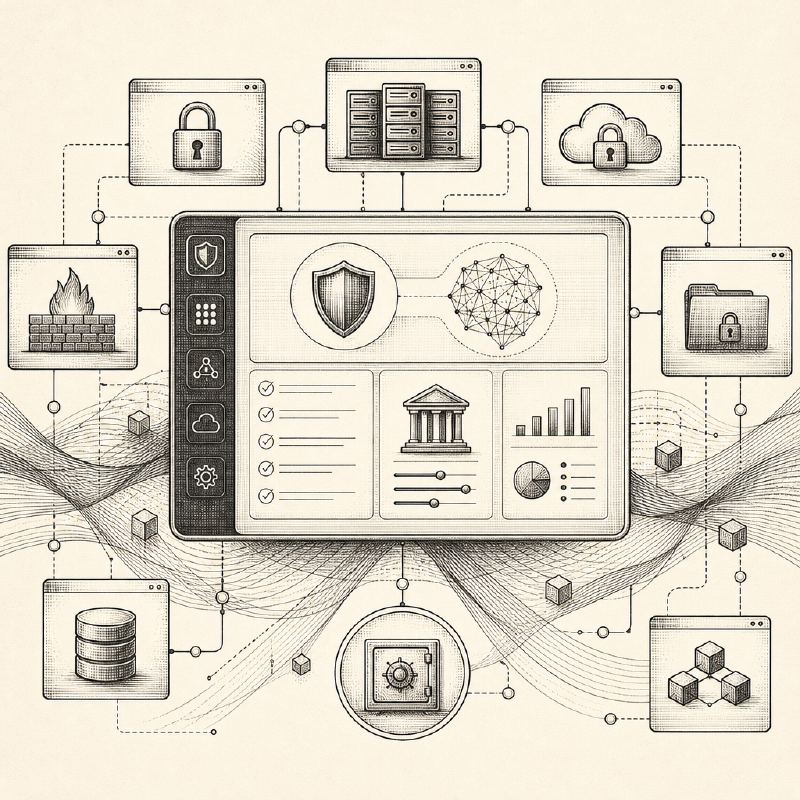
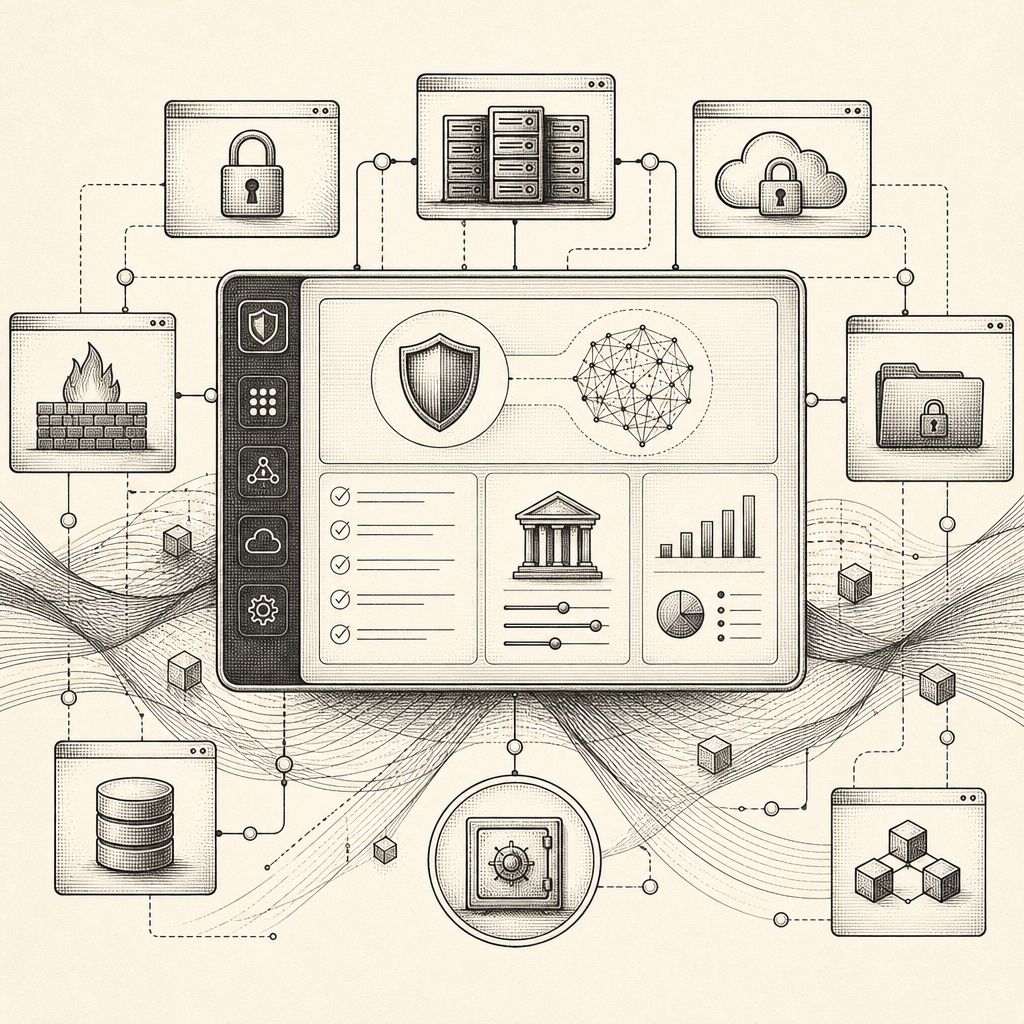
ThreatAware has launched Dimension, a new governed workspace designed to empower organizations in building, running, and managing their own customized security applications. This platform aims to strike a balance between providing security teams with the flexibility to develop tailored tools and ensuring organizational oversight regarding data access and system interactions. Dimension is positioned to support a wide range of custom applications, from shadow AI detectors and MFA dashboards to more complex security solutions, all within a controlled environment.
The core value proposition of Dimension lies in its ability to allow teams to build applications that precisely fit their workflows, rather than forcing existing processes to adapt to off-the-shelf software. The platform inherently includes essential features such as hosting, robust access controls, and approval processes. By running all applications on a unified foundation, Dimension provides built-in single sign-on, user provisioning, role-based permissions, approval workflows, audit trails, backup capabilities, version control, and isolated tenancy. This integrated approach significantly reduces the need for development teams to re-solve fundamental production and security requirements for each new application.
Jon Abbott, CEO of ThreatAware, highlighted the growing trend of AI-assisted application development and the concurrent lag in governance. "AI has made it easier for organizations to build applications on the fly. But what teams often overlook is that building an application is only the first step. They need to know what data those applications can access, who is responsible for them, and that they are fully governed. Dimension gives them the freedom to build the tools they need, without compromising on governance or creating another layer of unmanaged technology," Abbott stated.
This launch addresses a critical industry gap revealed by recent research. The study indicates that 77% of IT security decision-makers have used AI coding assistants to build internal security tools in the past year, with development times drastically reduced. However, governance has not kept pace, with nearly half of respondents (45%) admitting that self-built tools bypass standard review and approval processes, and 41% lacking formal policies for AI-generated applications.
The consequences of this governance deficit are twofold: 69% of organizations report that tools are delayed or abandoned due to security, governance, or compliance concerns. For those tools that do proceed, they often operate without consistent oversight, creating potential security blind spots. Abbott further elaborated, "What starts as an attempt to fill a tooling gap either stalls at security review or becomes another layer of unmanaged applications, leaving security teams with the same visibility and governance problems they set out to solve."
Dimension is structured around three key components: Data, Studio, and Actions. Data allows for API-based connections to existing organizational systems, establishing a live data layer. Studio serves as the environment for building applications on this data. Actions enables these applications to perform controlled operations on live systems. Applications can be developed using the AI Composer from natural language prompts, integrated with external AI coding agents via the Model Context Protocol (MCP), or customized from pre-built templates in the App Library.
Crucially, any action an application takes, such as disabling a user account or updating a cloud configuration, requires explicit configuration and approval, with all activities meticulously logged in an audit trail. Applications are restricted to accessing only the data feeds and actions they are explicitly connected to, enforcing a principle of least privilege and maintaining oversight of automated processes. Furthermore, applications are built within shared workspaces that incorporate permissions and version control, fostering team collaboration, ongoing maintenance, and reducing dependency on individual developers.
By providing a secure, governed environment for the creation and deployment of custom security applications, ThreatAware Dimension aims to mitigate the risks associated with the rapid adoption of AI in security tool development. It offers a pathway for organizations to leverage the speed and flexibility of AI-driven development while maintaining essential control and visibility over their security infrastructure.