
Threat Actors Renting Exposed AI Compute for Malicious Purposes
Attackers are exploiting unsecured self-hosted AI models, turning them into rented compute resources for illicit activities.
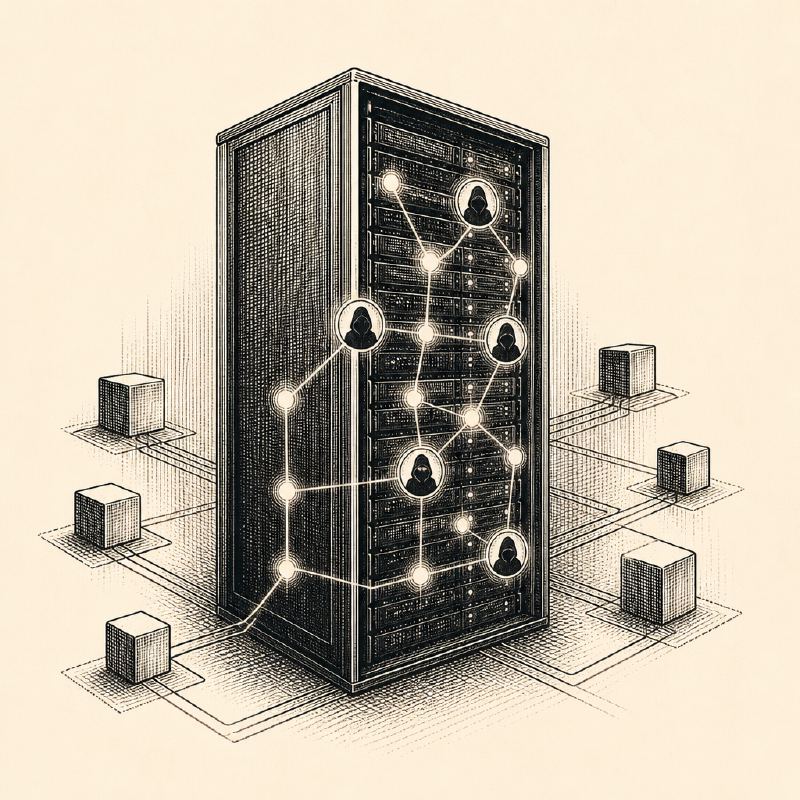
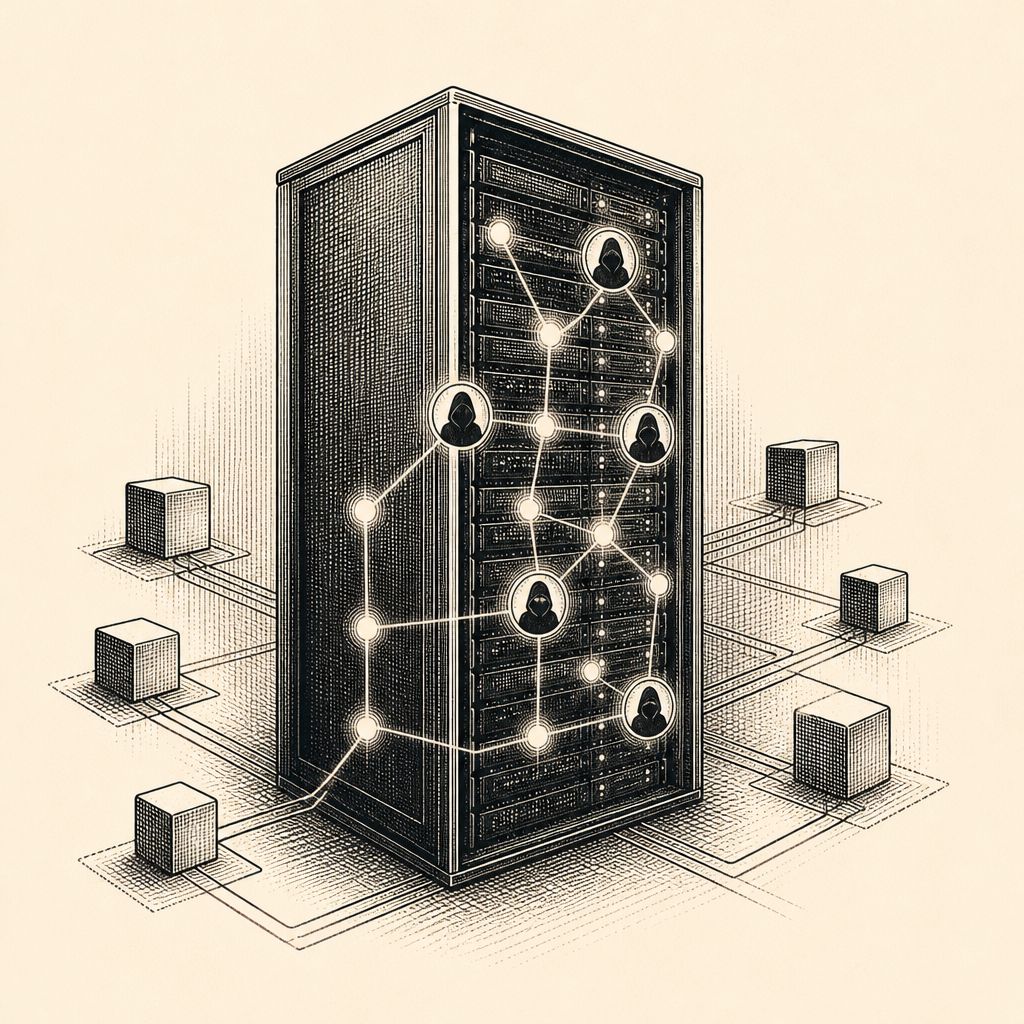
Threat actors are increasingly exploiting improperly secured self-hosted AI models to rent out compute resources, effectively turning vulnerable systems into a marketplace for malicious processing power. Attackers are actively scanning the internet for exposed AI instances, gaining unauthorized access, and then leasing the compromised compute power to other malicious actors. This emerging trend allows threat actors to monetize stolen resources and potentially conduct further malicious activities without direct attribution, creating a new frontier in cybercrime.
Rapid7's analysis of exposed Ollama servers revealed a disturbing reality: over half of the scanned instances had already been compromised and visibly used by unauthorized parties. This was evident through model names that acted as callback addresses, tags imprinted with the server's own IP, and Base64 encoded strings that decoded to sensitive system files like /etc/shadow. These findings suggest that the exposed AI services are not merely vulnerable but are actively being utilized for illicit purposes.
The scale of the issue is significant, with initial scanner reports indicating thousands of vulnerable systems. However, a closer examination revealed that a substantial portion of these findings were attributed to deception infrastructure, such as honeypots or research sensors, designed to attract and monitor malicious activity. After filtering out these deceptive hosts, the number of genuinely compromised and actively used AI instances remained uncomfortably high, with thousands of Ollama servers, in particular, answering AI or notebook API requests without any form of authentication.
Geographically, the exposed AI services are widely distributed, with a significant concentration in cloud and hosting networks. Providers like OVHcloud, Hetzner, Contabo, Oracle Cloud, Tencent Cloud, and DigitalOcean account for a substantial portion of these exposed systems. Germany leads in the number of exposed Ollama hosts, followed by China and the United States. This distribution is largely driven by the accessibility and cost-effectiveness of renting capable servers from these providers, making them attractive targets for quick deployment of AI models.
The nature of these compromised machines often differs from traditional corporate data centers. They are frequently rented on a credit card basis by development teams needing rapid compute power, and later connected to company data. This means that an organization's attack surface can inadvertently expand to include the expense reports and shadow IT practices of its developers.
Analysis of the exposed Ollama servers showed a vast number of model entries, with Qwen, Llama, and Gemma being dominant locally. However, a critical distinction emerged between models that run directly on the compromised machine and those that the machine merely routes. This suggests a sophisticated operation where attackers are not only leveraging the compute power but also potentially using these instances as proxies or gateways for further attacks.
The implications of this trend are far-reaching. It represents a shift from traditional cryptojacking or botnet operations to a more sophisticated model of renting out specialized compute resources. Organizations must urgently reassess their security posture regarding self-hosted AI models, ensuring proper authentication, network segmentation, and continuous monitoring to prevent their infrastructure from being co-opted for criminal enterprises.
To mitigate these risks, organizations should implement strict access controls for all AI model deployments, enforce strong authentication mechanisms, and regularly audit their cloud and hosting environments for unauthorized access or unusual activity. Furthermore, staying informed about emerging threats and best practices in AI security is crucial to staying ahead of evolving threat actor tactics.