
Threat Actors Exploit Public Blockchains for Resilient Malware Command and Control
Malware operators are increasingly using public blockchains like Bitcoin and TRON to host resilient command-and-control (C2) infrastructure, bypassing traditional security measures.
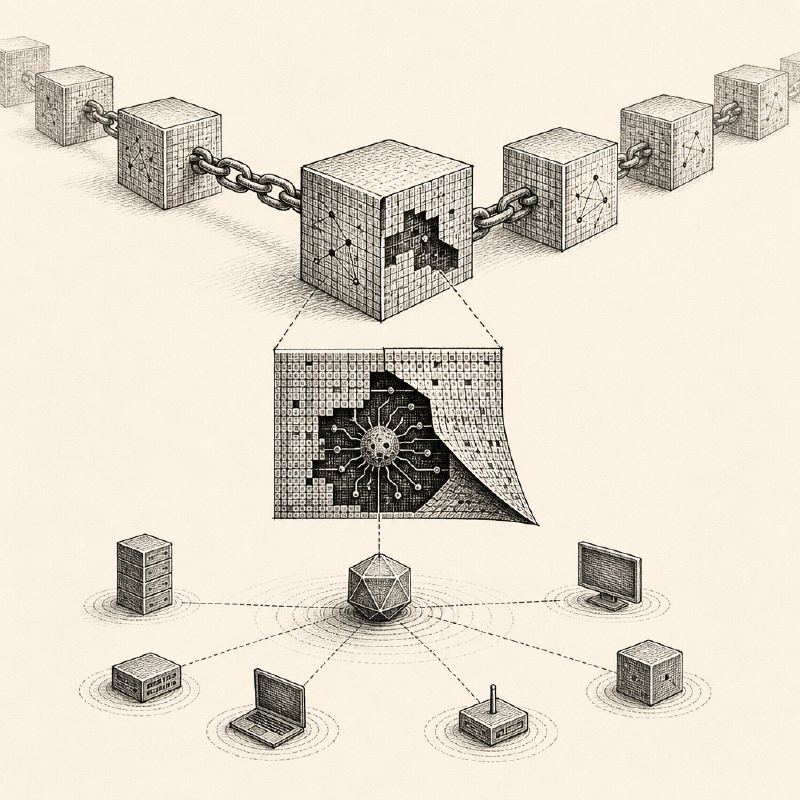
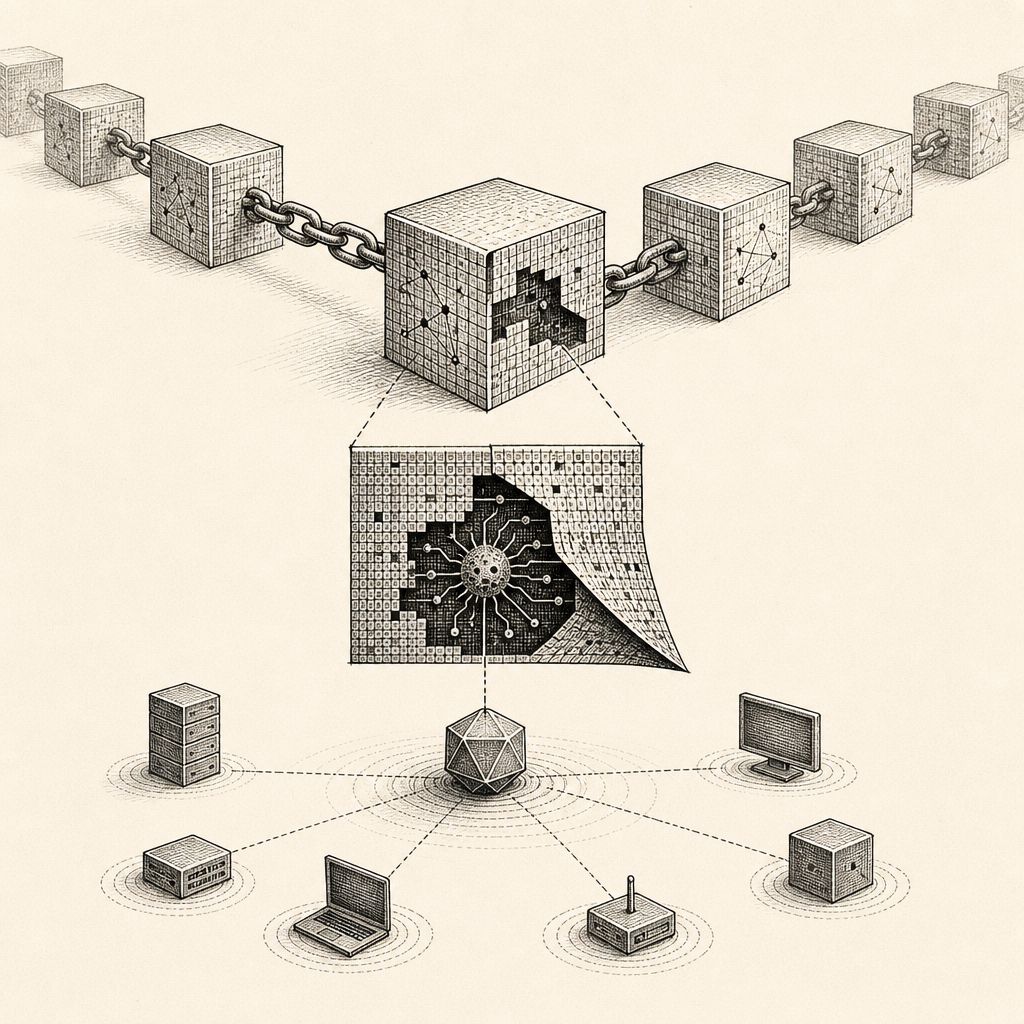
The landscape of malware command-and-control (C2) infrastructure is undergoing a significant transformation, moving away from vulnerable, centralized servers and hardcoded domains towards robust, decentralized blockchain networks. This shift aims to eliminate single points of failure, making C2 operations far more resilient to takedowns. Threat actors are now leveraging immutable public ledgers, including Bitcoin transactions, EVM-compatible smart contracts, TRON wallets, and Solana memo programs, to store, conceal, and persistently update their operational endpoints.
This innovative approach allows adversaries to embed encrypted C2 configurations within blockchain transactions or smart contracts. Malware on compromised endpoints then retrieves these configurations by executing read-only remote procedure call (RPC) queries. This method effectively bypasses traditional perimeter defenses such as domain blocklists and infrastructure seizures, as the C2 information is not hosted on a conventional server that can be easily identified and disabled. The immutable nature of blockchains means that once data is recorded, it is extremely difficult to alter or remove.
The traditional C2 model, where malware communicates with a hardcoded domain or IP address, has long been a weak point for attackers. Security researchers and incident responders could identify this single link, leading to domain suspension, IP null-routing, or law enforcement seizure. This asymmetry, where defenders only need to find one weak point to disrupt an entire operation, has fueled a continuous arms race in resilience techniques. Techniques like fast flux DNS, domain generation algorithms (DGAs), and peer-to-peer (P2P) architectures have been employed to counter these defensive capabilities.
However, even these advanced techniques have faced countermeasures. DGAs are often reverse-engineered, and CDN domain fronting has been largely dismantled by cloud providers. P2P networks, while decentralized, can be enumerated by researchers acting as benign nodes. The blockchain-based C2 infrastructure represents a significant evolution beyond these methods, offering a level of persistence and evasion that challenges current security paradigms.
The implications for cybersecurity are profound. Traditional methods of blocking C2 infrastructure based on domain reputation or IP addresses become largely ineffective. Instead, security teams must adapt by monitoring for anomalous outbound JSON-RPC traffic, which is characteristic of malware querying blockchains. Furthermore, analyzing endpoint memory for encrypted C2 configurations and treating blockchain infrastructure itself as an active threat communication channel are becoming essential defensive strategies.
This emerging trend necessitates a fundamental shift in how organizations approach network security and threat intelligence. The focus must move from solely blocking known malicious domains to understanding and detecting the patterns of interaction with decentralized ledger technology. This includes developing tools and techniques to analyze blockchain data for malicious intent and to identify compromised endpoints attempting to communicate with these novel C2 channels.
As threat actors continue to innovate, the cybersecurity community must remain agile and proactive. The use of public blockchains for C2 infrastructure is a clear indicator of this ongoing evolution. Adapting defensive strategies to encompass these new attack vectors will be critical in maintaining effective security against sophisticated and resilient malware campaigns.