
Thousands of AI Hacking Frameworks Exposed Online, Actively Probing for Vulnerabilities
Shadowserver Foundation reports over 4,000 internet-exposed AI hacking frameworks, with some actively scanning for and attempting to exploit vulnerabilities.
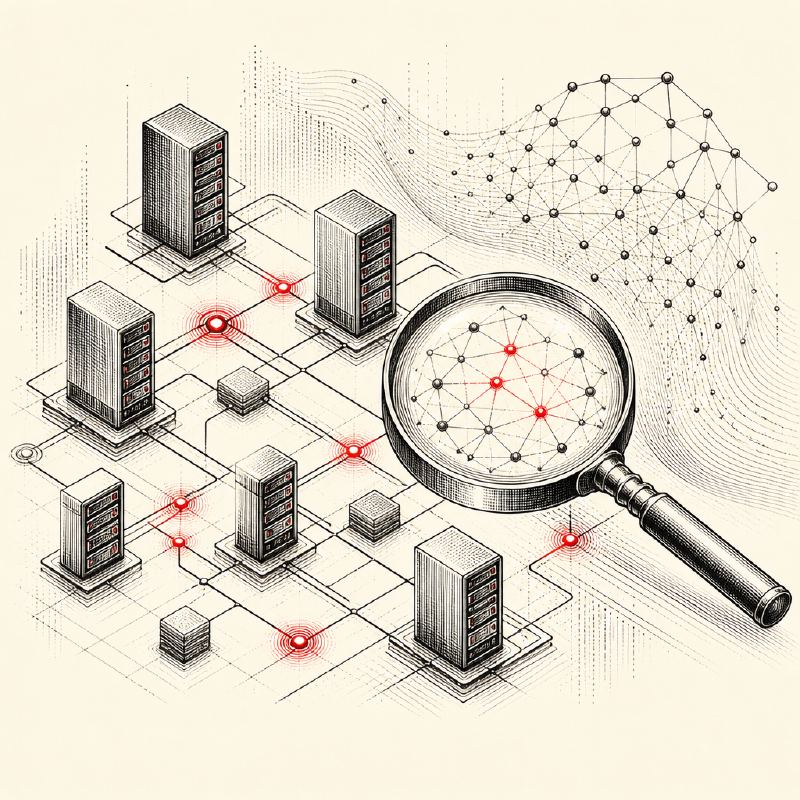
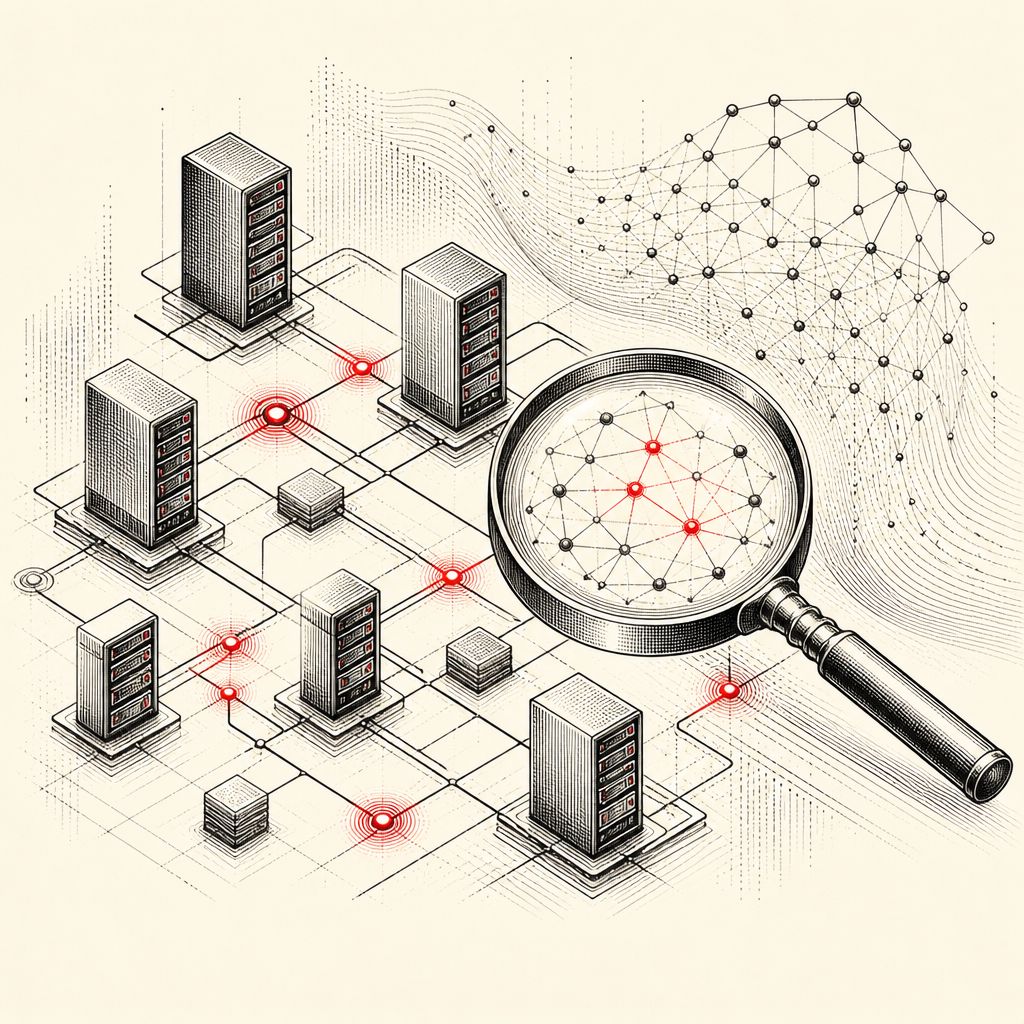
The Shadowserver Foundation has identified a significant surge in internet-exposed AI hacking frameworks, with over 4,000 instances detected on November 23, 2026. This marks a notable increase from previous days, highlighting a growing trend of these powerful tools being accessible online. These frameworks leverage large language models (LLMs) to automate complex cybersecurity tasks, including vulnerability scanning, exploit testing, and even initial reconnaissance, often with minimal human intervention.
The majority of these exposed instances are attributed to the ARTEX framework, which accounts for approximately 70% of the observed deployments. ARTEX is a sophisticated tool designed to assist in penetration testing and security assessments. A derivative framework, AntiFox, has also seen a substantial increase in deployment, growing from a few instances to around 200. Together, ARTEX and AntiFox represent about three-quarters of the exposed AI hacking tools.
Geographically, the exposed instances are concentrated in Asia and North America, with nearly half located in Asian countries and over a third in North America. Europe also hosts a significant portion of these deployments. This distribution likely reflects the hosting locations of cloud infrastructure rather than the geographical base of the operators.
While the presence of an exposed AI hacking framework does not automatically confirm malicious activity, Shadowserver's data indicates that some of these instances are actively probing the internet. Between November 9 and 23, over 10,000 events were recorded from more than 80 IP addresses identified as running these tools. These activities include scanning for vulnerabilities, with specific attention paid to known flaws such as CVE-2023-38646, and attempts to exfiltrate sensitive data like API keys and database credentials.
The FBI has previously warned about the speed at which ARTEX-assisted intrusions can progress, noting that some intrusions moved from initial targeting to privileged access in under three hours. This rapid progression underscores the potential danger posed by these exposed frameworks. The observed probing activities, including attempts to access VPN gateways, web applications, and developer tools like Jenkins, align with common attack vectors.
Shadowserver recommends that organizations verify the legitimacy of any identified AI attack framework deployments. If a deployment is authorized, security teams should restrict access to trusted IP addresses or VPNs, enforce strong authentication, and ensure the software is kept up-to-date. For unverified or unauthorized deployments, immediate isolation and investigation are advised to prevent potential misuse.
The increasing exposure and active probing by these AI-powered hacking tools represent a significant shift in the cybersecurity landscape. The automation and sophistication offered by LLMs lower the barrier to entry for complex attacks, making them more accessible to a wider range of threat actors. This trend necessitates enhanced vigilance and proactive security measures from organizations worldwide.
This situation highlights the dual-use nature of AI technology in cybersecurity. While these frameworks can be valuable tools for security professionals, their widespread exposure and potential for misuse by malicious actors demand continuous monitoring and robust defense strategies.