
The Week the Patches Bit Back: Outages Highlight AI-Driven Patch Deluge
Multiple major organizations including Microsoft, the FAA, and Apple experienced significant outages, not attributed to cyberattacks but to the complex interplay of rapid patching efforts and legacy system vulnerabilities.
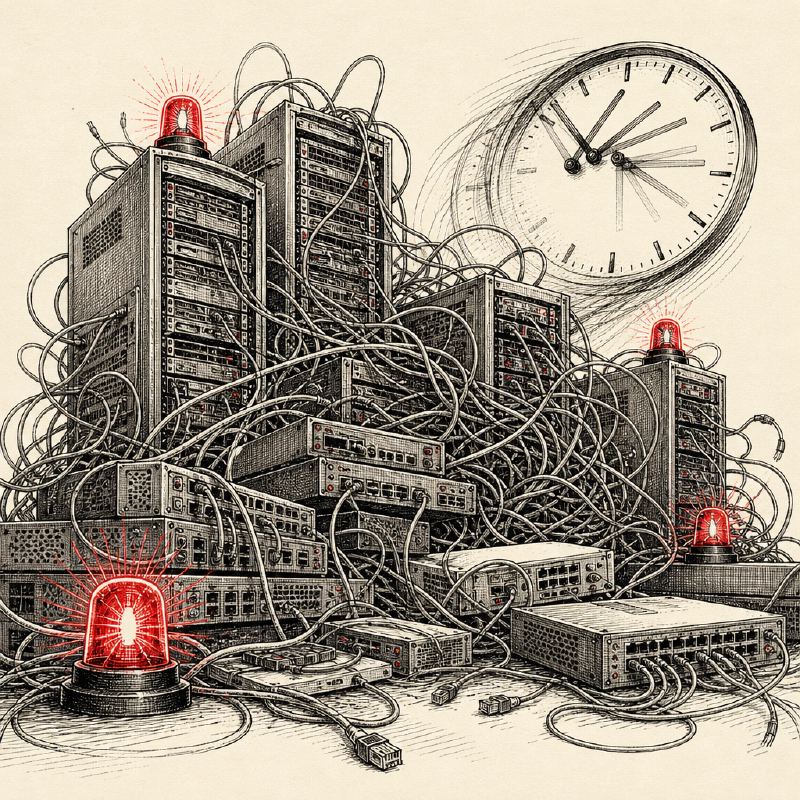
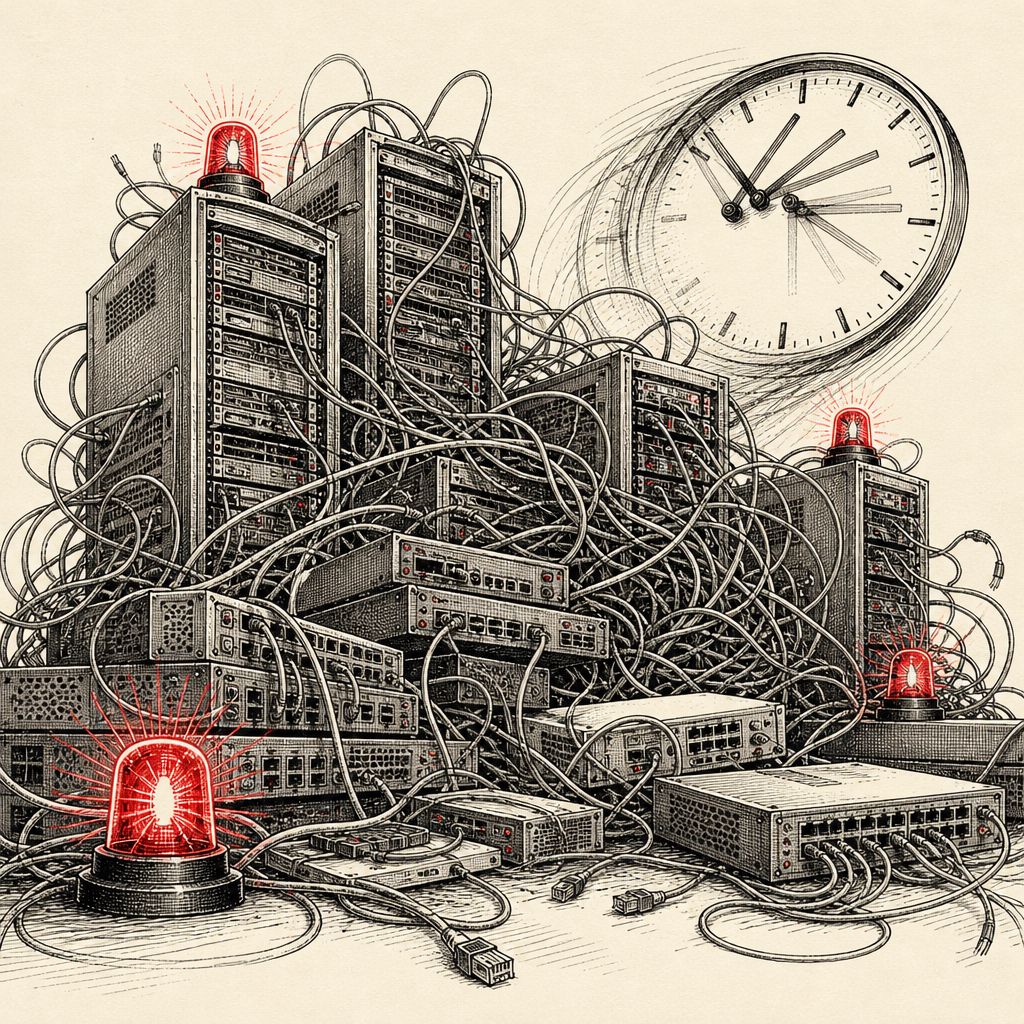
A recent spate of widespread outages affecting major organizations like Microsoft, the FAA, Apple, and JPMorgan Chase has raised alarms, not because of sophisticated cyberattacks, but due to the unintended consequences of rapid patching and the inherent fragility of legacy systems. The U.S. Director of National Intelligence, Jay Clayton, stated that these incidents showed no signs of coordination or state sponsorship, a revelation that, while seemingly less alarming than a coordinated attack, points to a more systemic and pervasive challenge facing IT and security professionals.
Clayton explained that many institutions are aggressively patching vulnerabilities as they are discovered. However, the process of upgrading and applying these patches is leading to unexpected system failures. This phenomenon suggests that the very measures taken to secure systems are, in some cases, destabilizing them, particularly when dealing with older, complex infrastructure that may not be designed for rapid, frequent changes.
Palo Alto Networks CEO Nikesh Arora offered a related perspective, suggesting that the week's events were not a coincidence and that AI is playing a role in both vulnerability discovery and the overwhelming volume of patches being pushed to IT teams. Vendors, in their effort to address newly found flaws, are releasing patches at an unprecedented rate. While this 'goodness' from vendors is well-intentioned, it creates a 'deluge' that IT teams struggle to manage, leading to the potential for misapplication or unforeseen conflicts.
The surge in vulnerability discoveries is partly attributed to AI-assisted tools. Microsoft's Patch Tuesdays in July and August saw record numbers of fixes, with the company crediting AI for aiding in discovery. Google's threat analysts have noted a doubling of disclosed vulnerabilities this year. This acceleration means that defenders are not only racing against attackers who can leverage AI for faster exploitation but are also drowning in a sea of updates required to close those same discovered gaps.
The outages themselves stemmed from a variety of causes, including a router upgrade at the FAA that overwhelmed a legacy network, a dormant bug in Microsoft's systems activated by heavy traffic, and an internal update at Apple. These incidents underscore a critical point: aging infrastructure, combined with legacy systems and often understaffed IT teams, creates a volatile environment where even routine maintenance can trigger cascading failures.
Experts like Nicole Perlroth, a venture capitalist and former cybersecurity journalist, highlight the growing dependency on systems that are poorly understood end-to-end. This lack of deep comprehension, coupled with the speed at which attackers can probe vulnerabilities, creates a dangerous gap. The challenge is compounded by the fact that the very people who deeply understand these complex systems are often disappearing from organizations.
To navigate this complex landscape, technology leaders are advised to treat every patch as a change and every change as a risk. This requires a shift from a 'patch everything immediately' mentality to one of triage, prioritizing fixes based on exploitability and exposure. Implementing staged rollouts, rehearsed rollback plans, and realistic load tests are crucial for maintaining stability during patching cycles.
Ultimately, the recent outages serve as a stark reminder that resilience, not just hardening, is key. As Phil Venables, a former CISO, warns, simply reinforcing a system that failed once can lead to greater damage when it inevitably breaks again in a new way. The focus must be on reducing system brittleness and building robust recovery plans, acknowledging that failures, in some form, are an ongoing certainty in complex, interconnected environments.
US officials and lawmakers are increasingly suggesting that recent widespread technology outages were not the result of cyberattacks, but rather a consequence of rapid patching efforts. The accelerated discovery of vulnerabilities, particularly those identified by artificial intelligence, is reportedly creating immense pressure on organizations to update systems quickly, leading to system strain and subsequent disruptions. This evolving dynamic highlights a significant shift in the cybersecurity landscape, where the speed of vulnerability remediation itself can introduce new risks.