
'The Mailer' Phishing Kit Integrates AI for Personalized, Evasive Campaigns
A new commercial phishing kit, 'The Mailer,' leverages attacker-supplied AI models to craft highly personalized lures and bypass spam filters, enabling large-scale, sophisticated phishing operations.
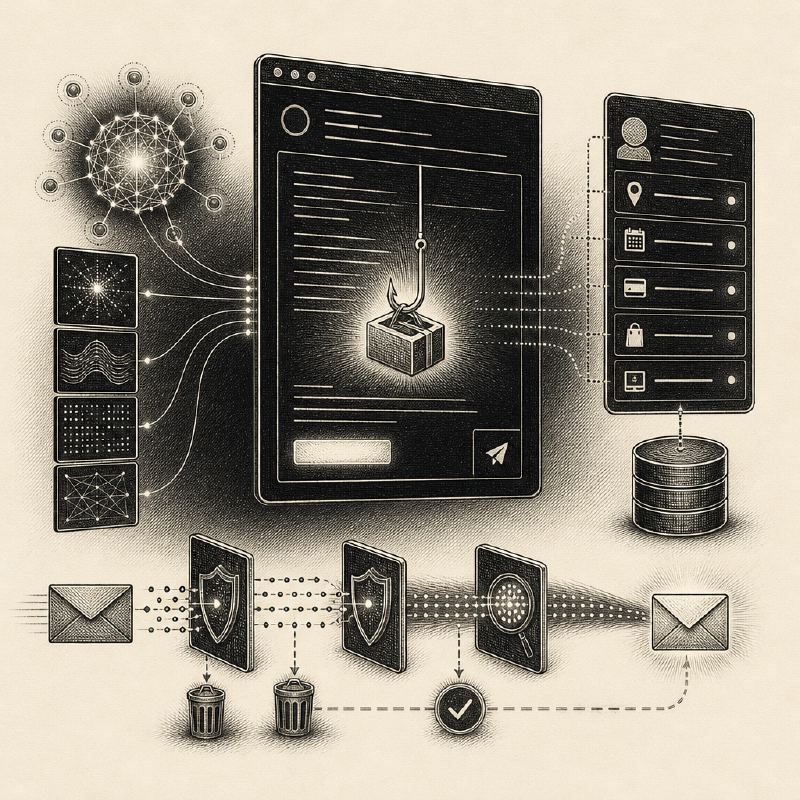
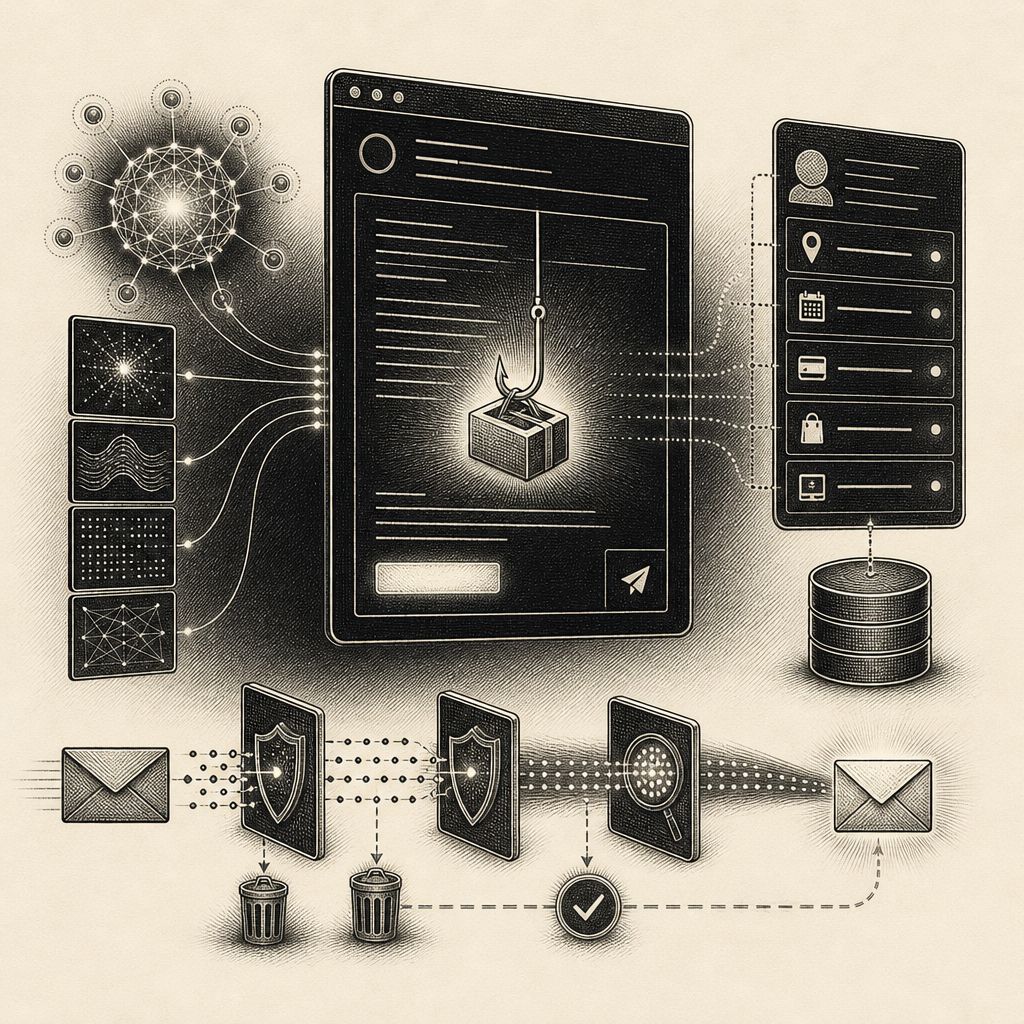
A sophisticated new phishing kit, dubbed "The Mailer," is making waves in the cybercriminal underground by integrating artificial intelligence to automate and personalize phishing campaigns on an unprecedented scale. Unlike previous phishing kits that offered limited AI functionality, The Mailer allows attackers to leverage various large language models (LLMs) to craft unique email lures, tailor them to specific mail providers, and systematically bypass spam filters.
This advanced capability is available for a one-time fee ranging from $3,000 to $6,000 in cryptocurrency, with attackers needing only to supply their chosen AI model's API key, SMTP servers, proxies, and target email lists. The kit then takes over, generating personalized email subjects, bodies, and even attachments for each recipient. This level of individualization transforms what would typically be a mass email campaign into a series of seemingly targeted communications, significantly increasing the likelihood of success.
Varonis researchers, who detailed the kit, highlighted that The Mailer can rewrite lures until they evade spam filters, a critical step in ensuring delivery. The seller's promotional materials showcase campaigns targeting nearly 25,000 emails and sorting over 145,000 potential victims by their mail provider. This automation allows threat actors to efficiently conduct opportunistic phishing attacks with a level of polish previously associated with more resource-intensive spear-phishing operations.
The AI integration extends beyond simple text generation. The Mailer can remove AI writing patterns that might otherwise be flagged by security systems and adapt content to circumvent detection mechanisms. This adaptability is crucial in the ongoing cat-and-mouse game between attackers and defenders, where AI-generated content is increasingly scrutinized.
While the exact success rate of The Mailer remains unquantified, its availability and the demonstrated capabilities suggest a significant threat to organizations. The Varonis team assesses that the kit has a substantial customer base, and predicts that similar AI-enhanced phishing tools will proliferate as demand grows within the cybercriminal ecosystem.
Defenders are advised to bolster their email security posture by strictly enforcing authentication protocols such as SPF, DKIM, and DMARC. Monitoring for newly registered or lookalike domains and thoroughly inspecting link redirect chains are also crucial. Organizations should also update their employee training programs to reflect the evolving nature of phishing, emphasizing vigilance against urgency, unexpected requests, and suspicious login prompts, rather than relying solely on detecting poor grammar.
Implementing the principle of least privilege and robust data monitoring can further mitigate the impact of successful phishing attacks. By limiting user access and tracking data flows, organizations can reduce the potential damage if an employee falls victim to a sophisticated, AI-powered phishing attempt.
The emergence of The Mailer underscores a broader trend of AI adoption by threat actors, promising more sophisticated and evasive attacks in the future. This development necessitates a proactive and adaptive approach to cybersecurity, integrating advanced detection methods and continuous user education.