
Texas School District Auctions Computers Containing Sensitive Student Data
A Texas school district's auction of approximately 700 computers resulted in a buyer discovering sensitive student and staff data on at least 11 devices, highlighting risks of inadequate data sanitization.
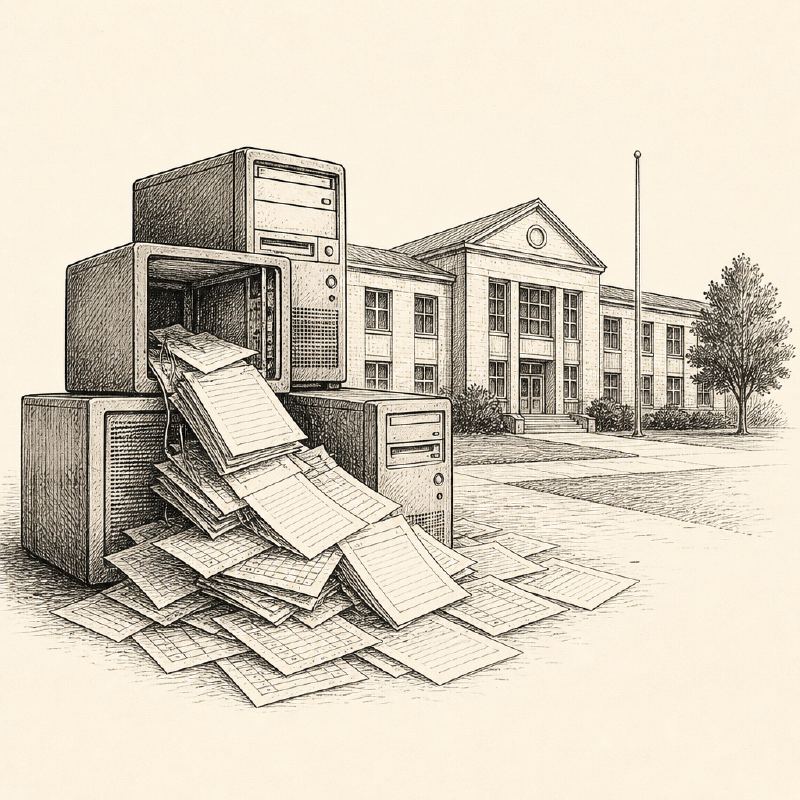
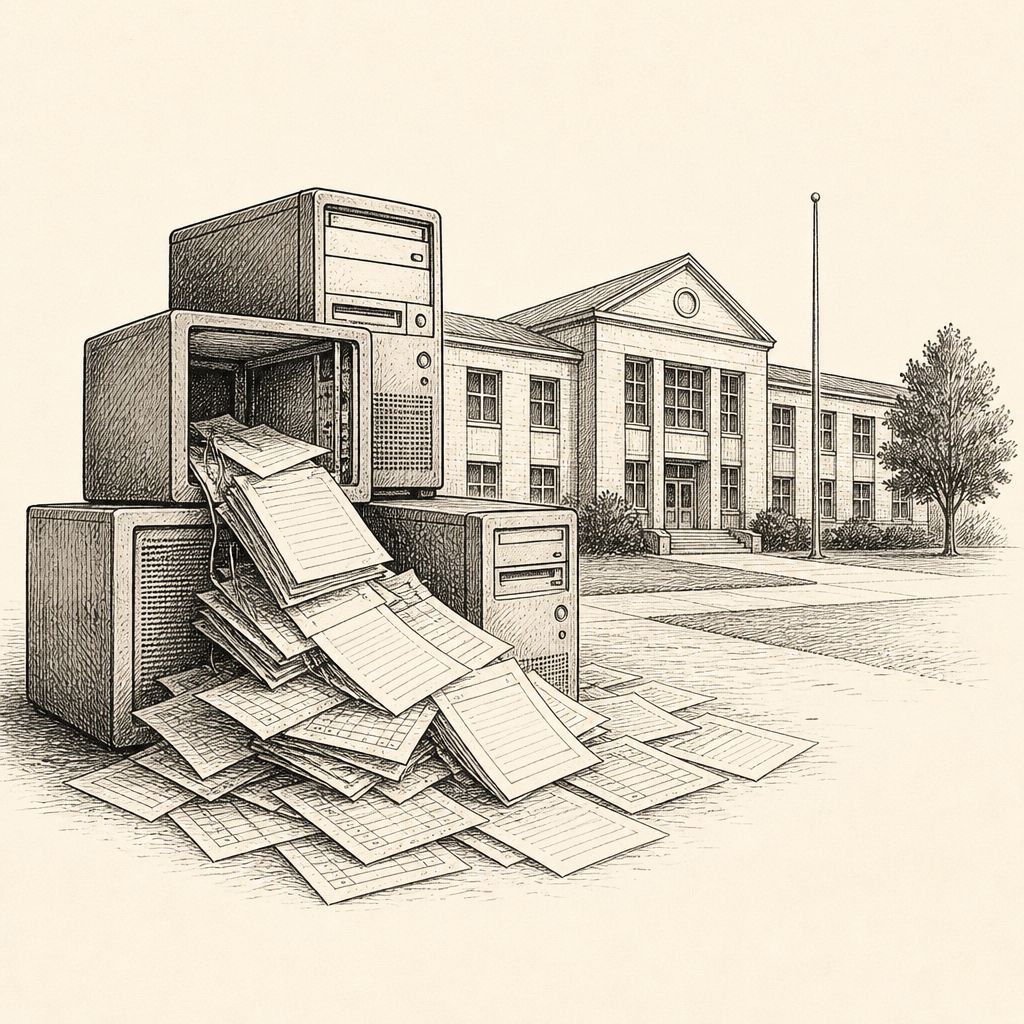
A recent incident involving a Texas school district has brought to light the critical importance of proper data sanitization when disposing of electronic hardware. The district auctioned off around 700 computers, only for a buyer to discover sensitive student and staff data on at least 11 of the devices. This discovery underscores the significant risks associated with releasing hardware without verified data erasure, potentially exposing personal information to unauthorized individuals.
As educational institutions, like many enterprises, face increasing pressure to maximize the value of their existing IT assets due to rising hardware costs and tight budgets, the practice of redeploying or selling used devices is common. However, this practice necessitates stringent security protocols to ensure that all sensitive data is irretrievably removed before the hardware changes hands. The incident serves as a stark reminder that simply deleting files or formatting drives is insufficient to protect against data recovery.
The report emphasizes the necessity of adhering to established data erasure guidelines, specifically referencing NIST SP 800-88. This standard outlines a comprehensive approach to data sanitization, which includes not only the erasure process itself but also crucial steps for verification and validation. Furthermore, NIST SP 800-88 mandates the creation of auditable records that demonstrate the effectiveness of the sanitization methods employed.
Without proper data sanitization, organizations risk severe consequences, including data breaches, regulatory fines, and reputational damage. The discovery of sensitive student and staff information on auctioned computers raises concerns about the privacy of individuals whose data was compromised and the potential for misuse of that information.
This situation highlights a gap in the lifecycle management of IT assets within some educational organizations. It suggests a need for enhanced training, clearer policies, and potentially the implementation of specialized tools and services to ensure data security during hardware disposal. The focus should be on ensuring that every device is rendered completely free of sensitive information before it leaves the organization's control.
Industry experts recommend a multi-faceted approach to data sanitization. This includes understanding the different types of storage media, selecting appropriate erasure methods based on the data's sensitivity and the media's characteristics, and rigorously verifying that the erasure process has been successful. The use of certified data erasure software and services can provide the necessary assurance and audit trails.
The incident also points to the potential benefits of utilizing advanced technologies for data management and security. Solutions that offer real-time verification, on-demand reporting, and agentic AI capabilities can help IT and security teams maintain confidence in the security of their devices throughout their lifecycle, from deployment to disposal.
Ultimately, the discovery of sensitive data on auctioned school computers is a cautionary tale. It reinforces the principle that data security must be a paramount consideration at every stage of an organization's operations, especially when dealing with the disposal of hardware that has contained personal or sensitive information. Adherence to best practices and standards like NIST SP 800-88 is not merely a compliance requirement but a fundamental aspect of protecting individuals and the organization itself.