
Tenable One Adversary View Leverages AI for Advanced Attack Path Analysis
Tenable One Adversary View, powered by Claude Mythos AI, is now generally available, offering security teams a novel way to prioritize vulnerability remediation by mimicking attacker reasoning.
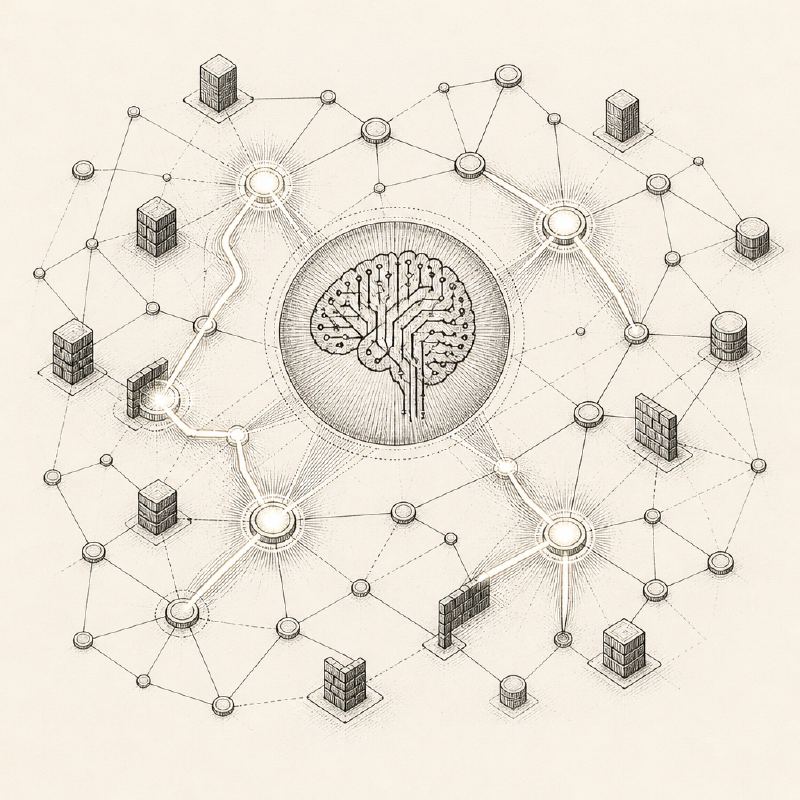
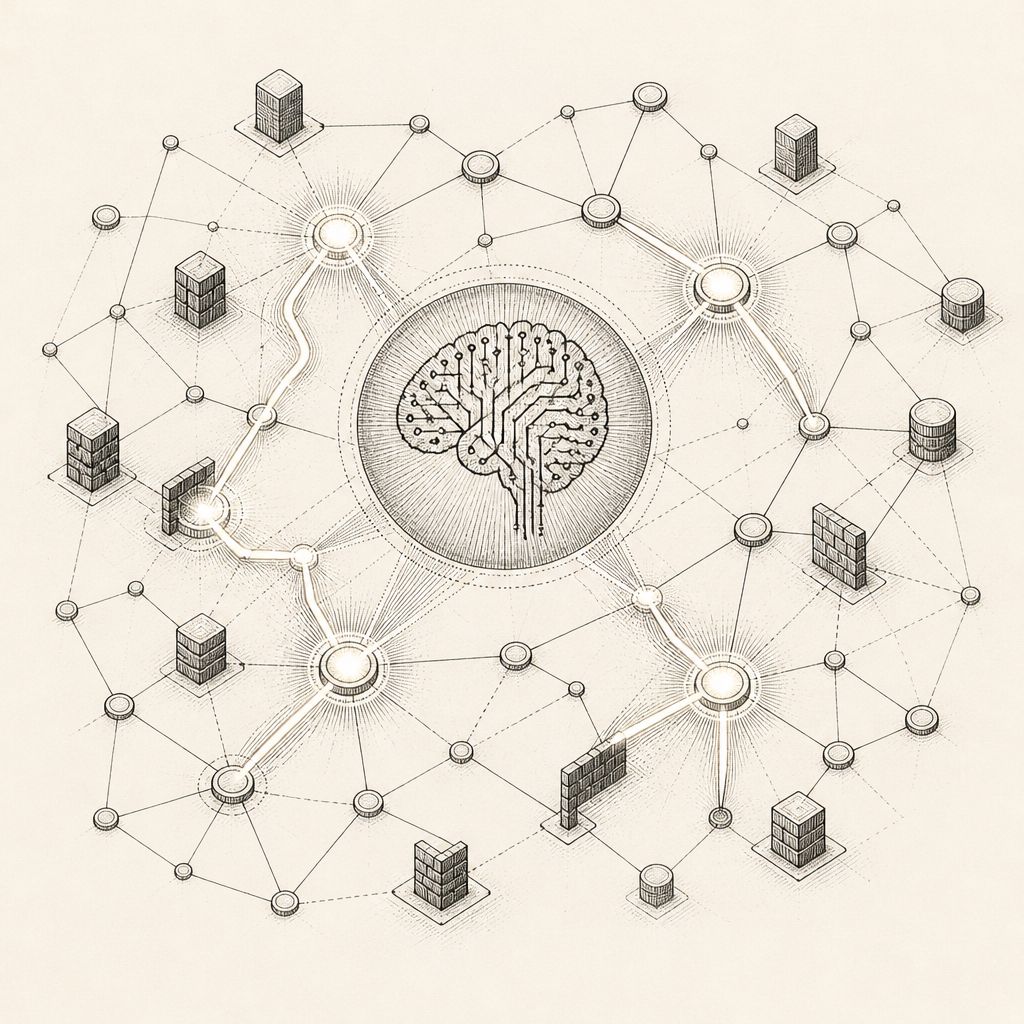
Tenable One Adversary View, now generally available for Tenable Hexa AI users, represents a significant advancement in vulnerability management by integrating advanced AI to analyze an organization's security posture from an attacker's perspective. This new capability moves beyond traditional severity-based prioritization, instead focusing on identifying and disrupting attack paths. By processing existing scan data, Adversary View constructs a dynamic graph of an environment, pinpointing vulnerability chains and choke points that threat actors could exploit.
The core innovation lies in its use of Claude Mythos, an AI model designed for adversarial reasoning. Unlike rule-based attack path analysis, which relies on predefined logic, Claude Mythos reasons through the collected scan data to understand how individual findings, even those not considered critical in isolation, can be chained together to achieve an attacker's objectives. This allows security teams to see their environment as an adversary would, identifying potential routes to critical assets.
Adversary View's primary benefit is its ability to help security teams break more attack paths with fewer, more impactful fixes. The tool ranks remediation actions based on how many distinct attack paths they disrupt, rather than solely on CVSS scores. This means that a single, well-chosen fix could potentially close off dozens of potential exploitation routes, significantly reducing an organization's overall risk exposure. This approach directly addresses the challenge of managing an ever-growing list of vulnerabilities by focusing efforts on the most strategically important actions.
The AI-driven analysis is performed on data that organizations already collect through Tenable's existing scanning and plugins, meaning no new sensors or agents are required for deployment. This makes it readily accessible for current Tenable One customers with Tenable Hexa AI. The process involves scoping the analysis to specific assets or groups, after which the AI constructs an on-demand graph of asset connections and applies its reasoning to discover vulnerability chains.
In a practical demonstration, Adversary View identified a critical attack path originating from an internet-facing host, traversing through a workstation and domain controller, and ultimately reaching a Windows Server 2016 instance vulnerable to EternalBlue, the exploit famously used in the WannaCry ransomware attack. The analysis also highlighted that patching just two servers and implementing a single firewall rule to block SMB traffic from the internet could close off a substantial number of these attack paths.
This capability functions as an on-demand deep inspection, complementing Tenable One's continuous attack path monitoring. While continuous analysis flags paths as they form based on rules, Adversary View provides a point-in-time, in-depth examination of a specific segment of the environment. The output includes ranked vulnerability chains, prioritized choke points, and actionable remediation guidance, which can be integrated into workflows via Jira tickets or exported as reports.
The increasing sophistication of AI in accelerating vulnerability discovery and exploit creation necessitates a corresponding evolution in defensive strategies. Adversary View's approach, which mirrors attacker methodologies, provides a crucial advantage in this rapidly changing threat landscape. By understanding how attackers think and operate, organizations can proactively fortify their defenses against the most probable and impactful threats.
Ultimately, Tenable One Adversary View aims to empower security teams to make more informed decisions about vulnerability remediation, ensuring that their limited resources are directed towards actions that yield the greatest reduction in risk. This AI-powered adversarial reasoning offers a more effective and efficient way to manage complex security environments.