
Tenable CSO Details AI-Driven Exposure Management Program to Combat Tool Sprawl
Tenable's Chief Security Officer outlines a strategic shift towards an AI-driven exposure management program to unify fragmented security data, mitigate risks from rapid AI adoption, and improve communication of cyber risk to business leaders.

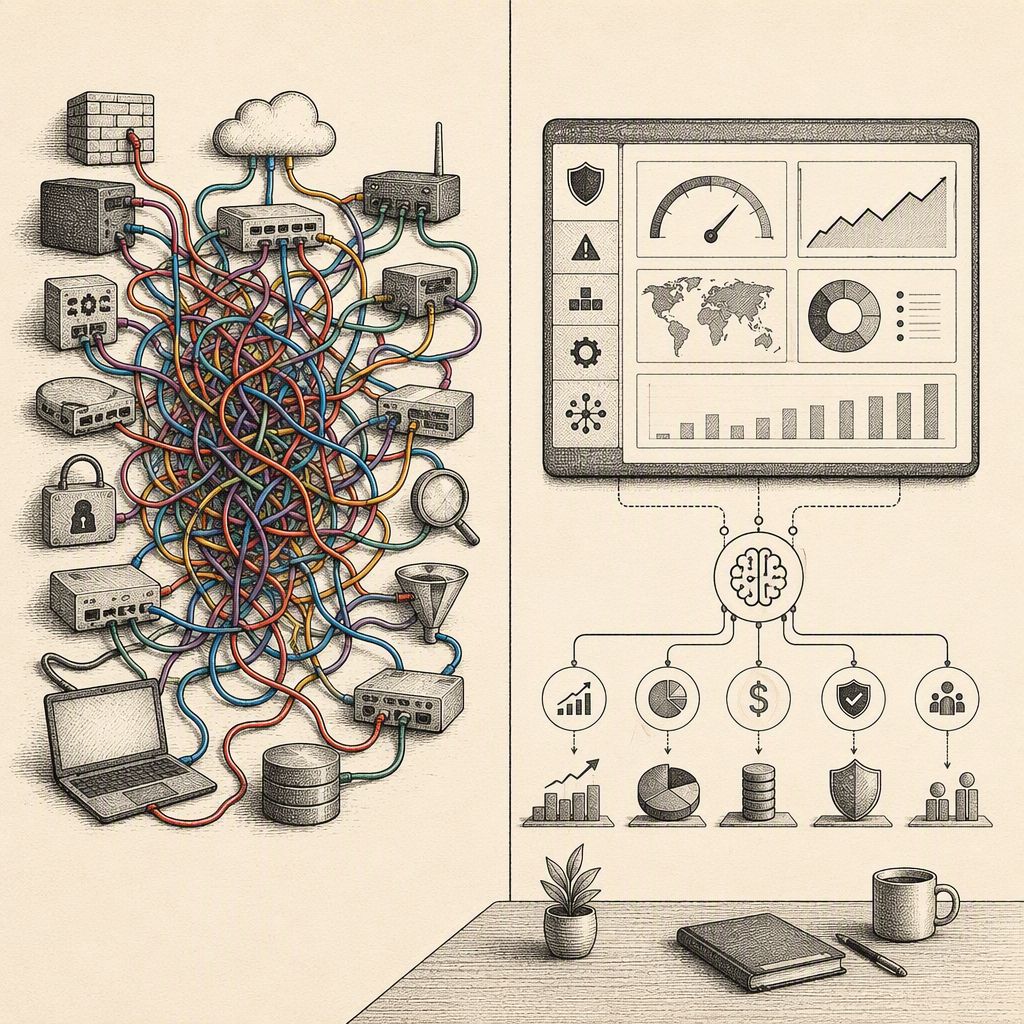
In an era marked by rapid technological advancement and an ever-expanding attack surface, Chief Security Officers (CSOs) face the daunting challenge of maintaining robust security postures while enabling business agility. Robert Huber, CSO at Tenable, shares critical insights into how his organization tackled pervasive issues of security tool sprawl and data silos by implementing an AI-driven exposure management program. This strategic initiative has been instrumental in unifying disparate security data into a cohesive view of cyber risk, thereby enhancing the ability to communicate effectively with executive leadership and the board.
The proliferation of security tools, a common response to emerging threats and compliance mandates, has led to significant fragmentation within many organizations. Huber notes that managing around 50 different security tools at Tenable, a situation mirrored across the industry, resulted in siloed teams, separate data views, and conflicting prioritization criteria. This complexity was visualized internally as a "spaghetti chart," illustrating the chaotic tangle of inputs from various security domains like EDR, vulnerability scans, and penetration tests. The lack of a unified approach made it difficult to derive actionable insights and effectively manage cyber risk.
This fragmentation directly impacted executive reporting. Huber recounts presenting board updates with dozens of slides filled with granular technical metrics, which often failed to resonate with business leaders. The fundamental questions from the board – "Are we secure?" and "How do we compare to peers?" – require answers framed in business terms, not raw operational data. The challenge lay in translating the vast amount of technical information into a clear assessment of business impact and risk, a task made nearly impossible by siloed data and tools.
An effective exposure management program, as implemented at Tenable, serves as a critical consolidation layer. It aggregates data from various security tools and processes, creating a single, unified view of the organization's cyber risk across its entire attack surface. This consolidated view allows CISOs to move beyond technical minutiae and focus on the business implications of cyber threats. By quantifying risk in the context of specific business units and their associated revenue, security leaders can better align security investments and remediation efforts with strategic business priorities.
The operational friction caused by siloed security data extended beyond executive reporting. Engineering and IT leaders, tasked with product development and maintenance, often received multiple, fragmented reports from the security team. This made it difficult for them to prioritize remediation efforts effectively, leading to inefficiencies and potential delays in addressing critical vulnerabilities. The exposure management program aims to streamline these workflows by providing a clear, prioritized roadmap based on business risk.
Furthermore, the rapid adoption of Artificial Intelligence (AI) presents new challenges and opportunities. Huber emphasizes the need for exposure management programs to adapt to and incorporate AI, both in terms of securing AI deployments and leveraging AI for enhanced security operations. The program's AI-driven nature helps in navigating the complexities of AI adoption, ensuring that security keeps pace with innovation without introducing unacceptable risks.
Ultimately, building trust in cybersecurity requires clear communication and demonstrable risk reduction. By shifting from a tool-centric, data-siloed approach to an AI-driven exposure management program, Tenable aims to provide its leadership and board with a clear, business-aligned understanding of its cyber risk posture. This strategic alignment is crucial for making informed decisions, allocating resources effectively, and ensuring the organization's resilience in an increasingly complex threat landscape.