
Tech Support Scams Evolve Beyond Fake Virus Warnings, Employing New Deceptive Tactics
Tech support scams are shifting tactics, moving beyond traditional fake virus alerts to leverage sponsored search results, fake listings, and renewal scams to ensnare victims.

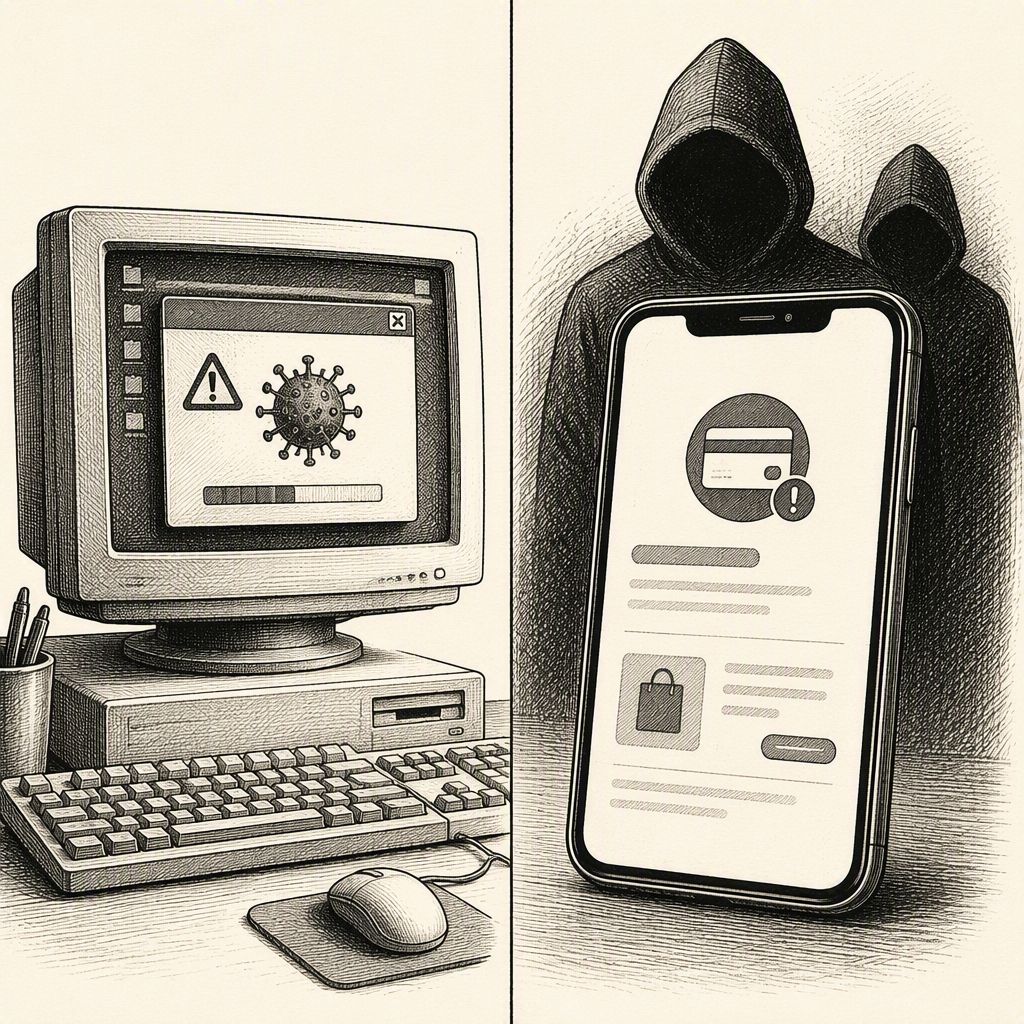
Tech support scams, a long-standing threat, are undergoing a significant evolution, moving beyond the familiar browser locks and fake virus warnings that once characterized them. Criminals are now employing a wider array of sophisticated methods to impersonate trusted technology and security companies, aiming to trick individuals into paying for unnecessary services, divulging personal information, or granting remote access to their devices. This shift reflects a broader trend in cybercrime towards more insidious and multi-faceted approaches.
The new wave of tech support scams leverages platforms and services that users already trust. Scammers are increasingly abusing sponsored search results, hijacking on-site search functionalities, and creating deceptive fake listings on reputable platforms. Furthermore, they are employing tactics such as "renewal scams" for non-existent subscriptions, sending fake calendar invites, and even mimicking legitimate Apple Pay notifications to create a sense of urgency and legitimacy. These methods are designed to catch potential victims off guard, making them more susceptible to the scammer's demands.
Once a victim makes contact, the scammers' primary goals remain consistent: to extract money, obtain sensitive personal data, or install remote access software. The ability to gain remote access to a victim's computer is a particularly potent weapon in their arsenal. This allows them to access all files, folders, and the sensitive information contained within, potentially leading to identity theft or further exploitation.
Malwarebytes, a prominent cybersecurity firm, finds itself a frequent target of these impersonation tactics. Scammers often adopt the guise of well-known security companies like Malwarebytes to exploit user trust. Key indicators that a support interaction is fraudulent include the use of names other than the legitimate company's, an unwillingness or inability to accept credit card payments (as legitimate companies use processors that screen for fraud and offer consumer protections), and unsolicited support calls. Malwarebytes emphasizes that it does not outsource its support and never initiates contact with users about computer problems they haven't reported.
Victims who fall prey to these scams are advised to take immediate action. If payment has been made, contacting credit card companies or banks is crucial. Depending on the region, filing a complaint with the FTC or local law enforcement may also be necessary. If passwords were shared, they should be changed immediately across all affected accounts, and enabling two-factor authentication (2FA) is highly recommended. Furthermore, running a system scan with reputable security software is essential, as scammers may leave backdoors for future access.
Malwarebytes is actively engaged in combating these evolving threats. Their researchers work closely with the Federal Trade Commission (FTC), providing technical evidence to aid in shutting down scam operations. They also focus on educating the public about emerging tactics and best practices for self-protection. As a supporting member of the Global Anti-Scam Alliance (GASA), Malwarebytes collaborates with other organizations to reduce the prevalence of scams and enhance online safety.
The sophistication and adaptability of tech support scams underscore the need for constant vigilance. Users are urged to be skeptical of unsolicited contact and to verify the legitimacy of any support requests. Tools like Malwarebytes Scam Guard can assist users in analyzing suspicious links, texts, and screenshots, providing an extra layer of defense against these persistent threats.
This new report details a specific, long-running SEO poisoning campaign named BengalSEO, which has been active since at least 2015. The campaign, operated from Rajasthan, India, by two IT service providers, uses compromised search results to deliver malware and facilitate tech support scams, including the deployment of the MayaBot and the notorious Tech Support Scams.