
Taiwan Charges Nine in Illegal AI Server Exports to China, Including Nvidia and Super Micro Staff
Taiwanese prosecutors have charged nine individuals, including employees from Nvidia and Super Micro, for illegally exporting advanced AI servers and semiconductors to mainland China.
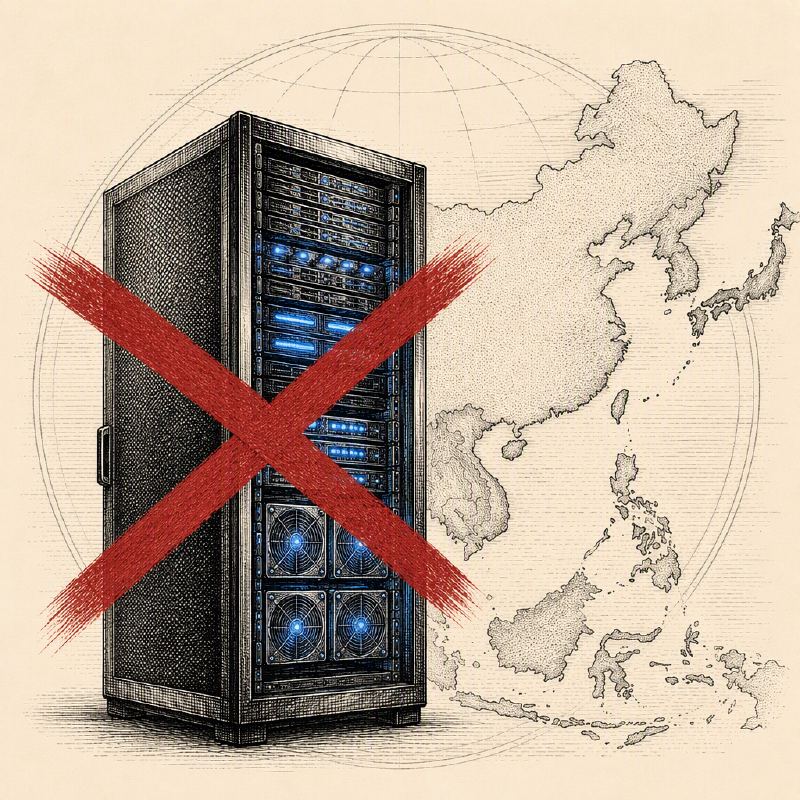
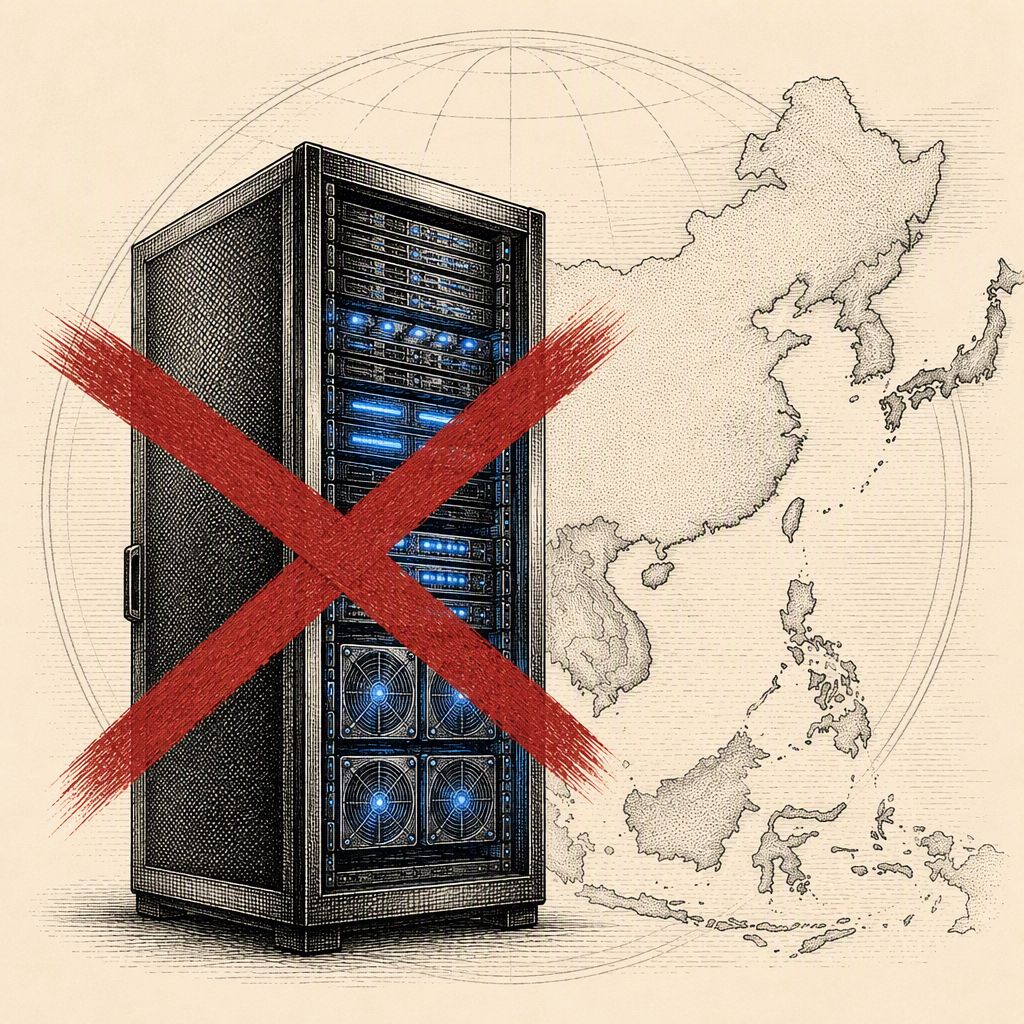
Taiwanese prosecutors have brought charges against nine individuals, including an employee from Nvidia and two former employees from Super Micro, for their alleged involvement in the illegal export of high-end AI servers and advanced semiconductors to mainland China. This development adds another layer of complexity to the ongoing geopolitical and technological competition between the United States and China, particularly concerning the control and distribution of critical AI infrastructure.
The investigation, led by the Keelung District Prosecutors’ office, centers on the illicit transfer of "B300" graphics processing units (GPUs), which are integral to powering advanced AI systems. These specific GPUs are subject to stringent export controls, especially to China, due to their strategic importance in artificial intelligence development. According to the prosecutors' office, the servers involved were banned from sale to China, highlighting the deliberate nature of the alleged violations.
AI infrastructure, heavily reliant on advanced semiconductors predominantly manufactured in Taiwan, has become a focal point of the technological rivalry between the U.S. and China. The U.S. has progressively tightened restrictions on the export of high-end AI chips to China since 2022, with further measures in 2025 requiring licenses for certain Nvidia chips and impacting the sale of AI servers. The regulations mandate strict review processes for AI server exports and require on-site checks for purchases exceeding a certain threshold.
Prosecutors revealed that a total of 74 servers were successfully exported to China through various routes, including shipments via Indonesia, direct delivery, and transits through Japan and Hong Kong. An additional attempt involving 56 servers was thwarted, with those units remaining in Taiwan. The alleged scheme involved defendants setting up a company in Japan to facilitate the transfer of eight servers and employing tactics such as creating fake websites and falsifying information to circumvent export controls.
Nvidia has stated its commitment to cooperating with Taiwanese authorities to resolve the allegations swiftly. A spokesperson for Nvidia, Patrick Rutherford, confirmed the company's engagement in the process. Super Micro also acknowledged the arrests of its former employees, attributing them to its proactive cooperation with Taiwanese authorities and emphasizing its ongoing efforts to strengthen its export compliance program to safeguard American innovation.
Prosecutors are seeking maximum five-year sentences for four of the defendants, including the Nvidia manager identified as the "key figure" responsible for authorizing the release of the B300 GPUs. The document notes this individual demonstrated a "clearly poor attitude following the offense," suggesting a lack of remorse or cooperation during the investigation.
This case underscores the significant challenges in enforcing export controls on cutting-edge technology amidst intense global competition. The illegal diversion of advanced AI hardware not only violates international trade regulations but also has implications for national security and the balance of technological capabilities between major global powers.
The ongoing efforts by Taiwanese authorities to crack down on such illicit activities demonstrate a commitment to upholding international sanctions and preventing the proliferation of sensitive technologies to restricted nations, particularly in the rapidly evolving landscape of artificial intelligence.