
SYS010 Malware Targets Meta Business Accounts via Fake Facebook Ads
A new malware strain, SYS010, is being distributed through deceptive Facebook advertisements, aiming to steal sensitive Meta Business account information and Gmail data.
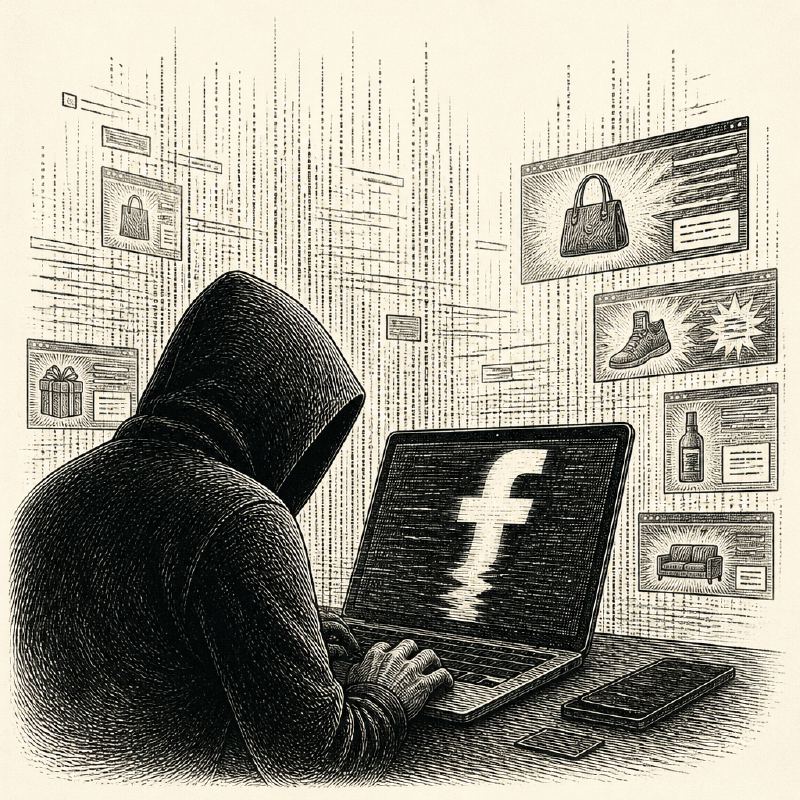
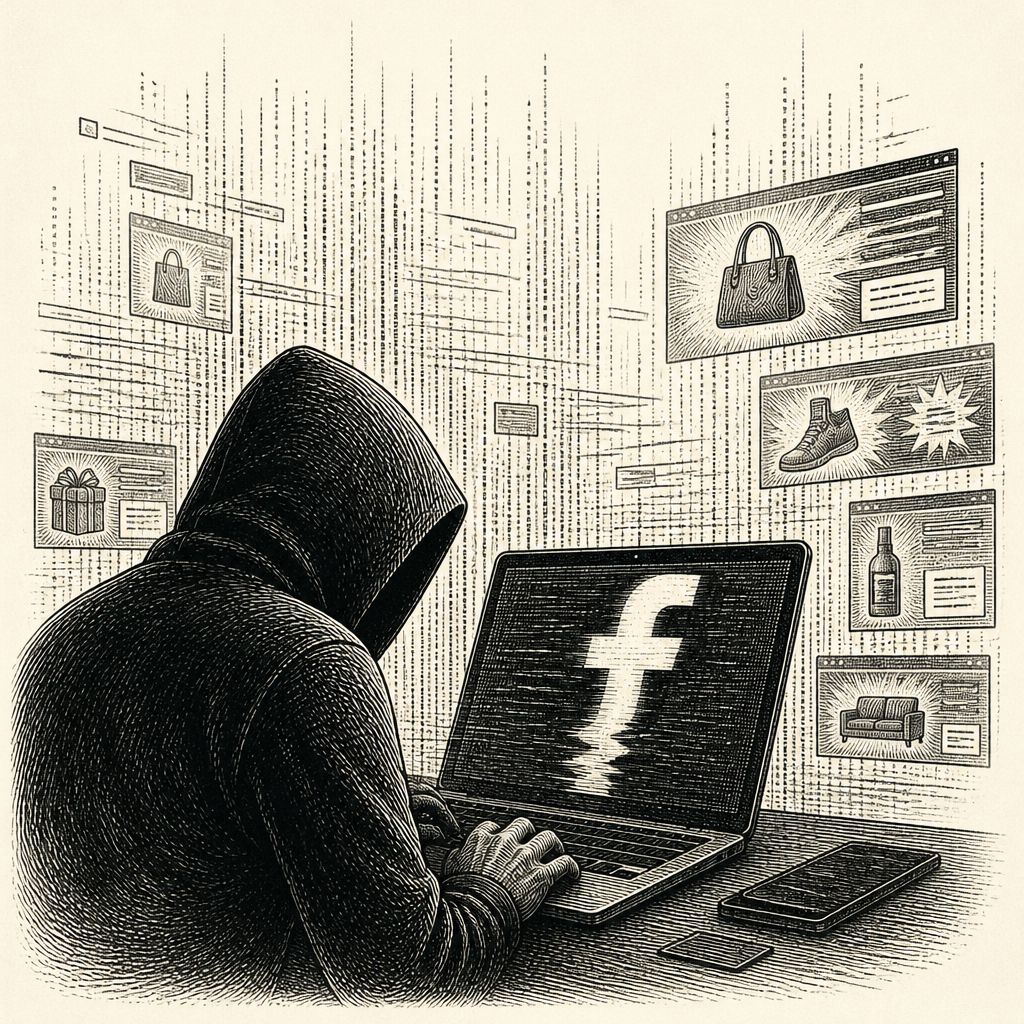
A sophisticated malware campaign is leveraging fake Facebook advertisements to distribute a new information-stealing malware known as SYS010. These deceptive ads, masquerading as offers for free animated Windows wallpapers, are designed to trick users into downloading a package that includes a legitimate wallpaper application alongside a malicious background component. Researchers at Bitdefender Labs first observed these malicious ads on October 16, 2026, and have identified SYS010 as a likely successor to the earlier SYS01 malware, sharing its focus on hijacking business accounts.
The campaign's initial lure involves ads impersonating popular software like Wallpaper Engine. These ads direct users to download sites that offer a substantial ZIP archive, often containing a legitimate executable file. However, this executable is modified to load additional malicious files supplied by the attackers. Once installed, the malware operates discreetly, using a PHP loader to register the infected machine with an attacker-controlled server. This server then dictates which compromised devices will receive the next stage of the attack.
SYS010's primary objective is to steal valuable data from Meta Business accounts and webmail services. On targeted machines, the malware exploits browser management features, typically used by IT administrators, to force the installation of malicious extensions into popular browsers such as Chrome, Edge, and Firefox. This technique makes the malicious add-ons more persistent and harder for users to detect and remove. The extensions are capable of stealing session cookies, which can grant attackers unauthorized access to authenticated user sessions.
For users logged into Facebook, the stolen session cookies can provide access to Pages, Business Managers, and ad accounts. This includes sensitive information such as advertising spending habits and payment details, making it a lucrative target for cybercriminals. The theft of advertising access and billing data has been a recurring theme in previous information-stealing campaigns, highlighting its value.
The Chrome variant of SYS010, identified as the 'Docs Helper' extension, possesses even more alarming capabilities. It can access and exfiltrate up to 50 recent emails from Gmail and Outlook accounts, including those in spam folders. The stolen email content, including sender and subject lines, is then sent to the malware operators. Crucially, this extension can also permanently delete selected emails, a feature that could be used to erase security warnings or notifications that might alert the victim to the compromise.
The implications of a successful SYS010 infection extend beyond mere account access. Compromised Meta Business accounts can provide attackers with a trusted business identity, which can then be used to fund further malicious advertising campaigns. Furthermore, access to the associated email account can expose critical login codes and password reset messages, creating a pathway for further account takeovers and escalating the potential damage.
To mitigate the risk, users are advised to download software exclusively from official vendor websites or trusted app stores. Unusual administrator prompts on Windows systems should be treated with caution, and any unexpected "managed by your organization" notices in personal browsers warrant immediate investigation. Businesses should also regularly review active email sessions, recovery settings, and Meta Business account activity for any suspicious users, ads, or financial changes. The ability of SYS010 to hide its tracks by deleting emails underscores the importance of proactive security measures and vigilance.