
Suspected Spy Recruitment Campaigns Exploit Telegram with Thousands of Fake Job Posts
Researchers have uncovered over 3,000 Telegram posts from 88 accounts, suspected to be part of spy recruitment campaigns, with some explicitly claiming to recruit for Iranian intelligence.
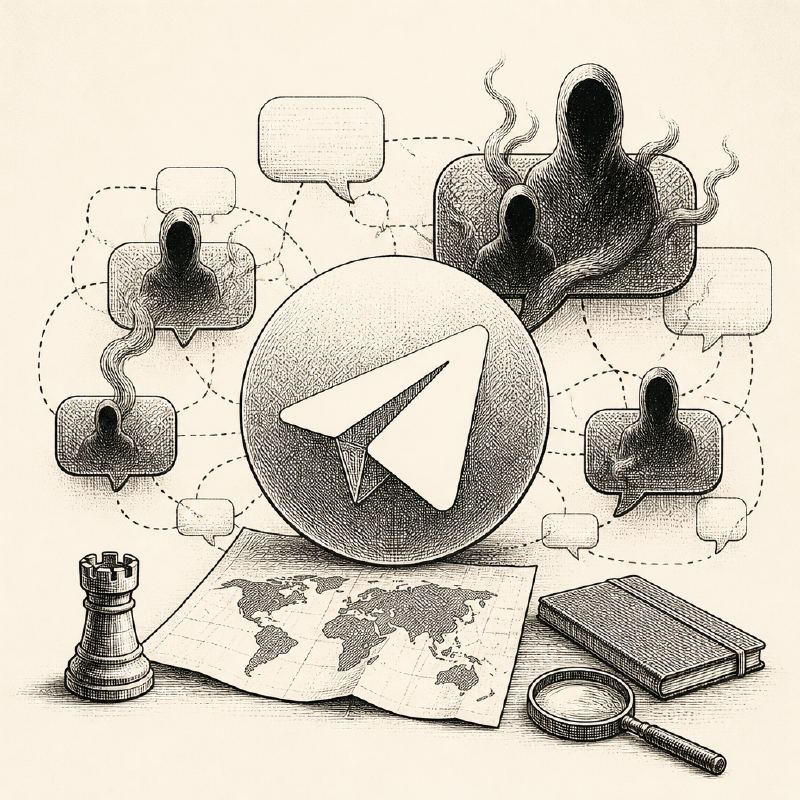
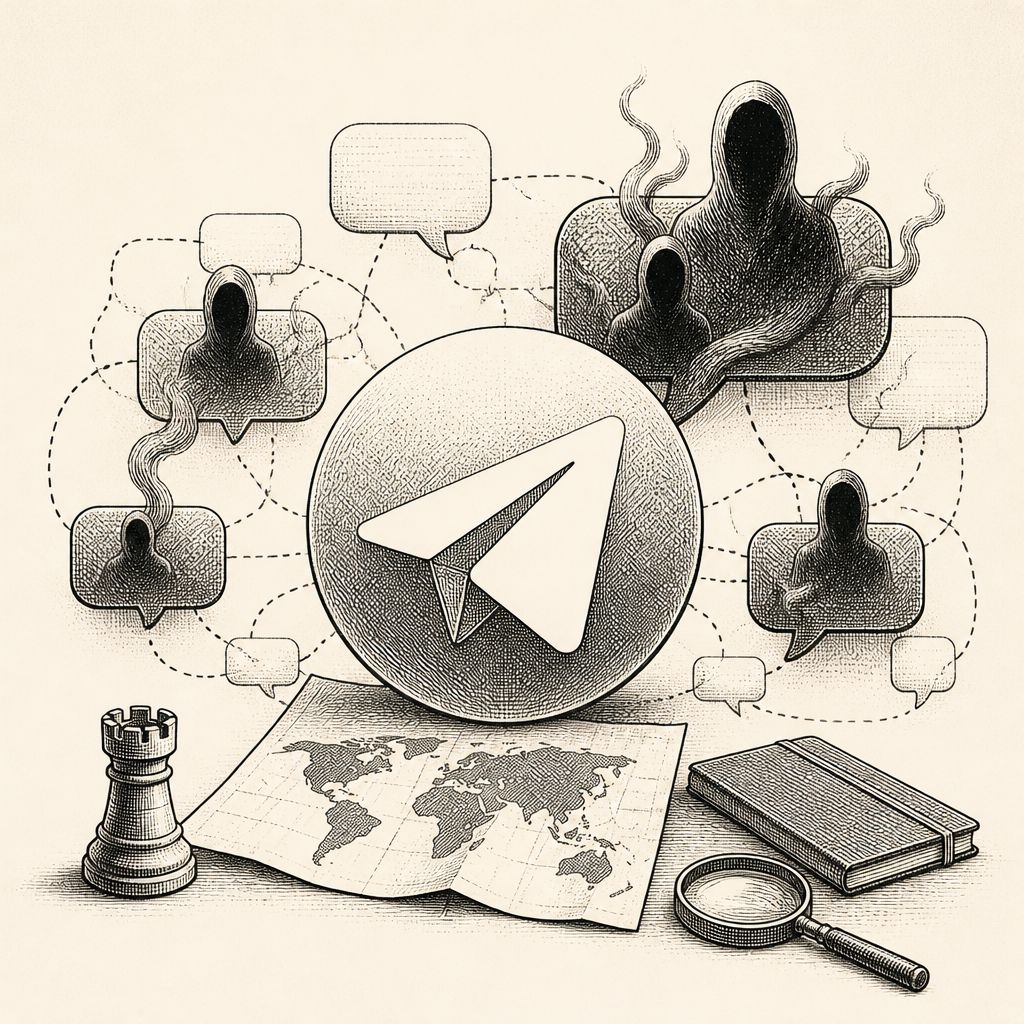
Investigators have identified a widespread operation utilizing Telegram to recruit individuals for intelligence-related activities, uncovering 3,089 recruitment posts from 88 distinct accounts between August 2024 and October 2026. These posts appeared across various Telegram communities globally, including job boards, student groups, and political discussion forums, reaching users in Israel, the Gulf, Europe, and the United States. While some advertisements openly declared recruitment for Iranian intelligence, others offered paid work without specifying the employer, making attribution more challenging.
Researchers from Group-IB meticulously tracked these public posts, noting a significant surge in activity in March 2026. This period saw a nearly sixteenfold increase in posts compared to the previous month, coinciding with the launch of 'Operation Epic Fury.' One account alone was responsible for over a thousand of these March posts, highlighting the potential for coordinated activity. However, Group-IB's analysis, which focused on public posts rather than private communications or completed tasks, did not uncover any associated malware.
The investigation revealed sophisticated tactics employed by the actors behind these campaigns. For instance, one Telegram channel mimicked the branding of a legitimate U.S. environmental consultancy, SWCA Environmental Consultants, initially soliciting reports on pollution and later offering payment for inspecting specific locations. Group-IB found no evidence of the real company's involvement in these posts, suggesting a deliberate impersonation strategy.
Beyond overt job offers, recruitment contacts were also embedded within seemingly unrelated content. This included conflict updates, breaking news posts, and advertisements placed on open-source intelligence channels. A notable portion of posts classified as 'alerts' or 'demoralizing content' also contained recruitment contacts, indicating an effort to reach potential targets through diverse channels and contexts.
Attribution remains a key challenge, as many posts lacked explicit references to Iran or Iran-linked recruitment contacts. Approximately 41% of the identified posts fell into this category. The report emphasizes that while the timing and scale of the surge are clear, the specific orchestrators and motivations behind it are not definitively established by the research.
Group-IB did not independently attribute the campaigns to Iran or any other state actor. The research focused on identifying patterns and connections, such as identical wording across renamed accounts or consistent posting schedules, which are crucial signals for investigators. The report also provided indicators of compromise, including specific account display names and posting patterns, to aid in detection.
For individuals encountering such offers, the advice is to exercise extreme caution. Warning signs include unverified employers, unusually high pay for unclear work, and requests for sensitive information like location proof, footage, or identity documents. Verifying employers through independent channels and reporting suspicious activity to local authorities are recommended steps for job seekers.