
Supply Chain Attacks Weaponize Developer Machines for Cloud Breaches
Attackers are increasingly compromising developer machines and build systems through malicious packages, turning them into gateways for extensive cloud infrastructure breaches.
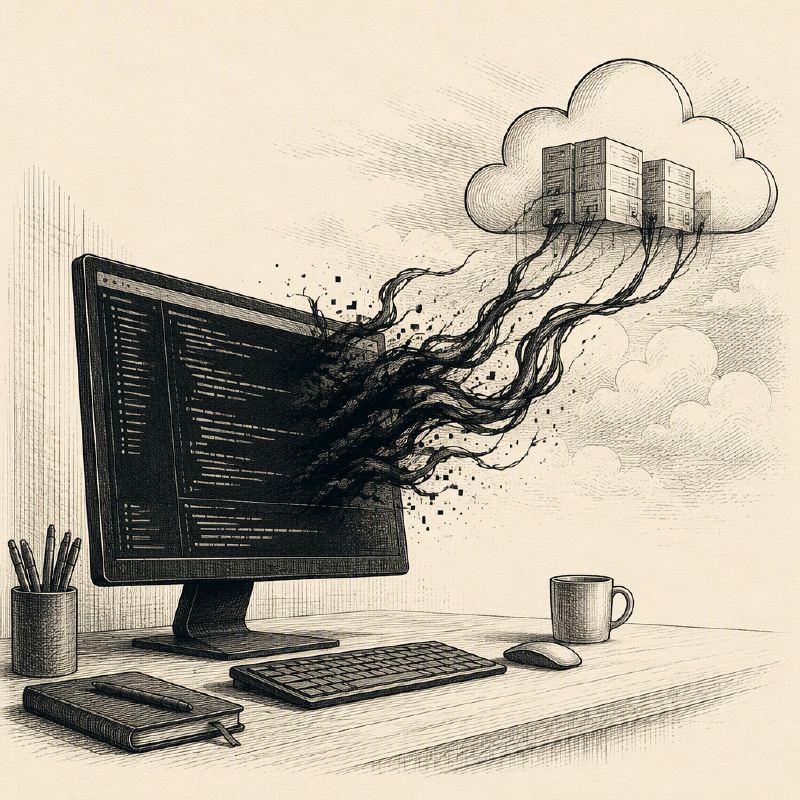
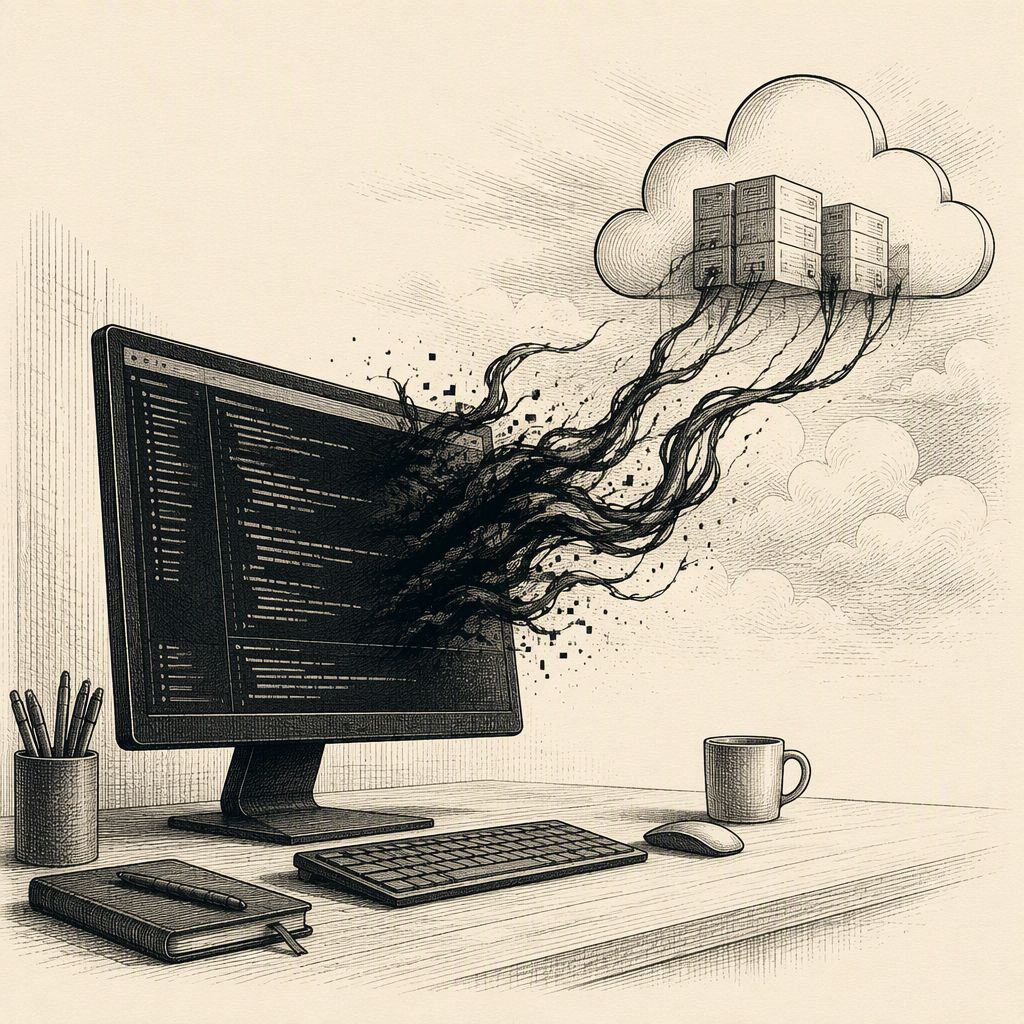
The landscape of supply chain attacks has evolved, with threat actors now directly targeting developer workstations and automated build environments. By injecting malicious code into seemingly legitimate software packages and development tools, attackers can execute harmful scripts during the installation process, effectively bypassing traditional security measures before an application even reaches production. This sophisticated approach allows for the theft of sensitive cloud credentials, access to critical infrastructure, and the establishment of persistent footholds within an organization's cloud environment.
Multiple threat campaigns have been observed employing these tactics. The Shai-Hulud malware, first identified in September 2025, was an early example, but subsequent operations have expanded to target various programming ecosystems and security utilities. Later variants, such as Mini Shai-Hulud, demonstrated an even more insidious approach by executing malicious scripts before the package installation was fully complete. A significant wave in May 2026 compromised 323 packages, highlighting the widespread risk. Even if an installation is cancelled after the malicious script runs, attackers may have already exfiltrated vital repository tokens, cloud keys, and infrastructure secrets.
Beyond package managers, attackers are also compromising the build environment itself. Threat actors like BufferZoneCorp have distributed malicious Ruby gems and Go modules disguised as essential developer utilities. These malicious tools not only steal secrets but also weaken package verification mechanisms, intercept commands, and can even install attacker-controlled keys to maintain remote access. Similarly, the TeamPCP group has targeted trusted scanning tools and libraries, further eroding the security of the development pipeline.
The potential impact of these attacks is starkly illustrated by incidents such as the European Commission cloud breach. In this case, attackers moved from a compromised development tool to gaining unauthorized access and exfiltrating data from the cloud infrastructure. Between April 21 and 23, 2026, a coordinated wave of attacks struck popular package repositories like npm, PyPI, and Docker Hub within a mere 48-hour period, demonstrating the speed and breadth of these supply chain compromises.
Qualys researchers emphasize that developer environments and cloud infrastructure should be viewed as a single, interconnected attack surface. Developer machines are often repositories of critical secrets, including cloud access keys, repository tokens, publishing credentials, and private keys. When these secrets are compromised, the fallout can extend far beyond the initial software project, even if the compromised application never makes it to a production environment.
Recovery from such attacks requires a comprehensive approach. Simply removing the malicious package is insufficient. Organizations must identify all credentials accessible by the compromised machine or build system, revoke and rotate any exposed secrets, and meticulously review cloud activity logs for the entire period of potential exposure. Proactive measures include approving dependencies, pinning package versions using lockfiles, and disabling automatic installation scripts where possible, or ensuring they are thoroughly reviewed.
Furthermore, security best practices for build jobs should be enforced, granting only the minimum necessary permissions. The use of short-lived credentials can significantly reduce the risk associated with permanent keys. Robust cloud policies, including the protection of audit logs against tampering and vigilant monitoring for unusual activity, are crucial. Finally, restricting access to cloud metadata services for build systems that do not require them, and enforcing strong authentication mechanisms like AWS IMDSv2, can further harden cloud environments against these sophisticated supply chain threats.
The ongoing evolution of supply chain attacks underscores the critical need for a unified security strategy that spans the entire software development lifecycle, from the developer's workstation to the deployed cloud infrastructure. Organizations must remain vigilant and adapt their defenses to counter these increasingly pervasive threats.