
Supply Chain Attack Backdoors Six WordPress Plugins, Thwarted by WordPress.org Safeguards
A coordinated supply chain attack injected backdoors into six WordPress plugins from WP connect, but WordPress.org's release safeguards prevented distribution to users.
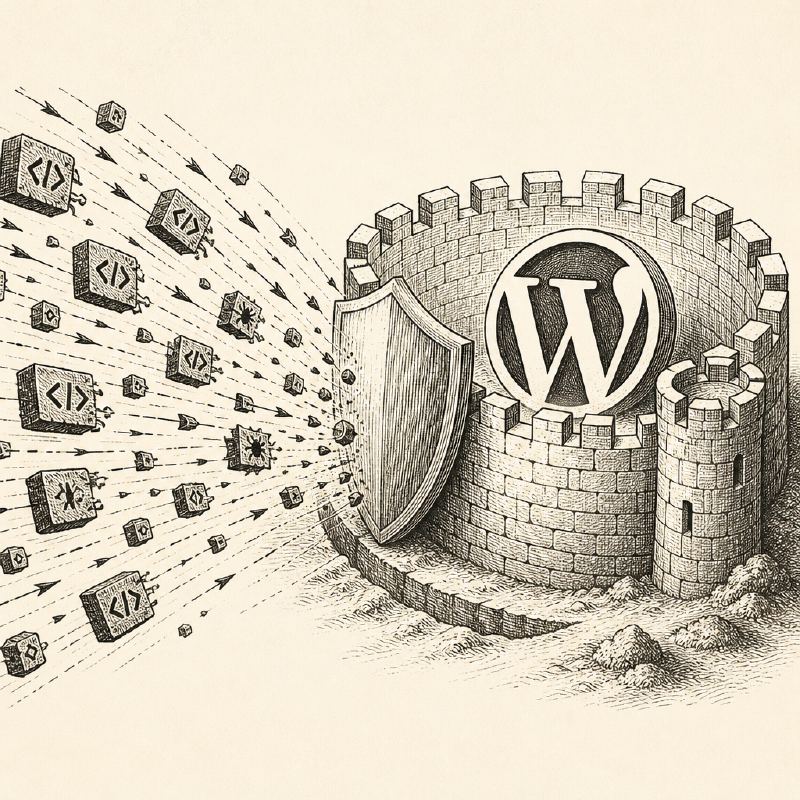
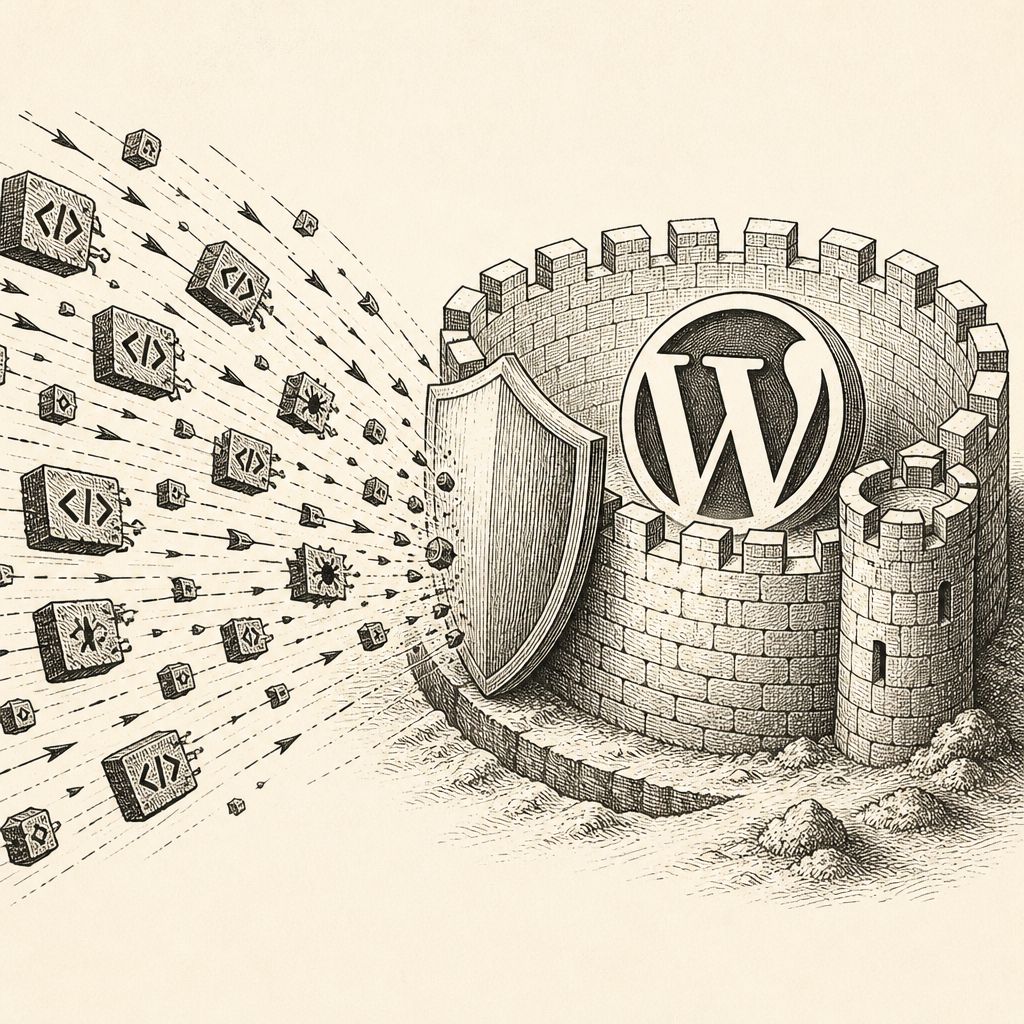
On November 22nd, 2026, a threat actor attempted to compromise websites by injecting malicious backdoors into six WordPress plugins developed by WP connect. These plugins, including popular ones like Air WP Sync, WP Sync for Notion, and Add-on Brevo for Gravity Forms, collectively had over 3,600 active installations. The malicious code, inserted directly into the plugin repositories, was designed to establish a connection with an attacker-controlled command-and-control (C2) server, enabling remote code execution and the ability to run arbitrary shell commands.
Fortunately, the integrity of WordPress sites remained largely intact due to the proactive security measures implemented under WordPress.org's "Protect The Shire" initiative. These safeguards detected the compromised versions before they could be distributed to end-users. Consequently, all six affected plugins were promptly closed on the WordPress.org platform on the same evening the malicious code was pushed. While the WordPress plugins team independently identified and neutralized the threat, Wordfence's PRISM research agent also detected the malicious activity and alerted the team, confirming the severity of the attack.
The backdoor module, identified as includes/airwp-online.php, was embedded in the affected plugins and executed on every request via the init hook, as well as through a scheduled WP-Cron event. This module would transmit site information, including the URL, PHP and WordPress versions, and server user, to a C2 server at tascredit-pay.com without proper TLS certificate verification. The threat actor could then send arbitrary PHP code to be executed on the compromised server, leading to potential data theft, webshell deployment, and persistent code execution.
The attack vector involved the direct commitment of malicious code to the WordPress.org repositories by the developer's own account. Over a two-hour period on November 22nd, new releases containing the backdoor were pushed for Air WP Sync (versions 2.9.1-2.9.4) and five other plugins: WP Sync for Notion (1.7.4), Add-on Brevo for Gravity Forms (2.6.3), Add-On for Contact Form 7 to Airtable (2.5.4), Add-On for Contact Form 7 to Notion (1.6.4), and Orders Sync to Airtable for WooCommerce (1.0.2). The versions immediately preceding these releases were clean.
This incident highlights a critical supply chain vulnerability where the integrity of the software supply chain itself is compromised. Unlike typical vulnerabilities that arise from coding errors, this backdoor was deliberately inserted. While no patch is available as the malicious code was never distributed, users who may have inadvertently installed one of the affected versions are strongly urged to remove the plugin immediately and conduct a thorough malware scan of their WordPress site. Wordfence is developing malware signatures to detect the backdoor for its premium users.
The vulnerability, tracked by Wordfence Intelligence as CVE-2026-135202, received a critical CVSS rating of 9.8. The affected plugins remain closed on WordPress.org, and the security community is monitoring for any further developments. This event underscores the importance of robust release safeguards and continuous monitoring in open-source ecosystems to prevent widespread compromise.