
Storm-0501 Evolves Cloud Ransomware Tactics, Hijacking Azure Tenants
Cybercrime group Storm-0501 is shifting ransomware attacks to the cloud, systematically hijacking Azure tenants by disabling security controls and backups, according to Tenable.
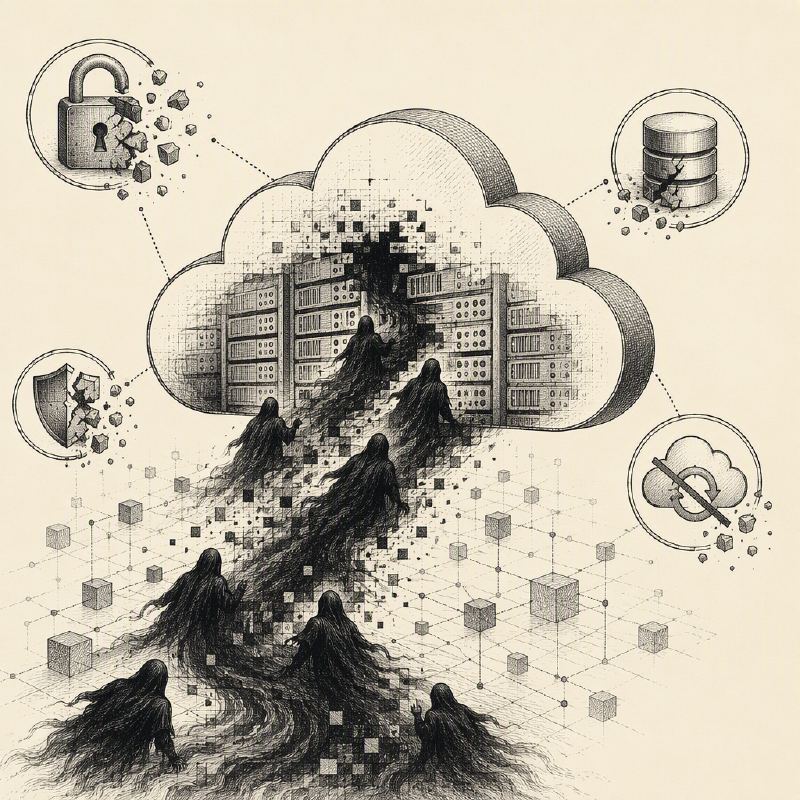
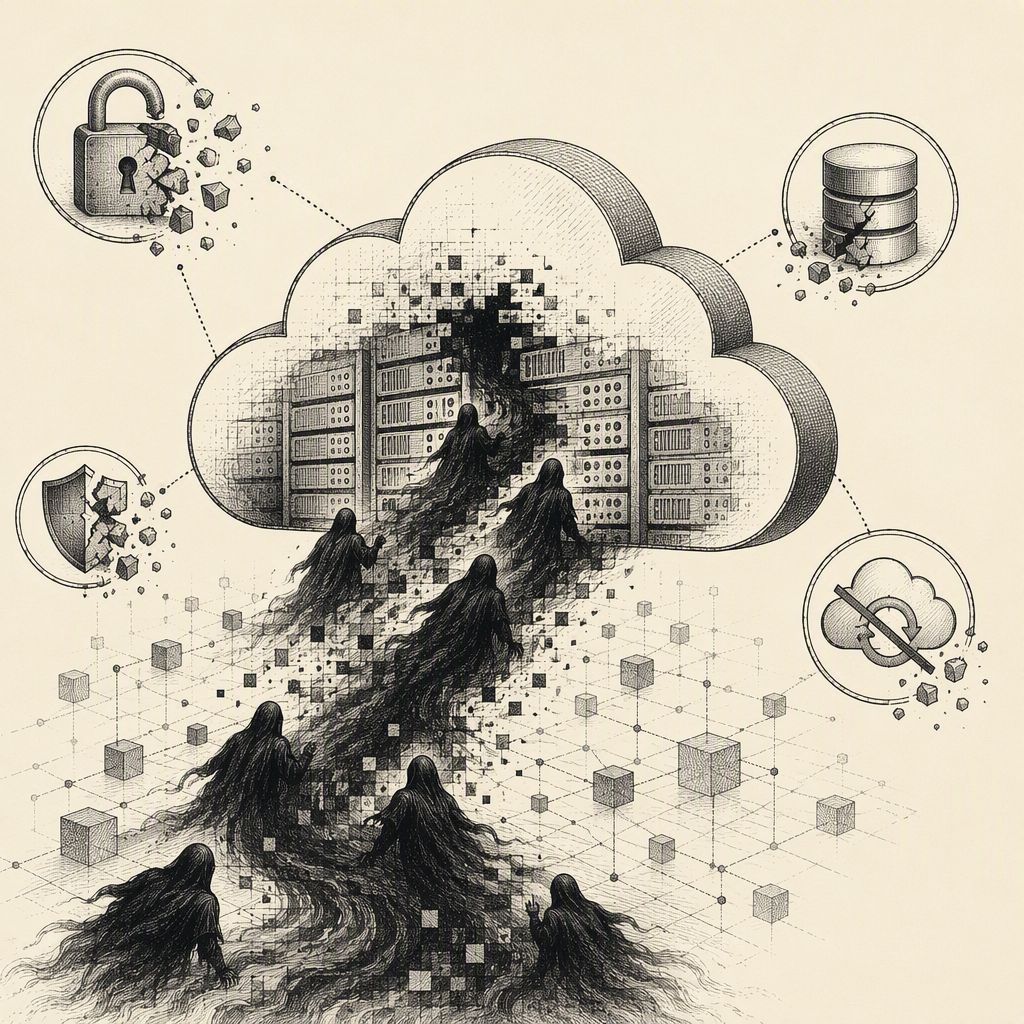
Cybercrime group Storm-0501 has evolved its ransomware tactics, moving beyond traditional endpoint encryption to the complete hijacking of cloud tenants, particularly within Microsoft Azure environments. This sophisticated shift involves neutralizing critical security measures such as resource locks, immutability policies, and backups, making early detection of configuration changes paramount for intervention.
Historically, ransomware was confined to encrypting local drives on compromised workstations or servers. However, Storm-0501 exemplifies a new breed of financially motivated threat actors who target the cloud control plane itself. They achieve this by compromising high-privilege administrative identities, weaponizing native cloud tools, and systematically dismantling defensive barriers to gain full control of cloud environments from the inside out. Microsoft has observed this group bridging on-premises Active Directory systems with cloud-native Microsoft Entra ID and Azure, demonstrating a mature understanding of both environments.
In 2024, Storm-0501 began extending its on-premises ransomware strategies into the cloud. This expansion leverages cloud-native capabilities to evade detection, exfiltrate sensitive data, destroy backups, and ultimately demand ransom payments. This new paradigm of cloud ransomware necessitates a move beyond traditional endpoint monitoring to embrace Cloud Detection and Response (CDR) solutions that offer comprehensive visibility into the entire attack chain.
Tenable One Cloud Exposure is detailing these evolving tactics, techniques, and procedures (TTPs) of Storm-0501. The platform uses AI-powered threat stories to map these sophisticated maneuvers, providing robust protection across the attack chain and extending exposure management into post-compromise incident response. Even if initial breach access is achieved, Tenable One's contextual detections aim to empower defenders to maintain control, trace lateral movement, and neutralize attacks before critical data can be seized, encrypted, or destroyed.
The CDR capabilities within Tenable One aggregate Azure activity logs into cohesive threat stories, directly mapping Storm-0501's actions to the MITRE ATT&CK framework. This allows for rapid triage and containment. Key containment actions include scoping and revoking compromised identities, reverting unauthorized role assignments, analyzing the blast radius of the attack, and restoring defensive measures like Azure Resource Locks and immutability policies.
For organizations facing such attacks, Tenable One's threat stories guide immediate containment. This involves identifying the initial breach point of an Entra ID Global Administrator role, terminating active sessions, revoking refresh tokens, and rotating credentials. Defenders can also trace role-assignment events to strip attacker-assigned privileges and delete unauthorized persistence accounts or guest users.
Furthermore, if the attack trail indicates the deletion of Azure Resource Locks, immutability policies, or Azure Recovery Services vaults, security teams can immediately re-apply these barriers. In cases where adversaries create unauthorized Azure Key Vaults or encryption scopes to lock storage accounts, Tenable One facilitates revoking attacker access, restoring soft-deleted keys, taking ownership of the vault, and re-encrypting data under the organization's own keys before the soft-delete window expires.
The campaign orchestrated by Storm-0501 highlights the critical need for a unified view that connects disparate alerts, providing clarity, context, and insight into complex cloud maneuvers. Tenable One's CDR capabilities aim to transform these complex attacks into clear, actionable threat stories, enabling organizations to intercept ransomware at its earliest stages within the cloud.