
Stack-Based Buffer Overflow in Oracle VirtualBox VMSVGA Graphics Device Allows Guest Privilege Escalation
A stack-based buffer overflow vulnerability in Oracle VirtualBox's VMSVGA graphics device (CVE-2026-46873) lets an attacker with high guest privileges escalate to root within the virtual machine.
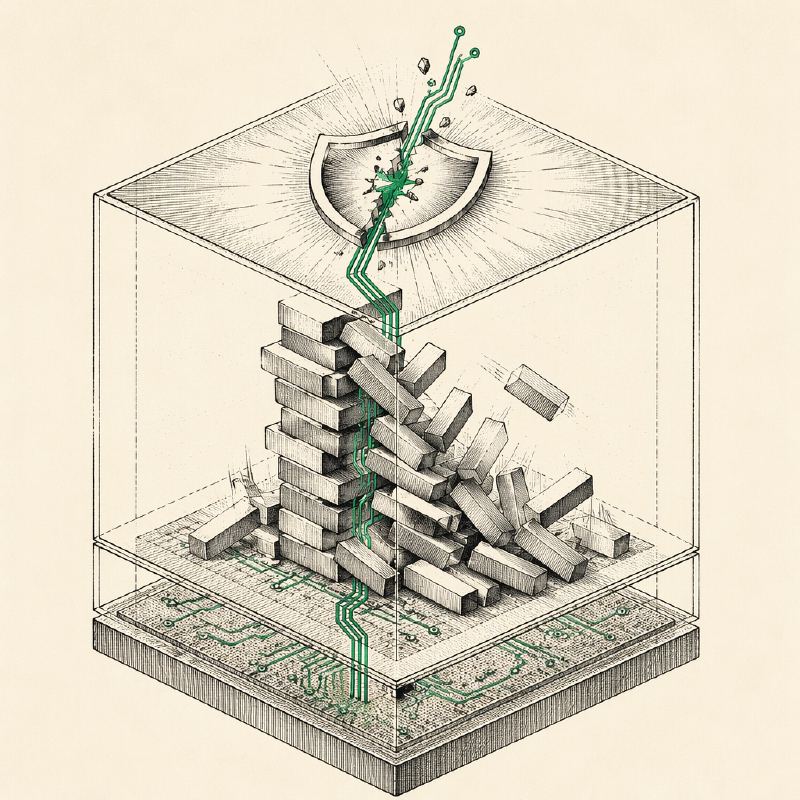

Oracle VirtualBox, the widely used x86 virtualization hypervisor, contains a stack-based buffer overflow in its VMSVGA graphics device implementation. Tracked as CVE-2026-46873 and disclosed via the Zero Day Initiative as advisory ZDI-26-362, the vulnerability carries a CVSS score of 7.5, indicating high severity.
The flaw resides in how VirtualBox handles graphics operations through the VMSVGA device, which provides VMware SVGA II-compatible graphics acceleration for guest operating systems. A stack-based buffer overflow occurs when insufficient bounds checking is performed on input passed to this device. An attacker who already holds high-privileged code execution on the guest system — for example, kernel-level or root access — can trigger the overflow to escalate privileges further within the virtualized environment. While the attacker must first have elevated access inside the guest, successful exploitation could extend their control over guest resources beyond intended boundaries.
Because the vulnerability is local to the guest, the primary risk is to multi-tenant or shared virtualized environments where users are granted administrative access to their own virtual machines but should not be able to break out of assigned isolation. In such settings, a malicious guest administrator could leverage this bug to gain root-level privileges on the guest OS, potentially compromising other workloads or host-side management interfaces that interact with the guest.
Oracle has been notified of the issue through ZDI's responsible disclosure process. At the time of publication, no official patch has been released, but Oracle typically addresses VirtualBox vulnerabilities in its quarterly Critical Patch Updates. The next scheduled CPU is expected to include a fix for CVE-2026-46873. Users are advised to apply the update as soon as it becomes available and to restrict guest administrator access to trusted users only in the interim.
The VMSVGA device has been a recurring source of security issues in VirtualBox; previous stack and heap overflows in the same component have been patched in earlier advisory cycles. This pattern underscores the challenge of emulating complex graphics hardware in hypervisors, where memory safety errors are difficult to eliminate. Organizations relying on VirtualBox for development environments, CI/CD pipelines, or desktop virtualization should prioritize patching this vulnerability when the update lands.