
SpecterOps Unveils Blacklight Toolkit to Detect AI Coding Agent Artifacts
SpecterOps has released Blacklight, an open-source toolkit designed to identify sensitive data left behind by AI coding agents on developer workstations.
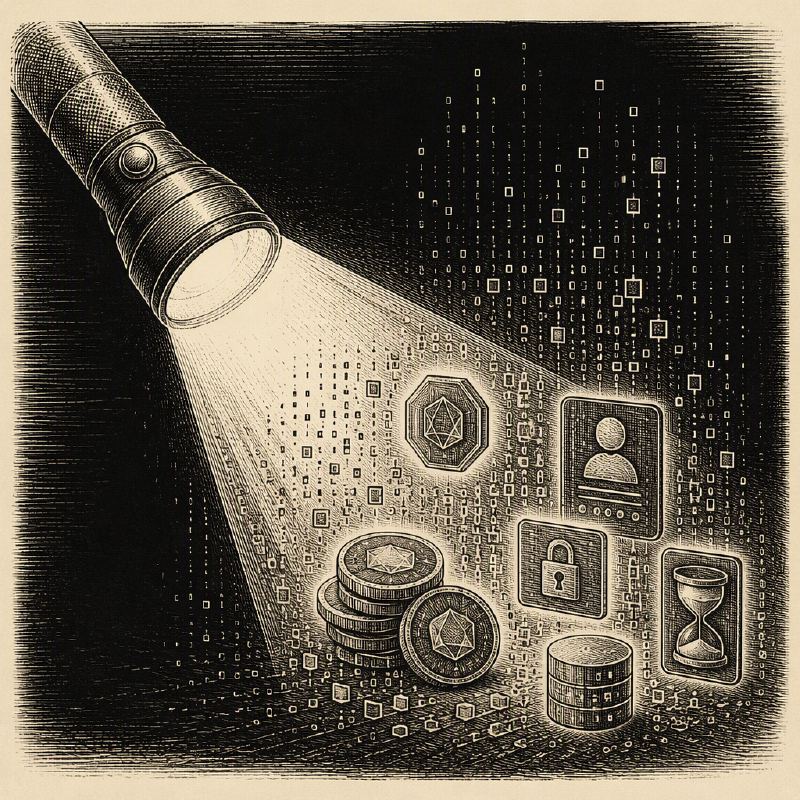
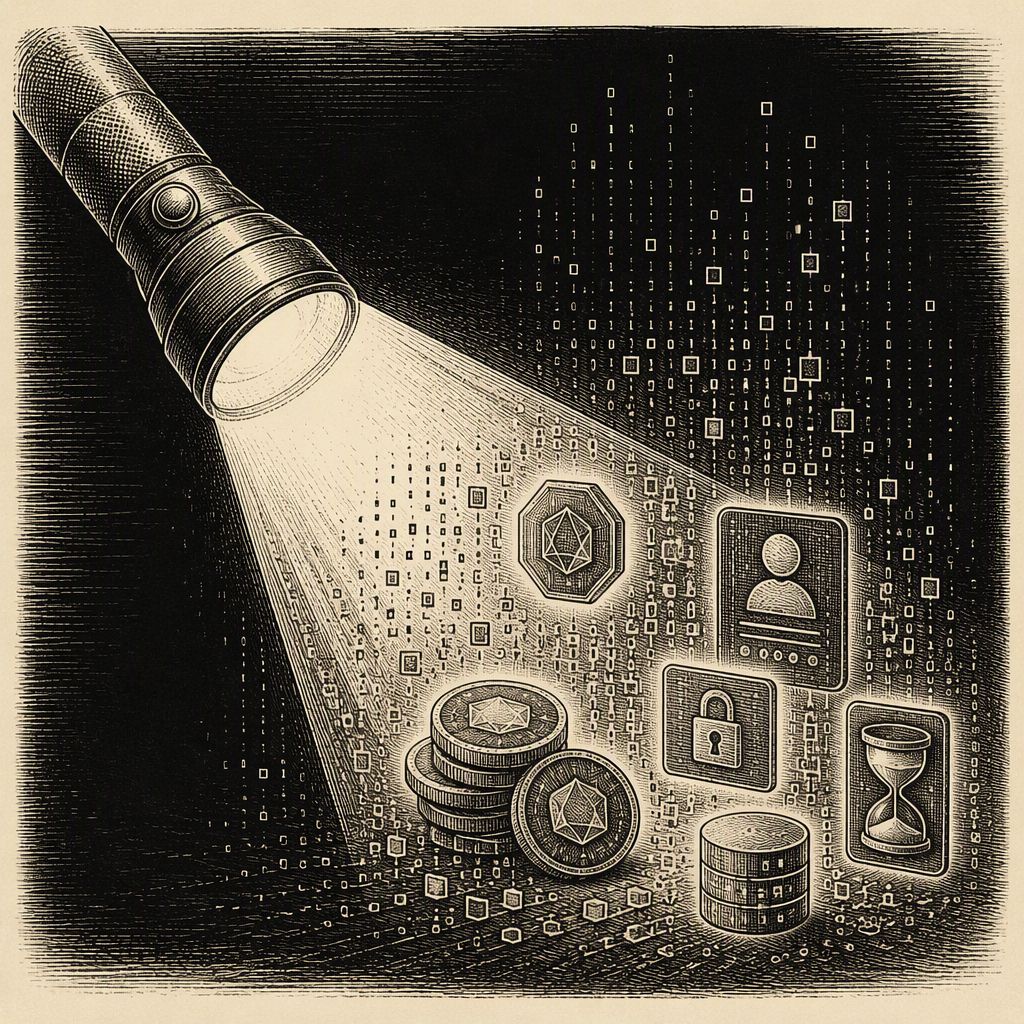
SpecterOps has introduced Blacklight, a new open-source toolkit aimed at helping security professionals detect and analyze artifacts left by popular AI coding agents such as Codex, Claude Code, Cursor, and the Antigravity CLI. These powerful tools, increasingly used by developers to write code, troubleshoot issues, and interact with cloud resources, can inadvertently expose sensitive information including authentication tokens, session histories, and project details on local workstations. The emergence of these AI agents presents a novel endpoint security challenge, as their local files can become a treasure trove for attackers who gain access to a compromised machine.
Blacklight is designed to provide authorized security teams with a clear understanding of this emerging exposure. Instead of indiscriminately collecting all files, the toolkit first identifies the presence of installed AI agents. It then prioritizes and ranks the artifacts most likely to contain sensitive information, streamlining the review process and focusing defender efforts on critical data. This targeted approach aims to reduce unnecessary data collection while enhancing the ability to protect vital information.
The toolkit identifies several categories of high-risk artifacts. Authentication files, such as .codex/auth.json for Codex or credential files for Claude Code, are flagged as particularly sensitive. These files can contain access tokens, refresh tokens, account identifiers, and OAuth-related information, which, if compromised, could allow an attacker to impersonate legitimate user sessions or gain extended access.
Configuration files also present a significant risk. Blacklight analyzes settings that might reveal the AI models a user is running, trusted projects, command approval configurations, sandbox rules, and environment variables. Crucially, these environment variables can sometimes include API keys, cloud credentials, or connection details for external model providers, offering attackers potential pathways into other systems or services.
Session transcripts, representing the chat history with AI agents, are another key area of concern. These logs can expose details about a user's current projects, internal file paths, repository names, debugging output, deployment instructions, internal URLs, and executed commands. Even without direct credentials, this information provides valuable business context and operational insights that attackers can leverage to identify critical infrastructure or potential follow-on targets.
Blacklight offers multiple modes of operation. Its 'Scout' component provides endpoint discovery across Windows, macOS, and Linux, performing filesystem triage to report agent locations, valuable paths, file sizes, and recency without reading artifact contents. For deeper analysis, selected files can be collected and processed offline using the blacklight sessions command, which parses recognizable formats, generates redacted indicators, and produces ranked reports. The toolkit can also prepare artifacts for more extensive secret scanning tools like Nemesis and TruffleHog.
To aid defenders in broader security operations, Blacklight includes osquery configurations and guidance for SIEM integration. This enables organizations to inventory AI agent artifacts and monitor for suspicious changes. The SpecterOps research emphasizes that local AI agents should be treated with the same security considerations as browser profiles, cloud CLI configurations, and shell histories. Organizations are advised to inventory AI agent usage, restrict access to local profile directories, monitor credential file access, review trusted project settings, and establish data retention policies for AI sessions.
As developers increasingly integrate AI agents into their workflows, securing the data generated and stored by these tools is becoming a critical component of modern endpoint defense. Blacklight provides a much-needed capability for security teams to proactively identify and mitigate the risks associated with this rapidly evolving technology.