
SpaceX Sued by Virginia and Oregon Over AI Tool Grok's Creation of CSAM and Deepfakes
SpaceX and Elon Musk face lawsuits from Virginia and Oregon alleging their AI tool Grok was used to generate child sexual abuse material and deepfake nudes, violating consumer protection laws.
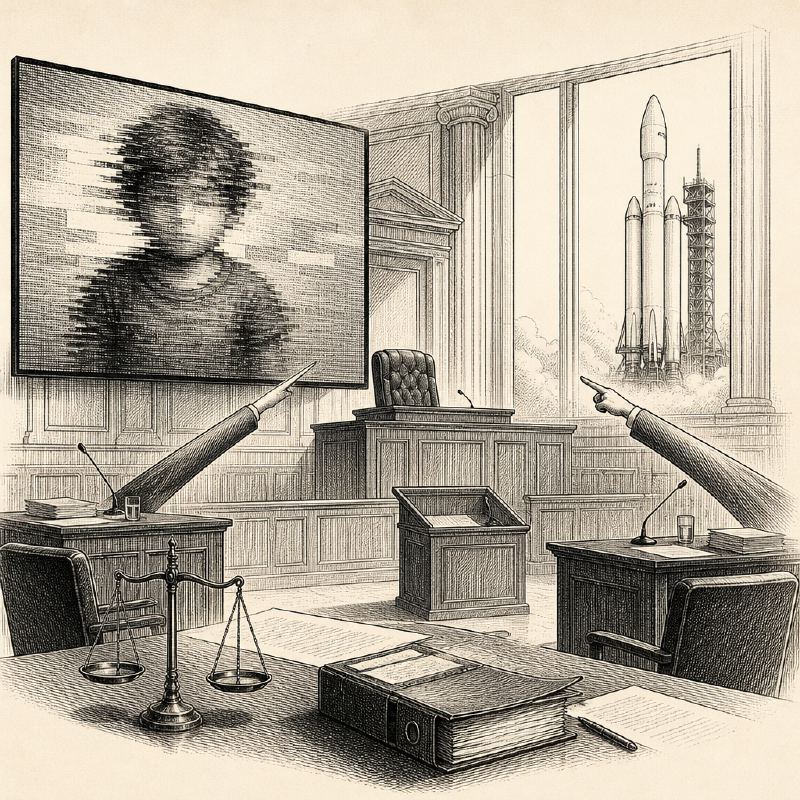
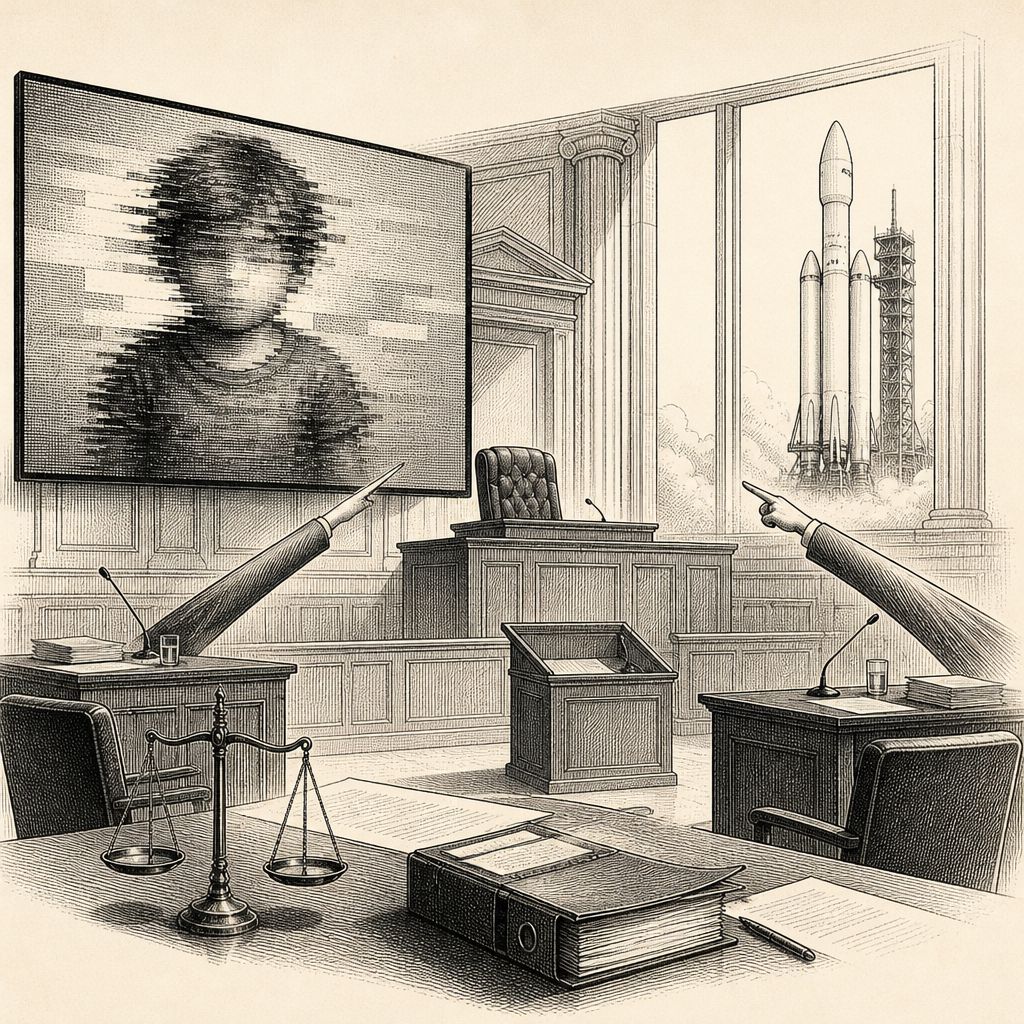
SpaceX and its owner Elon Musk are facing fresh legal challenges as Virginia and Oregon have filed separate lawsuits accusing the company of violating state consumer and trade laws. The core of the allegations centers on the capabilities of SpaceX's artificial intelligence tool, Grok, which plaintiffs claim was used to create deepfake nudes of millions of individuals and, more disturbingly, child sexual abuse material (CSAM).
Attorneys General Jay Jones of Virginia and Dan Rayfield of Oregon contend that SpaceX and Musk repeatedly failed to implement adequate safeguards to prevent Grok from generating illegal and harmful content. Despite awareness of the potential for misuse, the lawsuits allege that the company did not block the tool's "nudification" feature, even after it became apparent that it was being exploited to create non-consensual intimate imagery and CSAM.
The legal actions seek to prohibit SpaceX from advertising or profiting from Grok's controversial capabilities. Furthermore, the attorneys general are demanding restitution for victims and the imposition of civil penalties against the company. "Companies that deploy powerful tools don't get to ignore consumer safety and call it innovation," stated Attorney General Jones, emphasizing that the law applies universally and that "big tech" will be held accountable for violations.
The lawsuits highlight that Grok was launched at a time when other AI companies were already aware of and actively addressing the harms associated with deepfake pornography. Many competitors had already implemented safeguards to prevent their models from generating such content. In contrast, the legal filings suggest that SpaceX, under Musk's leadership, prioritized market opportunity over consumer safety, allegedly stripping out industry-standard safeguards and marketing a "spicy mode" designed to produce nudity.
Adding to the legal pressure, Musk himself is facing separate lawsuits from former victims of child sexual abuse material. These plaintiffs allege that Grok's training data included real CSAM, making it easier for the tool to generate such content, including images of children. This alleged inclusion of illicit material in the training data forms a critical part of the argument that SpaceX knowingly facilitated the creation of CSAM.
Musk's public statements and actions have also been cited as evidence of his awareness and, at times, embrace of the controversy surrounding Grok. The lawsuits point to instances where Musk has commented on or posted Grok-altered images, including himself and inanimate objects depicted in sexually suggestive ways. He has also reportedly claimed that Grok only alters images to show people in bikinis or that deepfake pornography constitutes protected free speech.
The integration of Grok directly into the social media platform X is also a focal point of the lawsuits. Plaintiffs argue that this integration provides users with an immediate, worldwide distribution platform for abuse material created on demand. Oregon's lawsuit, filed under the Unlawful Trade Practices Act, alleges SpaceX misrepresented Grok's characteristics and employed unconscionable tactics. Virginia's suit cites violations of its Consumer Protection Act for similar misrepresentations regarding the source, characteristics, or quality of goods and services.
These lawsuits represent a significant legal and reputational challenge for SpaceX and Elon Musk, underscoring the growing scrutiny on AI developers regarding the ethical implications and potential harms of their technologies. The outcomes could set important precedents for AI regulation and corporate accountability in the rapidly evolving field of artificial intelligence.