
SpaceX Restores Mobile Starshield Connectivity for Ukraine After Drone Mission Disruptions
Ukraine's military has regained mobile connectivity for SpaceX's Starshield satellite service, following a brief but disruptive outage that impacted drone operations.
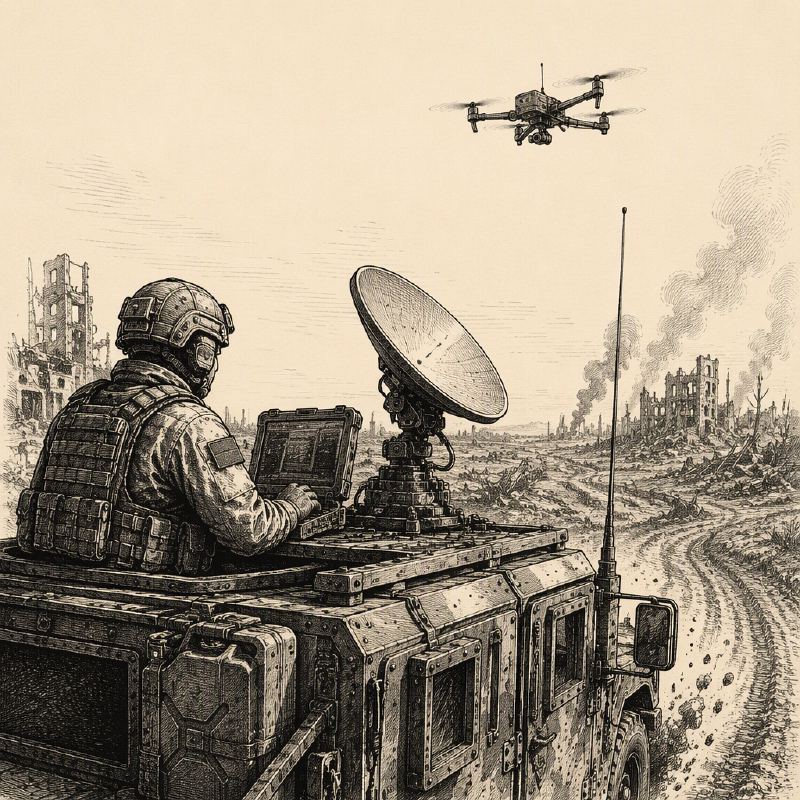
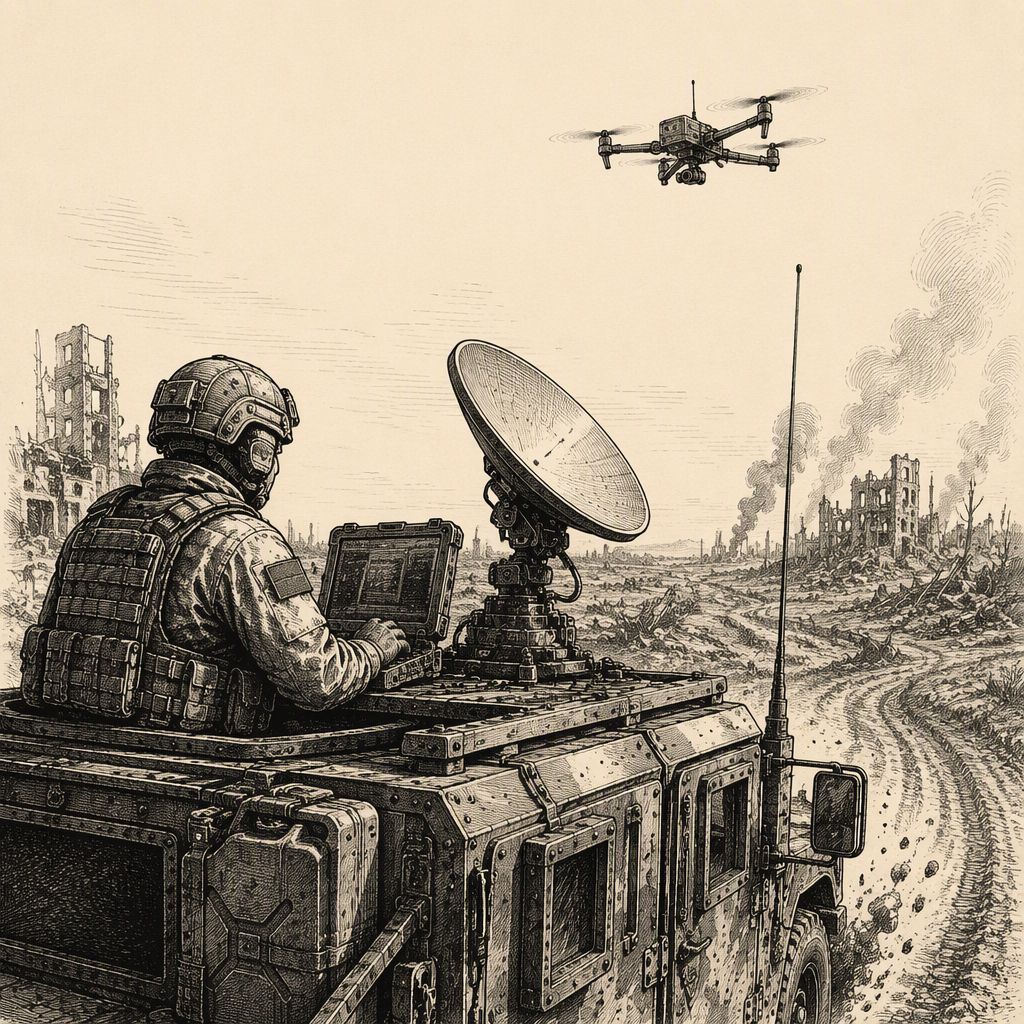
Ukraine's military can once again utilize SpaceX's Starshield satellite service while on the move, according to a Ukrainian Defense Ministry source. This restoration comes after sudden restrictions imposed on the service disrupted critical drone missions along the front lines, causing significant operational challenges.
Starshield, a specialized, military-grade version of SpaceX's Starlink internet service, is crucial for maintaining connectivity for Ukrainian units. Its terminals are mounted on vehicles and drones, enabling communication as forces maneuver. The abrupt imposition of new restrictions on Tuesday night limited the speed at which a terminal could move while maintaining a stable connection. This led to the cancellation of combat missions and complicated vital drone operations, logistics, and reconnaissance efforts.
"Starshield connectivity while in motion has now been restored and remains operational," the anonymous source stated, relaying feedback from military units. While the formal speed limit remained in place, the ministry reported improvements in connectivity at speeds up to 160 kilometers per hour (approximately 100 mph) following the restoration.
The exact cause of the restrictions remains unclear, and officials are reportedly in discussions with SpaceX and its partners to ascertain the reasons. Elon Musk, responding to former Ukrainian Defense Minister Mykhailo Fedorov's call to lift the speed limits, stated that Starshield systems are owned and controlled by the U.S. government, with the U.S. military and the President ultimately deciding on usage limitations. Musk differentiated Starshield from the commercial Starlink service, emphasizing that Starlink is intended for civilian or defensive purposes and not offensive military operations.
These restrictions have already demonstrated tangible consequences on the battlefield. Ukrainian drones, heavily reliant on satellite connectivity for navigation and control, experienced communication interruptions. Units in the Huliaipole sector of southern Ukraine reported connection losses lasting between 10 to 20 seconds even at speeds below the established threshold. While drones continued to fly, these interruptions made them more difficult to control and increased their vulnerability to Russian countermeasures.
The issue was particularly acute for medium-range strike drones, which require high speeds during takeoff. Unstable communications under the new conditions threatened the ability to launch these drones or execute their intended missions. At least one drone unit was forced to cancel missions due to these connectivity problems. Military technology experts noted that the restrictions could also hinder Ukraine's ability to intercept Russian drones, which rely on Starlink for effective countermeasures against high-speed threats.
The disruption occurred amidst strained relations between Kyiv and Washington, following disagreements over Ukrainian strikes on Russian oil infrastructure and a reported diesel trade agreement between the U.S. and Moscow. Ukrainian President Zelensky expressed a sense of betrayal by the U.S. administration over the restrictions, suggesting that both SpaceX and the United States were aware of the implications, which he believes could lead to further casualties.
Starlink has been an indispensable technology for Ukraine's military communications since the outset of Russia's full-scale invasion in 2022. SpaceX has provided thousands of terminals, significantly aiding Ukraine in restoring communications infrastructure damaged by Russian attacks. However, the relationship between Musk and Kyiv has faced complexities, with Musk previously voicing concerns over service costs and the potential for offensive military use.