
Smishing Campaign Leverages JWR Kit for Real-Time Keystroke Monitoring
A sophisticated smishing campaign is using the JWR phishing kit to capture victim keystrokes in real-time, including sensitive payment details and one-time passcodes, facilitating account takeover and fraud.
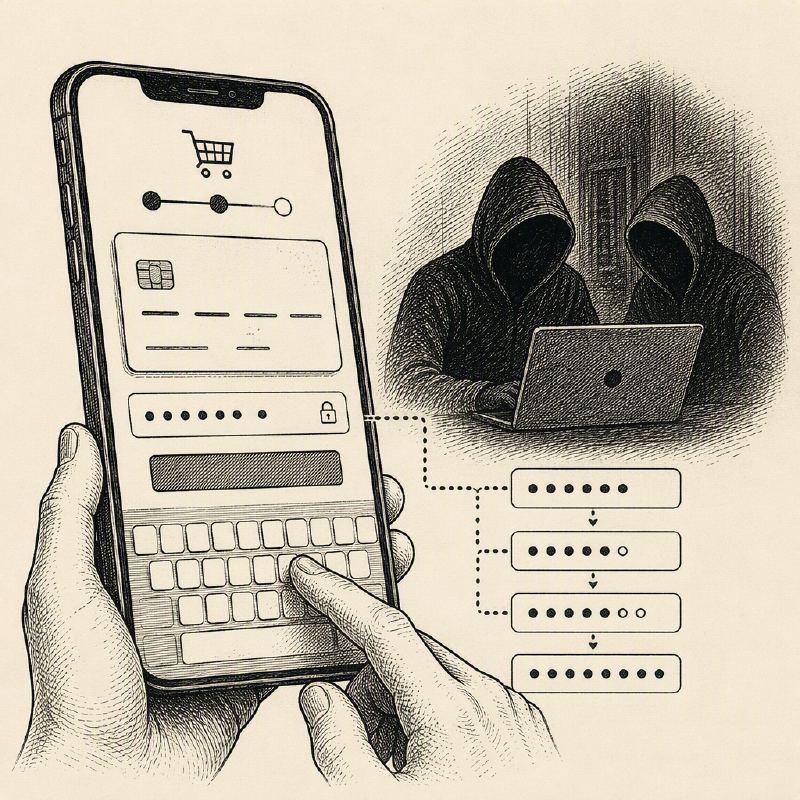
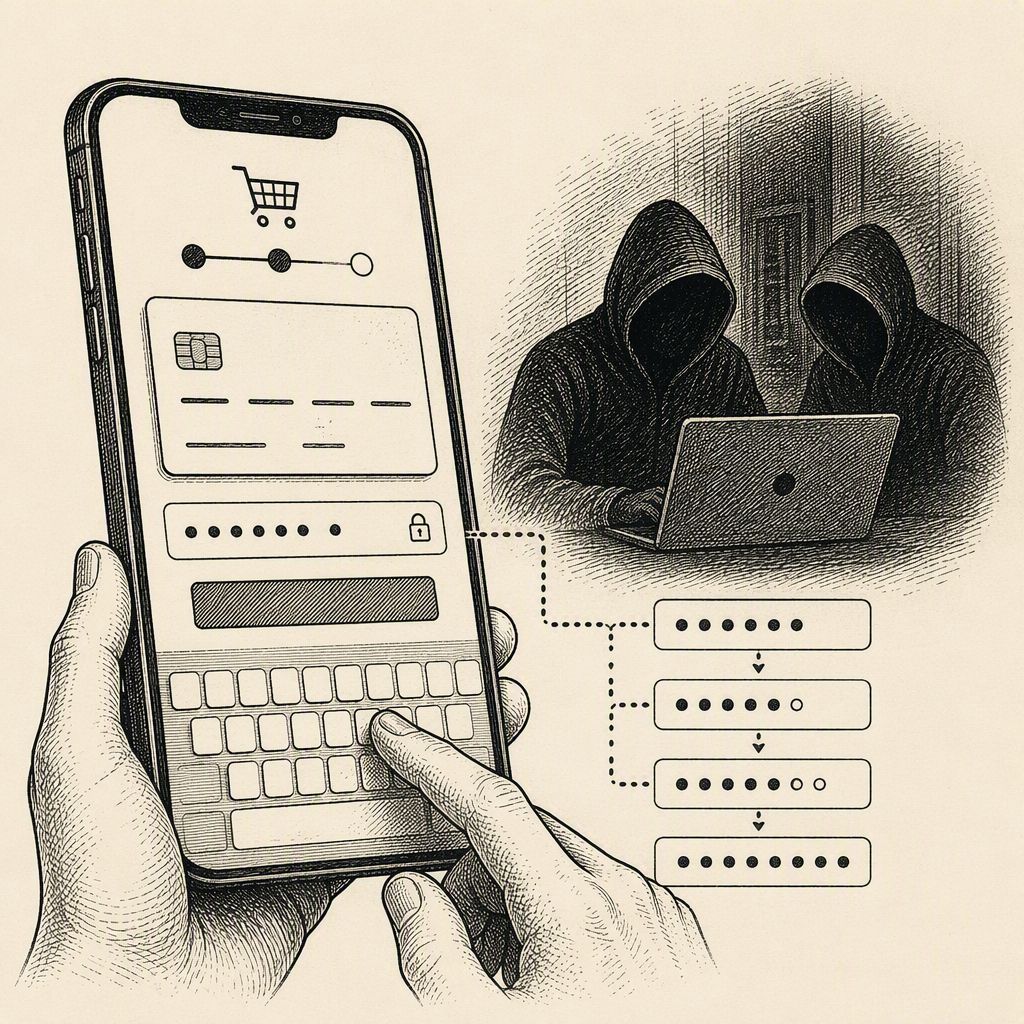
A new and alarming smishing campaign is actively targeting individuals by impersonating official services through SMS messages, luring them into temporary phishing sites designed to capture sensitive information as it's typed. The operation utilizes the JWR phishing kit, which enables attackers to monitor victim keystrokes live, including credit card numbers, security codes, and one-time passcodes (OTPs), significantly increasing the success rate of fraud and account takeovers.
Attackers initiate the campaign with urgent messages claiming a small fee is due, a delivery needs confirmation, or an account requires verification. These messages contain shortened links that redirect unsuspecting users to convincing phishing pages. The JWR kit is particularly insidious because it allows operators to adapt these pages in real-time while a victim is still engaged, moving beyond static credential harvesting to a dynamic fraud session.
Group-IB, a cybersecurity firm, has identified the JWR phishing kit and linked this activity to an operator cluster they track as 'Outsider' within the broader 'Smishing Triad' ecosystem. The campaign's effectiveness is amplified by its use of disposable infrastructure and a live operator console, which provides fraudsters with immediate visibility into the data being entered by victims.
The JWR kit's functionality extends to collecting a wide range of sensitive data, including identity information, payment card details, bank credentials, and verification codes. This comprehensive data capture provides attackers with the necessary components to perform account takeovers and initiate unauthorized financial transactions. Furthermore, the campaign employs rotating domains, making traditional blocklist-based defenses less effective.
Technically, the JWR kit establishes a persistent WebSocket connection to transmit form data updates as fields are populated. This creates a live fraud console where card numbers, security codes, and OTPs can be transmitted to the fraud team before the victim even clicks 'submit.' If the WebSocket connection fails, the kit falls back to repeated web requests every two seconds. While the traffic is encrypted using AES-256-CTR, the encryption key is included in each message, offering a layer of obfuscation against casual inspection.
Operators using the JWR kit can guide victims through up to 32 different page variations or in-page modifications. After capturing a card number, they might prompt for an SMS code, a PIN, request a different card after a simulated decline, or even initiate a QR code verification step. The campaign leverages common social engineering tactics, such as fake toll notices or parcel delivery warnings, to create a sense of urgency and pressure victims into complying.
Security researchers highlight that JWR is a reusable phishing engine rather than a fixed website. The same underlying code can be skinned with different brand logos and targeted at various countries, while operators rapidly rotate short links and domains. The kit's markers for WordPress and Shopify integrations suggest its potential deployment beyond standalone phishing pages to compromised or malicious web components. This reusability, however, also offers defenders a way to recognize future campaigns by monitoring for recurring storage keys, page names, endpoint patterns, and distinctive WebSocket tokens.
For individuals, the safest approach is to avoid clicking links in unexpected text messages and instead navigate directly to official websites or apps. Sharing payment data or codes received via SMS through a link in a text message should always be avoided. Those who have submitted information should immediately contact their bank, change any reused passwords, and monitor their accounts for suspicious activity. Organizations are advised to monitor for new phishing pages matching the kit's signatures, watch for brand abuse in SMS campaigns, and maintain rapid reporting and takedown procedures.